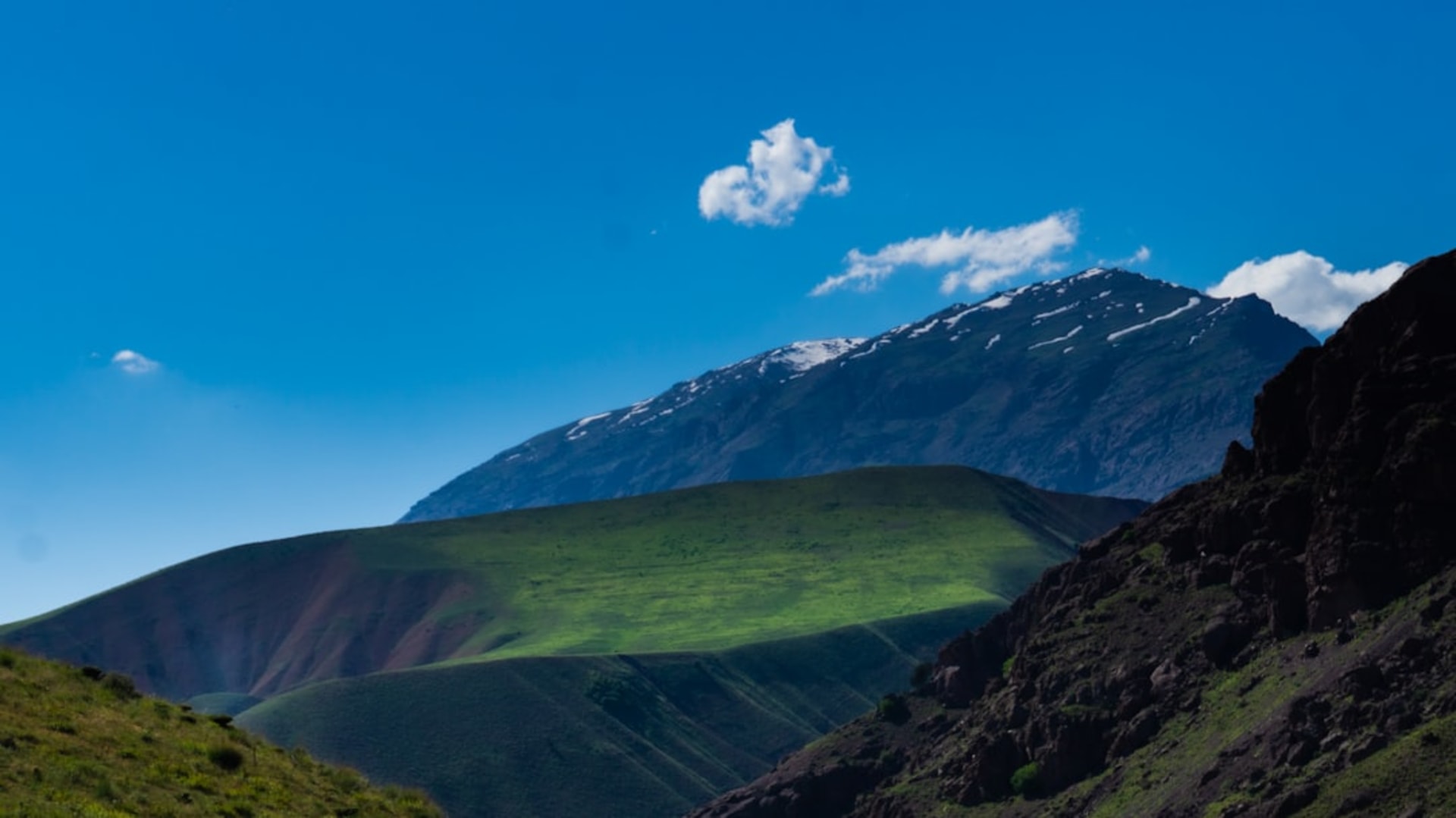
A village built in steps up a cliff face in the Alborz foothills, where every roof doubles as the courtyard of the house above it, and the whole town is closed to cars.
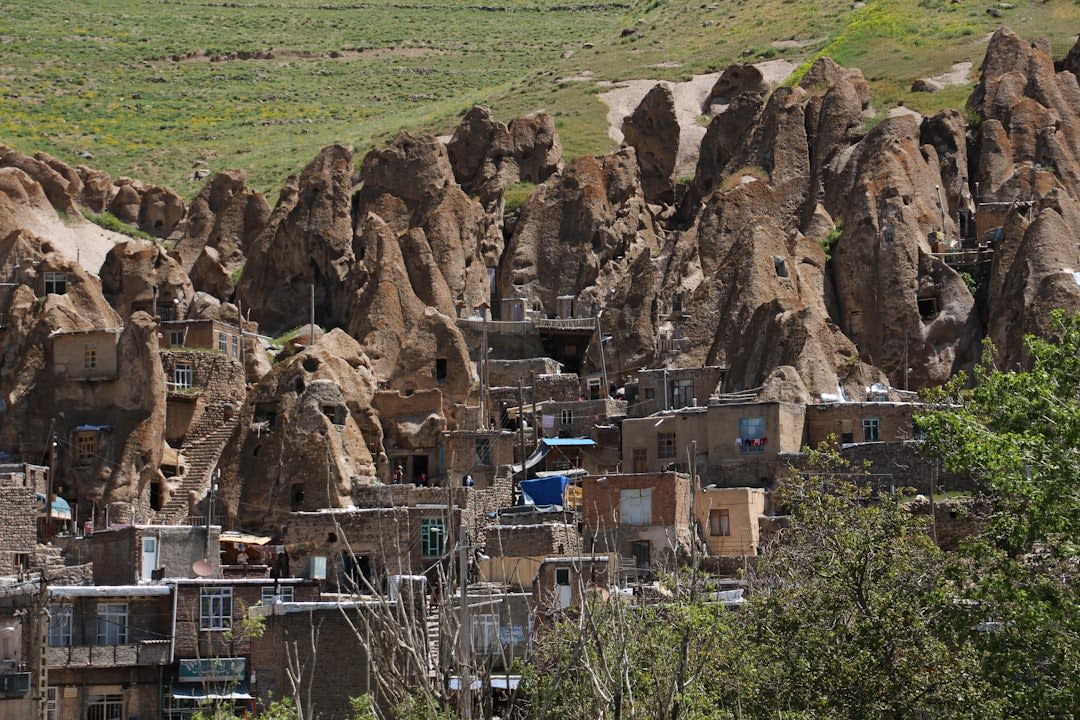
The first thing that breaks your brain about Masuleh is the roofs. You arrive expecting a village with streets running between houses, the way villages work everywhere else, and instead you find a settlement built directly up the face of a hill, terrace over terrace, so that the flat roof of one house is the paved courtyard and front path of the house immediately above it. There is no vehicle access inside the village at all — cars stop at the edge and everything after that is stairs, ramps, and covered passages. I stood at the entrance for a full minute just recalibrating what I was looking at.
Built for the Slope, Not Against It
Masuleh’s houses are built from wood and a local yellowish clay-and-stone render that the whole village is painted in, a deliberate uniform ochre that photographs stunningly against the deep green of the surrounding forest. The design isn’t decorative — it’s a direct answer to a steep, wet, landslide-prone slope with almost no flat ground to build on. Walking up through the town means constantly choosing between narrow covered alleys, open stone steps, and paths that run straight across someone’s roof with no railing and, apparently, no expectation that you’d think twice about it.
The Bazaar and the Crowds
The covered bazaar cuts through the middle of the village, roofed in wood and selling local honey, walnuts, dried herbs, and the woven wool socks Gilan is known for. It is also, by early afternoon on a Friday, absolutely packed — Masuleh is one of the most popular domestic weekend trips out of Rasht and Tehran both, and Lia and I got swept along in a slow-moving current of families taking photos on every landing. We came back at seven the next morning specifically to see it empty, and it was a completely different place: mist still sitting in the valley below, a few shopkeepers sweeping their thresholds, the sound of a rooster somewhere below us that seemed to come from inside the hillside itself.
Above the Village
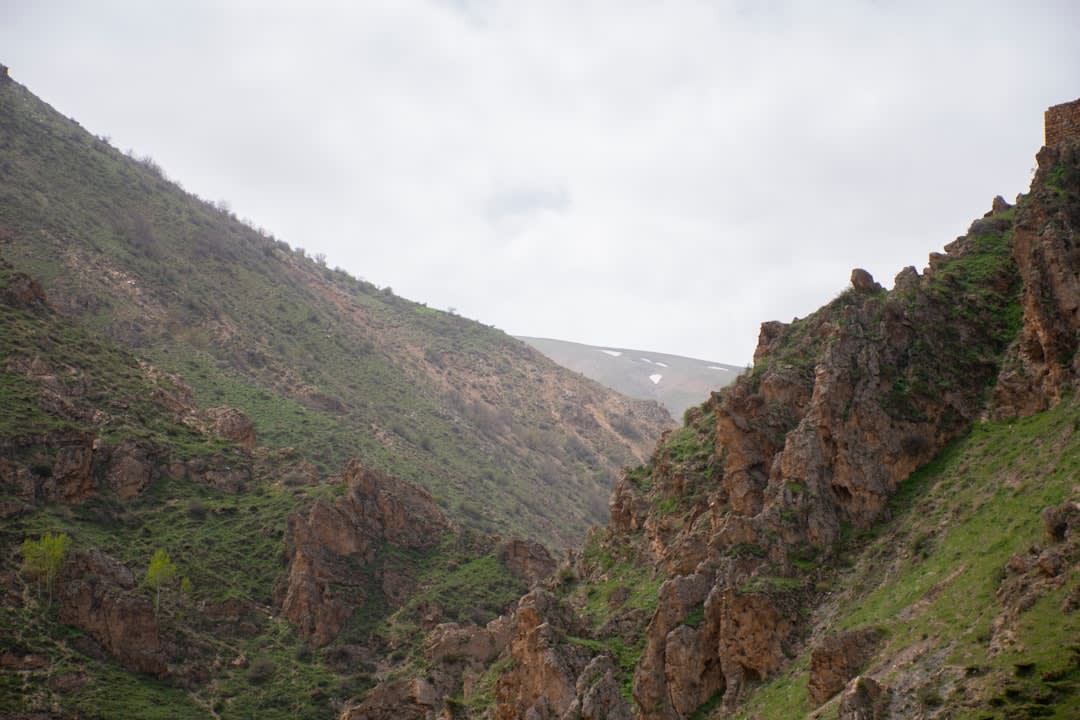
A path continues up past the last houses into the forest proper, climbing toward viewpoints that look back down over the entire stacked settlement at once — which is the photo everyone comes for, and which is genuinely worth the twenty extra minutes of climbing. Further up still, waterfalls and forest trails wind toward smaller, quieter hamlets that see almost none of the weekend crowd. We didn’t have time to push that far, and it’s the thing I’d go back specifically to do.
When to go: Weekday mornings, any season the road is open — arrive by 8am to see the village before the day-trip buses from Rasht do. Spring and early autumn keep the surrounding forest at its greenest without winter’s snow closing the higher paths.
Keep exploring
More from Iran
 iran
iran Meybod
A desert town where a mud-brick castle, an ancient ice house, and a working pigeon tower sit within walking distance of each other.
Explore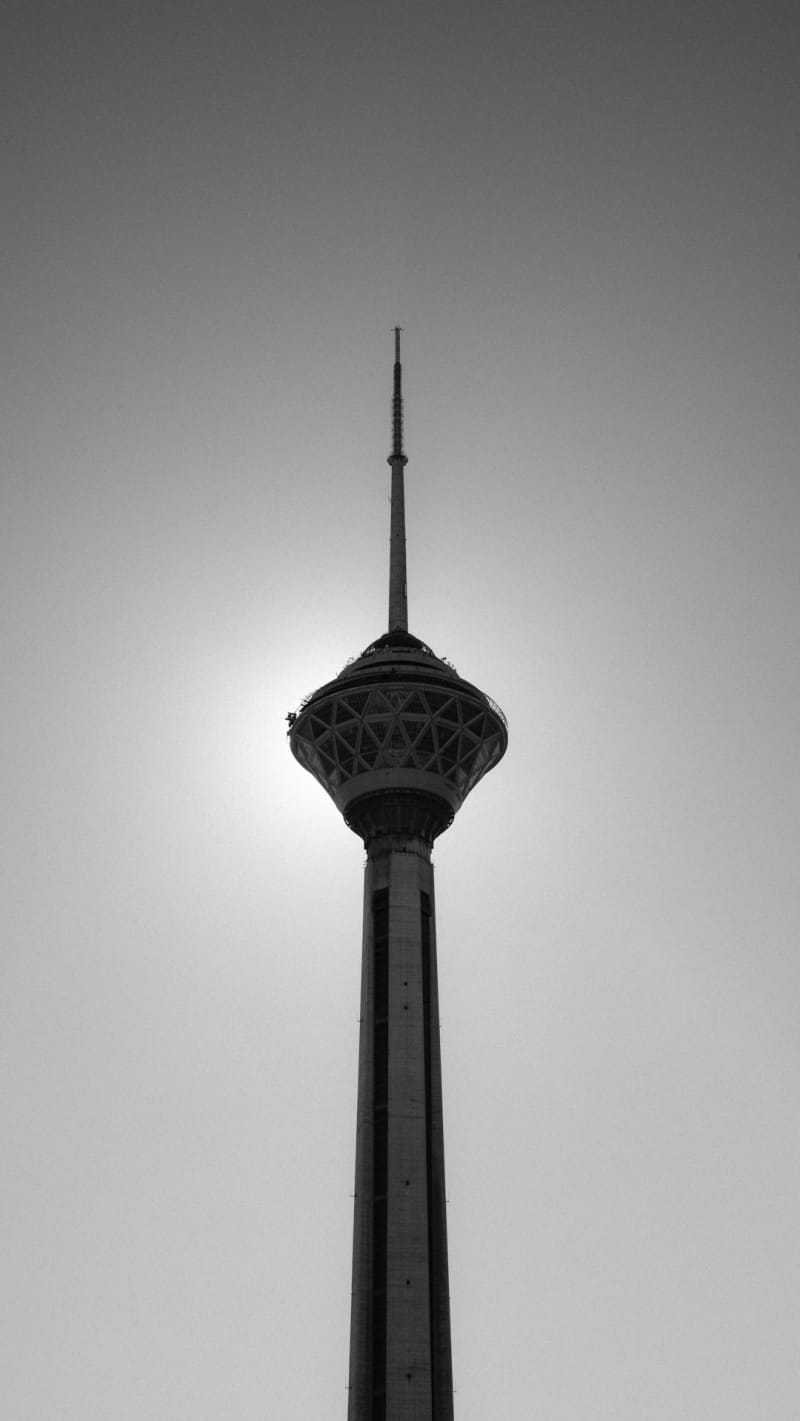 iran
iran Milad Tower
Tehran's 435-meter needle, where a revolving restaurant and an observation deck give you the one view that makes the city's scale finally make sense.
Explore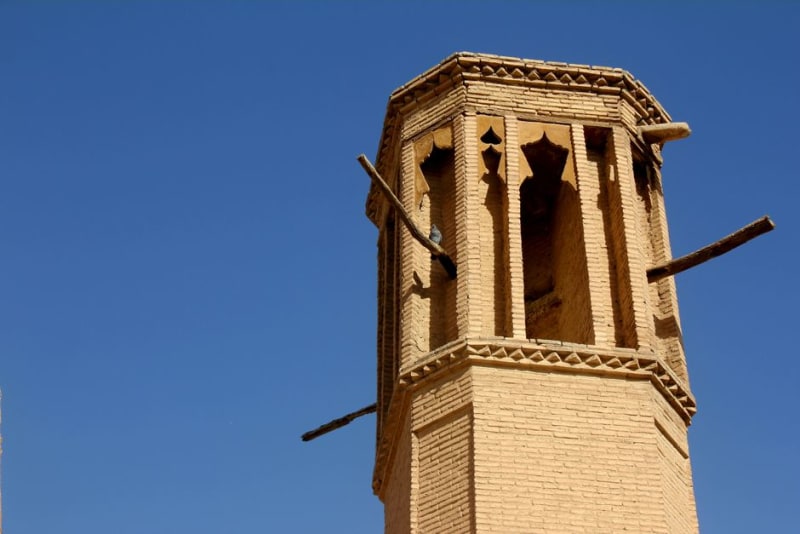 iran
iran Minab
A river-delta town near Bandar Abbas famous for its Thursday market, where Bandari women in colorful masks and embroidered dress sell spices, textiles, and livestock.
Explore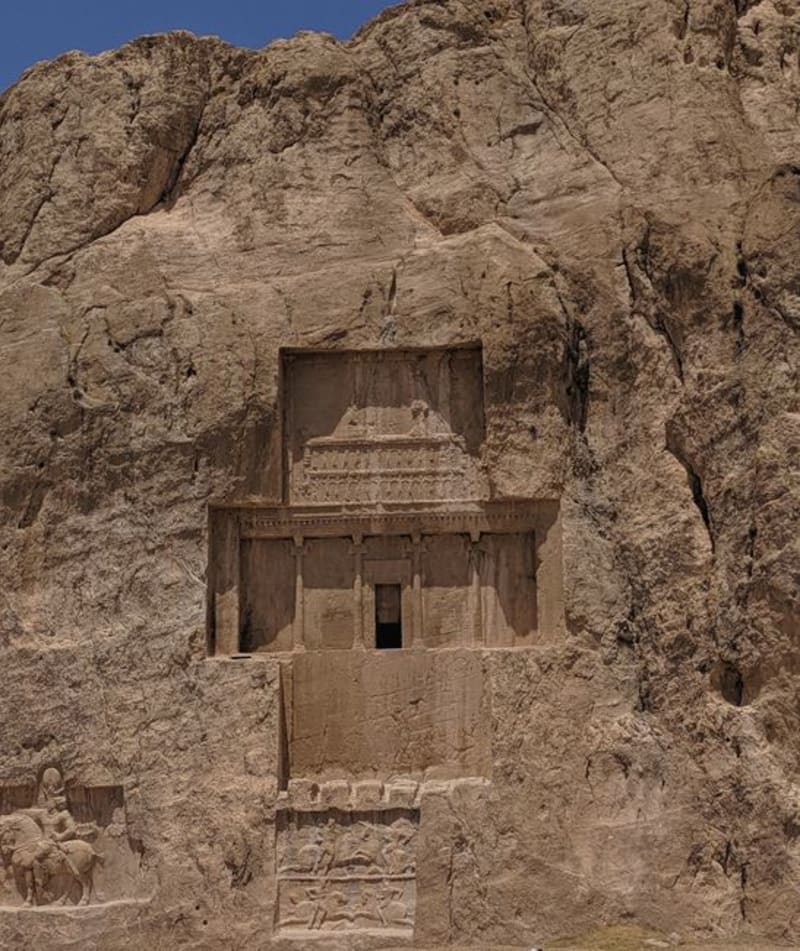 iran
iran Naqsh-e Rajab
A tiny, almost visitor-free cliffside gallery of Sassanian royal reliefs, five minutes from Naqsh-e Rustam and utterly ignored by comparison.
Explore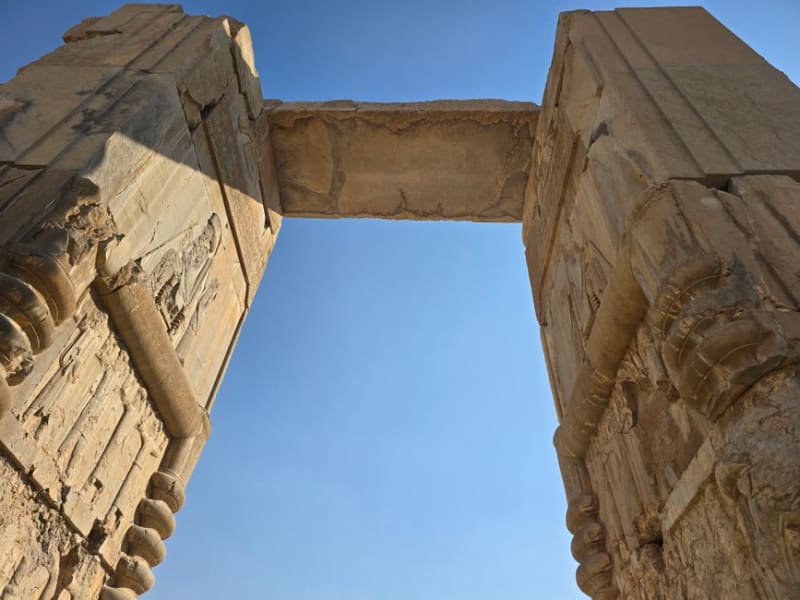 iran
iran Naqsh-e Rustam
Four Achaemenid kings buried in a cliff face, carved twenty meters up — including Darius the Great, a short drive from Persepolis.
Explore iran
iran Narenjestan-e Qavam
A merchant family's Qajar-era mansion and orange garden, decorated with mirror mosaics and a genuinely surprising basement bar.
Explore