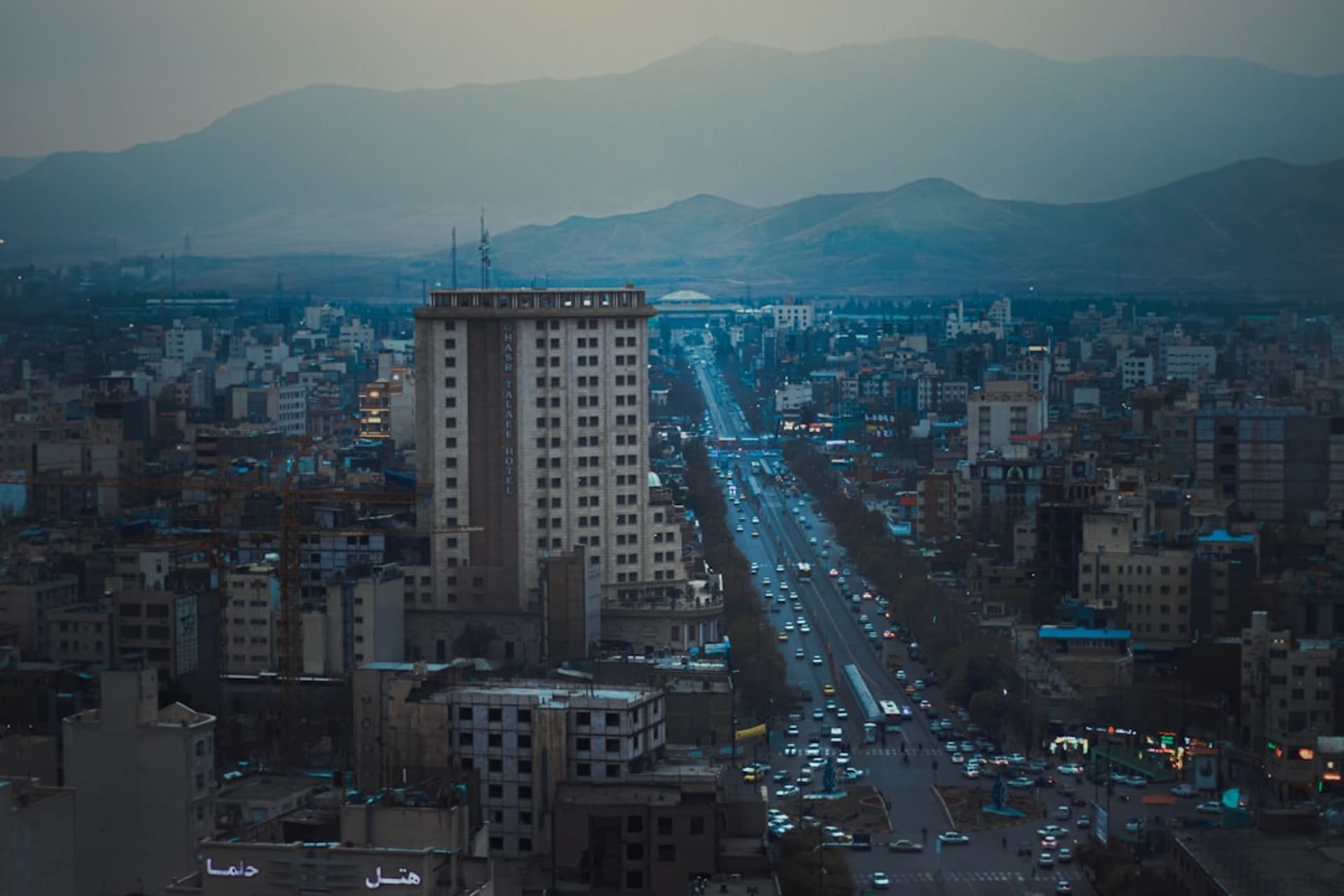
Mashhad
"Twenty million pilgrims a year come here. I came with none of their faith and left with some sense of why."
Iran's second-largest city and its greatest pilgrimage destination, built around the shrine of Imam Reza and pulling in more annual visitors than Mecca.
Mashhad sits far in Iran’s northeast, close enough to the Turkmenistan and Afghanistan borders that it has a genuinely different feel from the cities of the central plateau, and its entire identity orbits a single site: the shrine complex of Imam Reza, the eighth Shia Imam, martyred here in 818 CE. Somewhere between 20 and 30 million pilgrims visit annually, which makes it one of the most-visited religious sites on the planet, a fact that surprised me because it barely registers in Western travel conversation about Iran at all.
The Shrine at Scale
Nothing prepared me for the sheer size of the Imam Reza complex — it functions almost as its own walled city within Mashhad, encompassing courtyards, mosques, museums, libraries, and dining halls that can apparently feed tens of thousands of pilgrims a day for free. The Goharshad Mosque within the complex, built in the early fifteenth century under Timurid patronage, is a masterpiece in its own right that would anchor any other city and here functions almost as a side note. I entered at night, when the courtyards are lit gold and the golden dome catches every light source in the complex, and the volume of people moving quietly and purposefully through the space was unlike anything else I saw in the country.

Saffron, Turquoise, and the Bazaar
Beyond the shrine, Mashhad is the commercial center of Khorasan province and a major hub for two things Iran does better than anywhere: saffron, most of which is grown in the surrounding region, and turquoise, historically mined nearby at Nishapur. The Grand Bazaar near the shrine complex has entire sections devoted to each, and I spent an unreasonable amount of time comparing saffron threads with a merchant who explained grading by color and aroma with the seriousness of a sommelier discussing vintage. Lia bought a small turquoise ring that the seller insisted, with total conviction, would change color if she were ever unfaithful — a piece of local folklore he delivered without a trace of irony.
Getting Oriented
Mashhad has excellent domestic flight connections and a major train line from Tehran, plus solid mid-range and high-end hotel options near the shrine, which is the obvious center of gravity for any visit. Modest dress is expected throughout the city, more so near the shrine complex.
When to go: Spring and early autumn for mild weather. Avoid the days immediately around major Shia religious anniversaries unless you specifically want the pilgrimage crowds at their peak — the shrine complex can become extremely dense during those periods.