Kharg Island
"I needed three separate permits to get here, and I still don't think most Iranians have been."
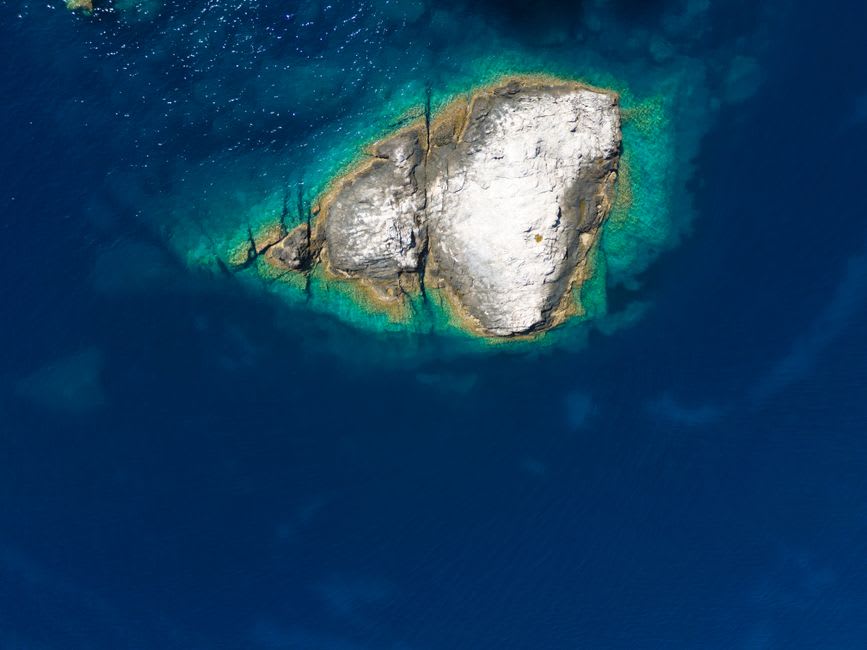
A small, heavily guarded oil terminal island in the northern Persian Gulf that also holds Sassanid rock tombs and a sunken Portuguese-era church.
Kharg is not an easy place to visit, and that’s precisely why I wanted to. It’s Iran’s main oil export terminal, a small island roughly twenty-five kilometers off Bushehr that moves a large share of the country’s crude, which means it’s under tight military oversight and requires permits arranged well in advance through a local agency in Bushehr. I spent nearly two weeks on paperwork before a seat opened on the supply boat that also carries the handful of visitors allowed each month.
The Sassanid Rock Tombs
The reason to endure the bureaucracy is a set of ancient rock-cut tombs on the island’s northern side, carved directly into coral limestone during the Sassanid era, roughly 1,500 years ago, when Kharg served as an important stop for trade heading toward the Persian mainland. The tombs are cut in a chamber style unlike anything I saw at Persepolis or elsewhere on the plateau — deep niches, some still bearing faint carved relief, cool and dim inside despite the glare outside. Our government-assigned guide, required for the whole visit, admitted he found the tombs more affecting than the oil facility he otherwise spent his days managing logistics around.
The Portuguese Church and War Scars
Near the island’s small town, the ruins of a Portuguese-built church from the sixteenth century sit half-collapsed, a leftover of the same colonial contest for the Gulf that shaped Hormuz and Bandar Abbas. Kharg also carries visible damage from the Iran-Iraq War — it was bombed repeatedly through the 1980s due to its oil infrastructure, and rusted equipment and cratered ground near the old facilities are left largely as they were, unrestored, a quiet monument nobody has bothered to formalize.
An Island Most Iranians Haven’t Seen
What struck me most was talking to the boat crew, who were from Bushehr and had made this crossing hundreds of times for work but had never once walked up to see the tombs themselves. Kharg exists almost entirely as infrastructure in the national imagination — an oil terminal, a name in shipping reports — and the ancient layer sitting quietly on top of it is invisible to nearly everyone except the small trickle of visitors with the patience for the permits.
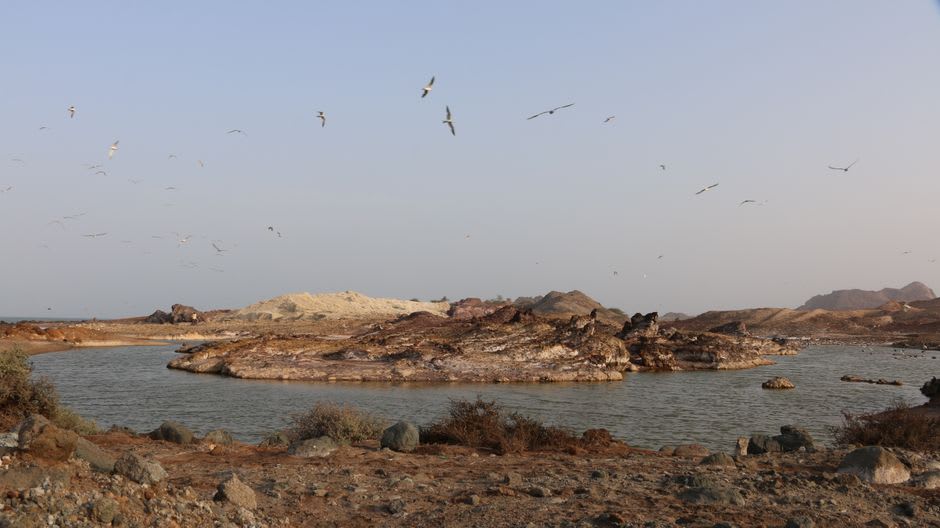
When to go: November through March, and only after arranging permits through a Bushehr-based agency at least a month ahead. Access can be denied or delayed with no notice, so build slack into any itinerary that includes Kharg.
Keep exploring
More from Iran
 iran
iran Khorramabad
The Lorestan capital, where a Sassanid fortress rises from a lake island and waterfalls cut straight through the edge of town.
Explore iran
iran Khoy
A weathered border-region town with a crumbling brick citadel, a bazaar that feels a century behind Tabriz's, and the kind of unhurried hospitality that only shows up once the tour buses stop coming.
Explore iran
iran Kish Island
Iran's duty-free resort island, where Tehranis come to relax on the beach and coral reefs sit just offshore from shopping malls.
Explore iran
iran Lahijan
Iran's tea capital, where hillsides of trimmed green tea bushes surround a lakeside town that has been growing and processing the country's entire domestic tea supply since the 1900s.
Explore iran
iran Larak Island
A tiny, barely inhabited island in the Strait of Hormuz where fishing families outnumber visitors and cargo ships pass close enough to hear.
Explore iran
iran Maku
A mountain town squeezed into a narrow gorge near the Turkish border, home to a Qajar-era palace built directly into a cliff face and some of the most dramatic scenery in all of northwestern Iran.
Explore