Kandovan
"People have lived inside these rock cones since before the Mongols arrived. Some still do."
A troglodyte village of volcanic rock cones near Tabriz, still inhabited after seven centuries, that looks like Cappadocia's quieter, less-discovered cousin.
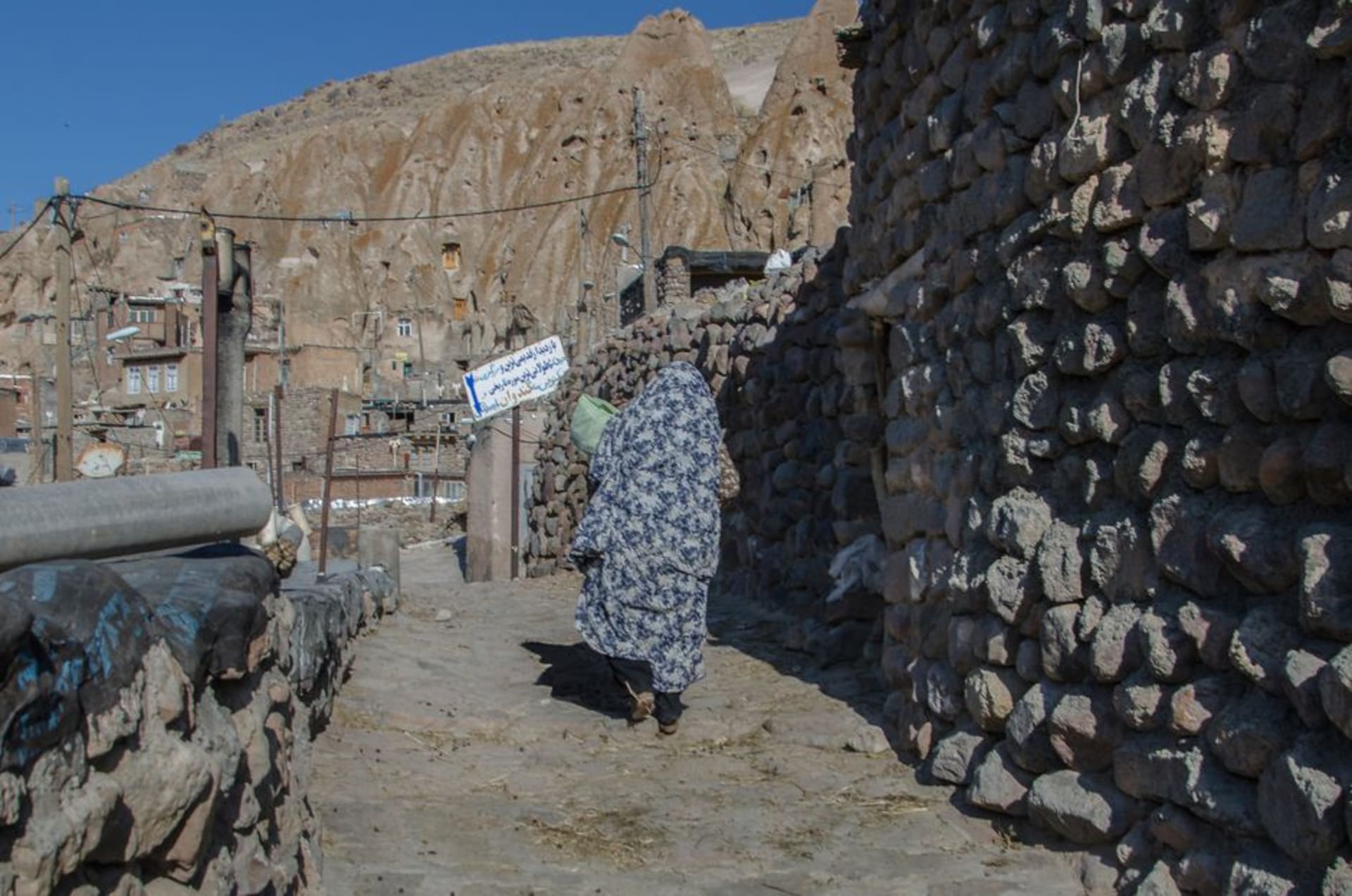
Kandovan sits about an hour’s drive from Tabriz, tucked into a valley of volcanic tuff cones that erosion has sculpted into shapes so improbable I initially assumed the photos I’d seen were digitally exaggerated. They weren’t. The village’s homes — some estimated to be seven hundred years old — are carved directly into these cone formations, and a portion of them remain genuinely inhabited today, not preserved as a museum piece but lived in, with satellite dishes bolted to volcanic rock and laundry lines strung between ancient chimneys.
Living Inside the Rock
Local tradition holds that Kandovan was settled by people fleeing a Mongol invasion in the thirteenth century, who found the soft volcanic tuff easy to hollow out and defensible against raiders. Whatever the precise origin, the result is a village where houses, called “karan,” are carved several stories into individual cones, with the interior rock providing natural insulation — cool in summer, retaining warmth in winter. I was invited into one family’s home partway up the hillside, where a grandmother served walnuts and dried mulberries in a room with curved rock walls that felt more like a cave dwelling than a house, except for the television and the family photographs on a rock shelf.
Walking the Village
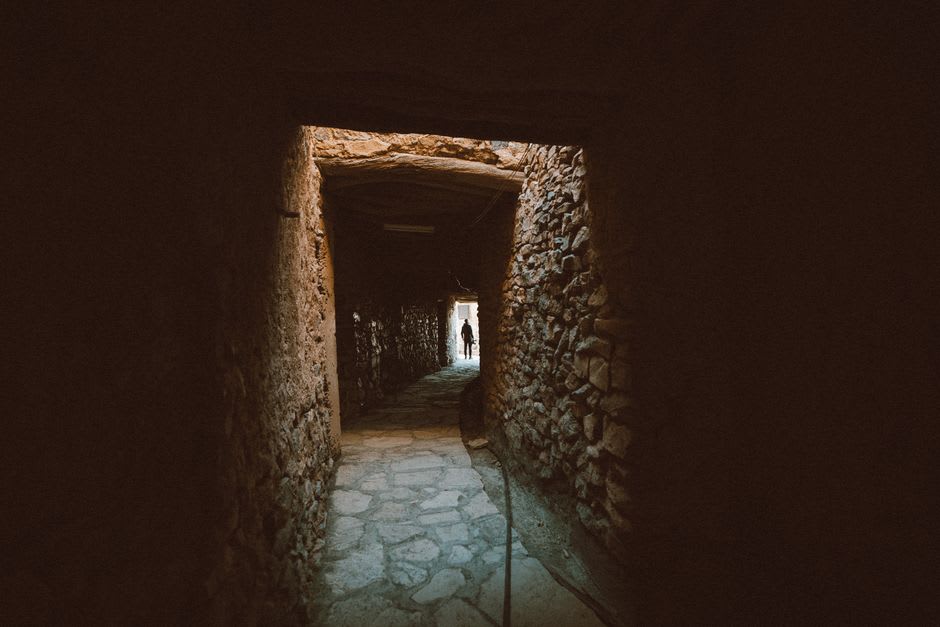
The village is compact enough to explore fully on foot in a few hours, up steep stone paths between the cones, past small shops selling dried fruit, honey, and local dairy, with a stream running through the valley floor providing a constant backdrong of running water. In late spring, wildflowers cover the surrounding hillsides, and the cones themselves — grey, brown, ochre depending on mineral content and light — take on a completely different character than in the flat midday sun. Lia spent most of the afternoon photographing chimney smoke curling out of what looked, from certain angles, like solid rock.
Getting Oriented
Kandovan makes an easy half-day or full-day trip from Tabriz by taxi or organized tour; there is limited but genuine guesthouse accommodation within some of the rock homes themselves if you want to stay overnight, which I’d recommend for the difference between the village at midday crowds and at dawn.
When to go: Late spring through early autumn. Winters bring snow and the mountain roads can be difficult; May and June offer wildflowers and the most comfortable walking conditions on the steep paths.