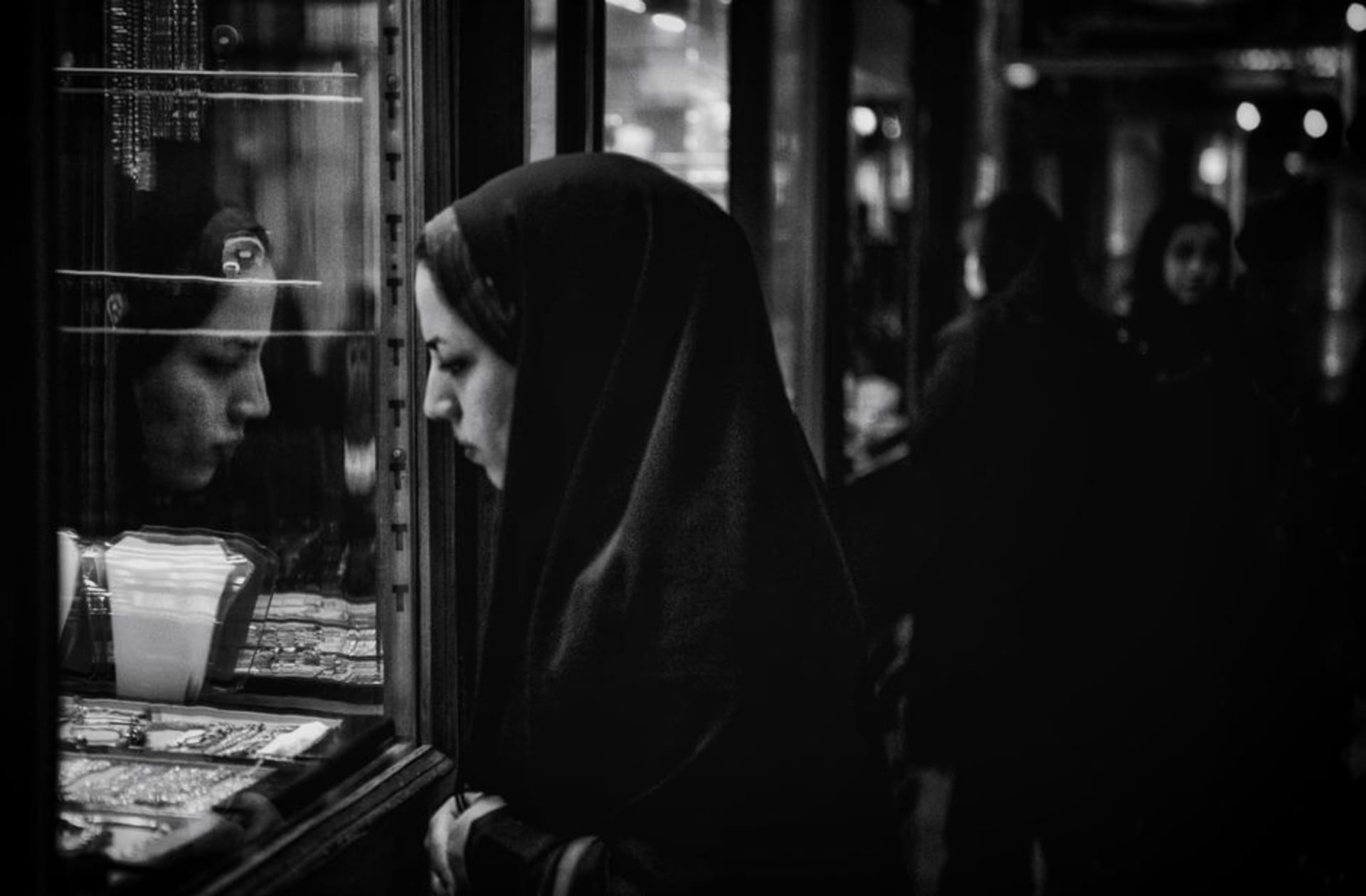
National Jewelry Treasury
"I've seen crown jewels in three countries. Nothing prepared me for a globe made of emeralds."
A basement vault beneath Iran's central bank holding one of the largest jewel collections on Earth, including a pink diamond the size of a walnut and a globe made of solid gemstones.
The National Jewelry Treasury is housed, unglamorously, in the basement vault of Iran’s Central Bank on Ferdowsi Street, behind security procedures involving multiple ID checks and a strict no-photography policy that had me putting my phone away before I’d even seen a single case. That mundane approach makes what’s inside land even harder. This is one of the largest jewel collections in the world, assembled over centuries by Safavid, Afsharid, Qajar, and Pahlavi rulers, and it is genuinely difficult to process at the scale it’s displayed.
The Peacock Throne and the Darya-ye Noor
The Naderi Throne — often called the Peacock Throne, though the original of that name was looted by Nader Shah from India and later lost — is encrusted with an estimated 26,000 gems and sits under lighting designed specifically to make it look like it’s still catching candlelight from three centuries ago. Nearby, the Darya-ye Noor, the “Sea of Light,” is a pale pink diamond of roughly 182 carats, one of the largest cut diamonds on the planet and a color so rare that gemologists still debate its exact origin.
The Globe of Jewels
The single object that stopped me longest was the Globe of Jewels — a nearly 34-kilogram globe entirely covered in precious stones, with oceans rendered in emeralds and landmasses in rubies, and Iran itself picked out in diamonds. It was commissioned in the 1860s partly as a display of wealth and partly, I suspect, as a deliberate flex aimed at the European powers Qajar Iran was constantly negotiating and competing with. Lia said it looked like something out of a heist film, and she wasn’t wrong — the whole room has that quality, like the objects are too extravagant to be real and yet are sitting three feet away behind a pane of glass.
Practicalities
The Treasury keeps notoriously limited hours — open only a few afternoons a week, and subject to change without much notice — so confirm the current schedule locally before making a special trip. Security is tight and photography is banned throughout, which actually makes for a better visit: no one is fumbling with a phone, everyone is just looking.
When to go: Check current opening days before you go, since the Treasury’s schedule shifts. Weekday afternoons tend to have shorter queues than weekends. Bring a passport for the security check at the entrance.
Keep exploring
More from Iran
 iran
iran Jolfa
A quiet border town on the Aras River where Iran, Armenia, and Azerbaijan nearly touch, and where an Armenian quarter of walled gardens hints at a much larger community that vanished centuries ago.
Explore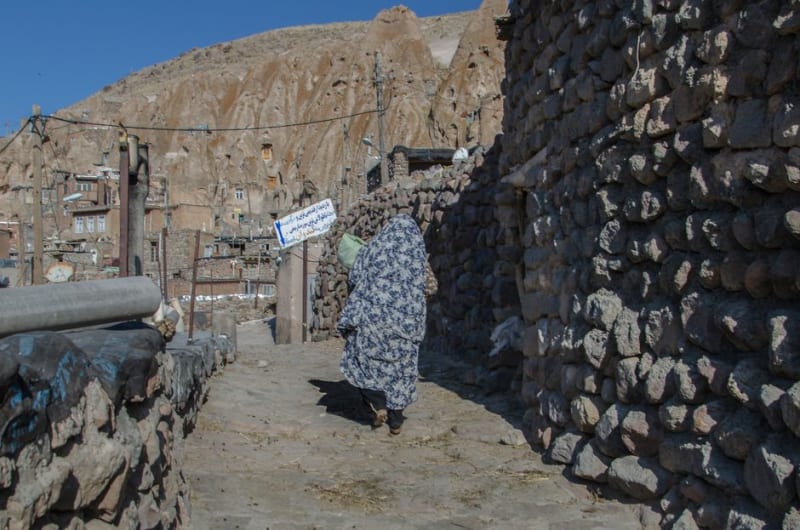 iran
iran Kandovan
A troglodyte village of volcanic rock cones near Tabriz, still inhabited after seven centuries, that looks like Cappadocia's quieter, less-discovered cousin.
Explore iran
iran Kashan
Exquisite Qajar mansions with courtyard gardens, and the world's finest rose-water distilleries in bloom each May.
Explore iran
iran Kelardasht
A high mountain valley in Mazandaran ringed by some of the Alborz's tallest peaks, centered on a turquoise lake and dotted with orchard villages that empty out entirely once the snow starts.
Explore iran
iran Kerman
A desert crossroads city with an exquisite Safavid bazaar and hammam, and the gateway to the Lut Desert's otherworldly kaluts.
Explore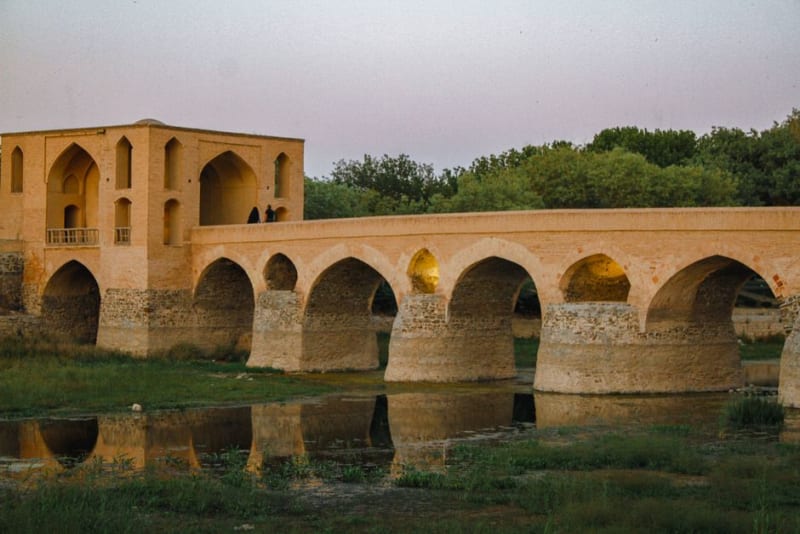 iran
iran Khaju Bridge
A two-story Safavid bridge-dam that doubles as a pavilion, a floodgate, and — after dark, when Isfahanis gather in its arches to sing — the best free concert in the country.
Explore