Fin Garden
"Paradise, it turns out, is a very specific engineering problem — and the Persians solved it eight hundred years ago."
A Persian paradise garden of turquoise pools and cypress avenues, where an assassinated statesman's bathhouse still stains the marble.
The word “paradise” comes from the old Persian pairidaeza, meaning walled garden, and the first time I understood why was standing at the entrance of Bagh-e Fin on a hundred-degree afternoon, watching water move. Not still water — moving water, channeled through turquoise-tiled runnels at a slope so gentle it looks motionless until you notice the ripple pattern shifting. Qanats bring the water down from the Karkas mountains by gravity alone, no pumps, a system built under the Safavids and still running today. I stood at the top pool where the water first surfaces and it was noticeably cooler there than ten meters away. That’s the whole trick: shade, moving water, and stone, engineered centuries before anyone had a word for air conditioning.
Cypress Avenues and the Geometry of Shade
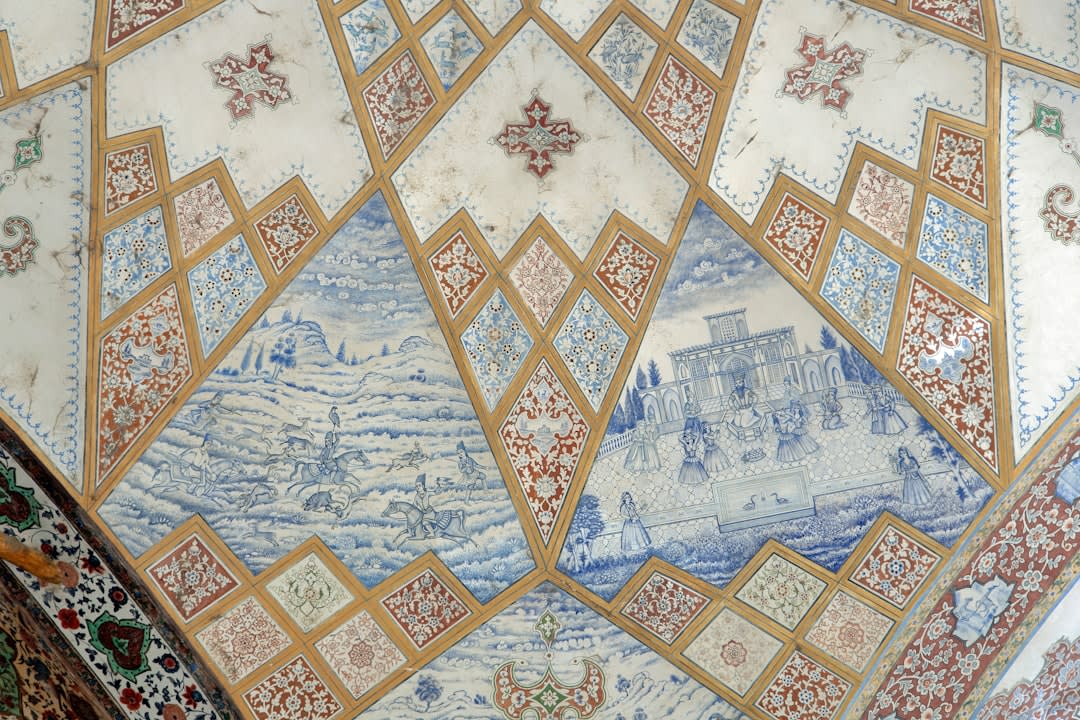
The garden is laid out on the classic Persian chahar bagh plan — four quadrants divided by water channels, meeting at a central pavilion — and walking the cypress avenues is a lesson in how deliberately the whole thing was composed. The trees are spaced to close the sky into a tunnel of green by midsummer. Lia counted the reflection of the trees doubling in the channels and said it felt like walking through a hall of mirrors built from plants. Persian miniature painters used exactly this garden as their template for depicting heaven, and once you’ve walked it, the paintings stop looking stylized and start looking like documentation.
The Bathhouse Where History Turned Violent
The garden’s darker chapter sits in the small bathhouse near the entrance, where Amir Kabir — the reformist chancellor who modernized much of nineteenth-century Iran and founded the country’s first modern school — was assassinated on the order of a jealous young shah in 1852. The room is modest, tiled in blue and white, and the guide who walked me through it spoke about Amir Kabir with real grief, as though the murder had happened last year rather than over a hundred and seventy years ago. Iranians still argue about what the country might have become had he lived. It was the first time on the trip I understood how present history stays here.
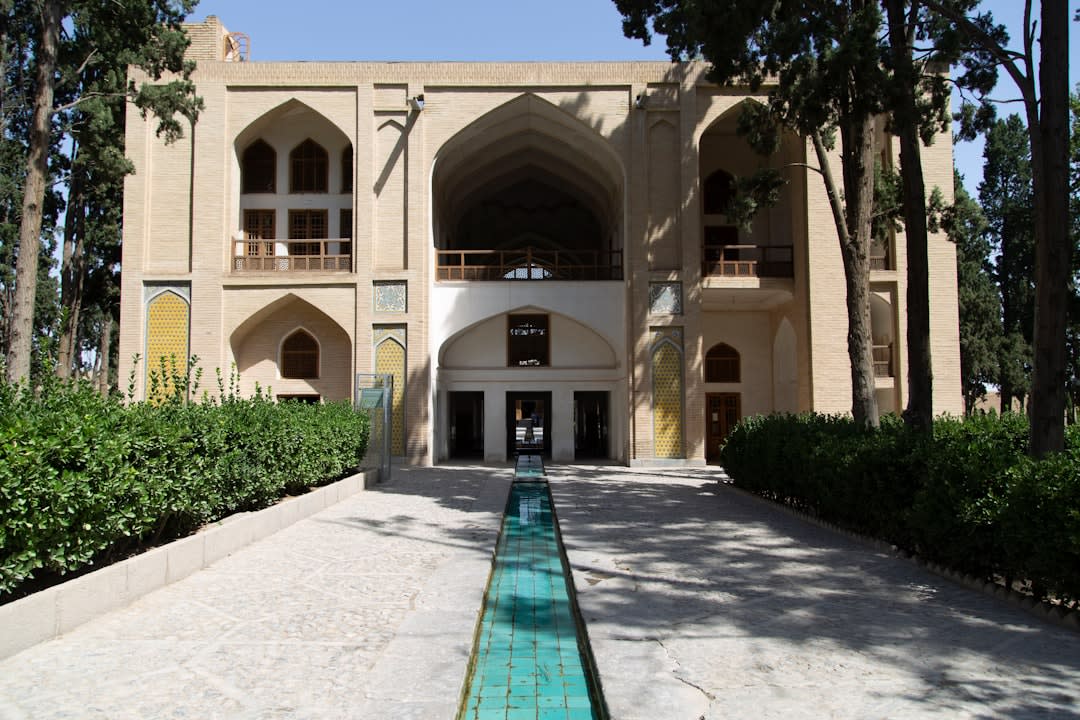
We finished the visit with tea at the garden’s edge, watching local families picnic on the grass verges outside the formal pools — the garden functions as a public park as much as a monument, and nobody seemed to mind us being there for hours.
When to go: April through June, before the plateau heat turns brutal — the shade and water channels are most rewarding when the temperature outside the walls is punishing. Early morning visits avoid the tour-bus crowds that arrive by midday.
Keep exploring
More from Iran
 iran
iran Gorgan
The gateway to Turkmen Sahra at the eastern edge of the Caspian region, where Persian, Turkmen, and steppe cultures overlap in a way found nowhere else on Iran's northern coast.
Explore iran
iran Hasht Behesht Palace
The Eight Paradises pavilion — a small, half-forgotten Safavid summer palace hidden inside a public garden, with almost none of the square's crowds and all of its craftsmanship.
Explore iran
iran Hawraman Valley
A UNESCO-listed valley of terraced Kurdish villages clinging to the Zagros, where houses are stacked so tightly the roofs double as the street above.
Explore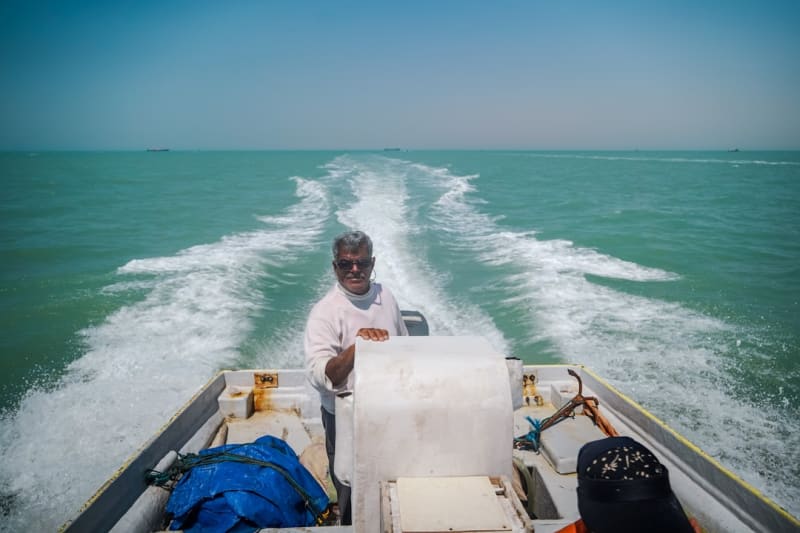 iran
iran Hengam Island
A small island south of Qeshm where dolphins gather in the strait most mornings and the only sounds at night are waves and generators.
Explore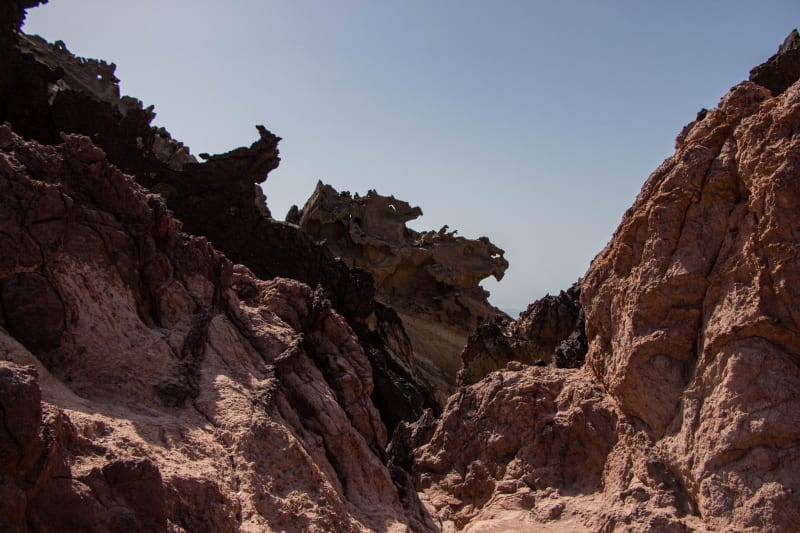 iran
iran Hormuz Island
A Persian Gulf island where the ground shifts from deep red to sulfur yellow to violet depending on the light, and the geology produces bread that tastes faintly of minerals.
Explore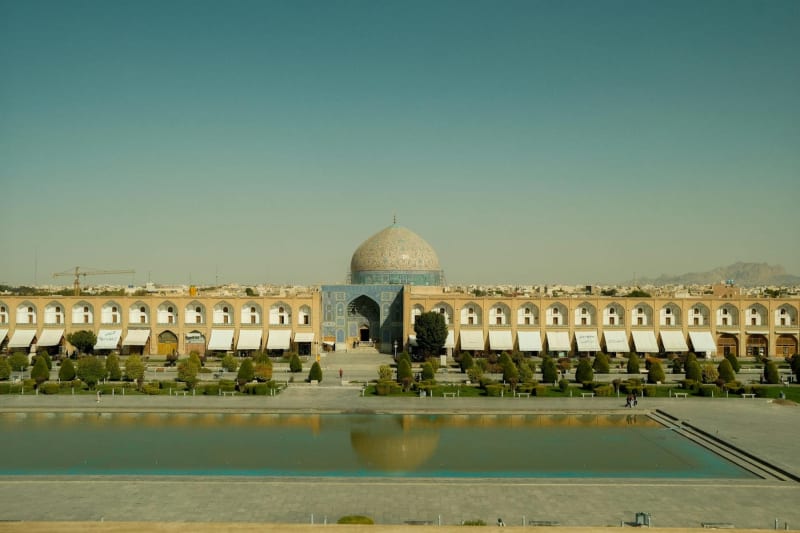 iran
iran Isfahan
Naqsh-e Jahan Square — one of the world's largest plazas, ringed by dazzling turquoise-tiled Islamic monuments.
Explore