Chaharbagh School
"The tilework of a mosque. The quiet of an actual school, because it still is one."
A working Safavid seminary and caravanserai-turned-hotel on Isfahan's grandest avenue, its courtyard still quietly humming with actual students rather than tour groups.
Chahar Bagh Abbasi Avenue is the closest thing Isfahan has to a grand boulevard — a straight, tree-lined processional route laid out by Shah Abbas I, wide enough that on a hot afternoon the old plane trees throw genuine shade rather than the token strip you get on most streets. About two-thirds of the way down it sits the Chaharbagh School, sometimes called Madar-e Shah School, and it’s the one Safavid religious building in the city I visited that is still actively doing the job it was built for.
A Seminary, Not a Set Piece
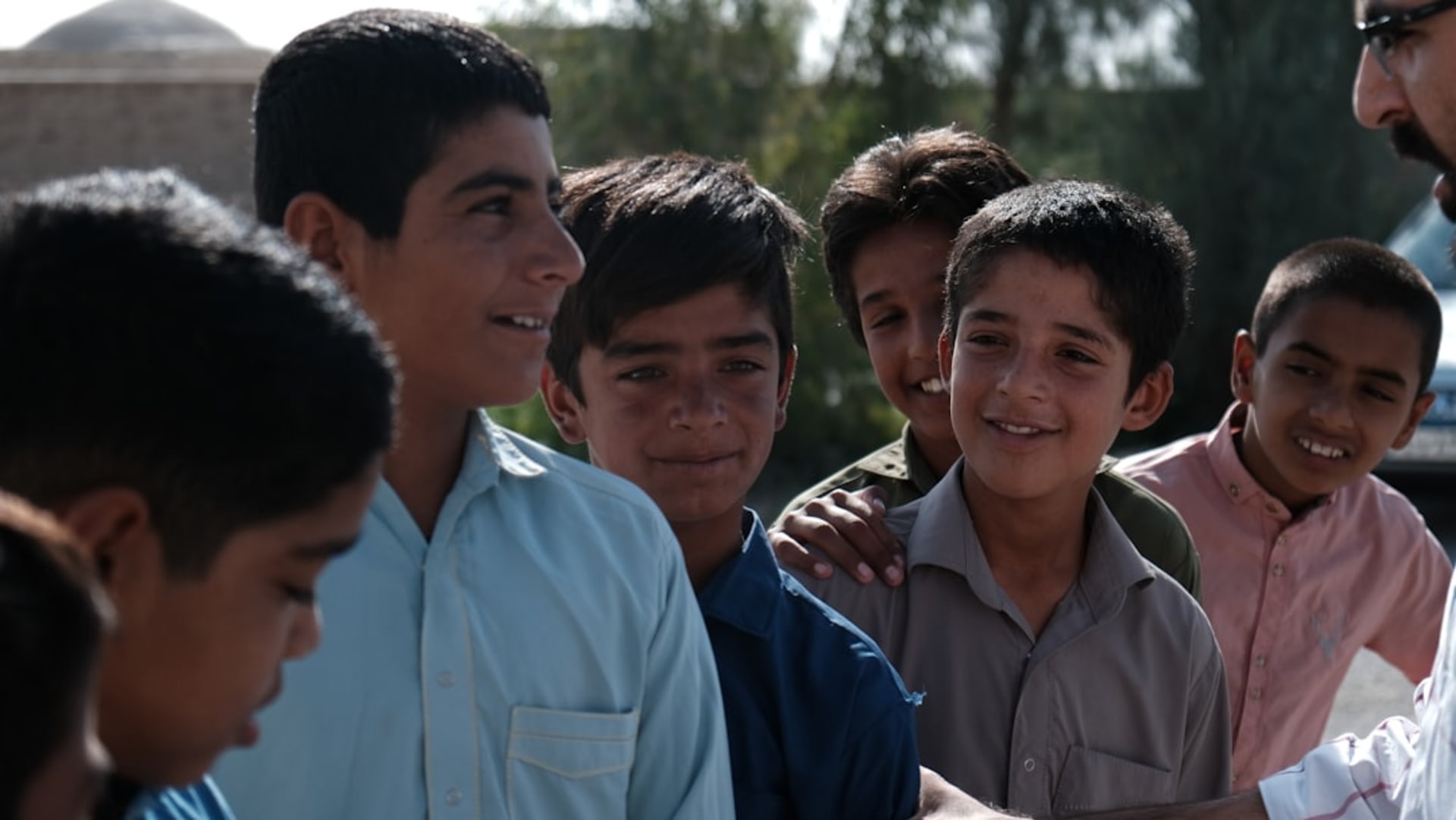
Completed in 1714 under Shah Sultan Hossein, right at the tail end of Safavid prosperity before the Afghan invasion that would soon unravel the dynasty, the school was built as a theological college, and it still functions as one — turbaned seminary students cross the courtyard on their way between classes, largely uninterested in the handful of visitors taking photos of the tilework. That contrast is what makes the place: the portal ceiling is a dense muqarnas honeycomb in gold, turquoise, and deep blue, as ornate as anything on the main square, and yet the overall atmosphere is closer to a quiet university quad than a monument.
The Caravanserai Next Door
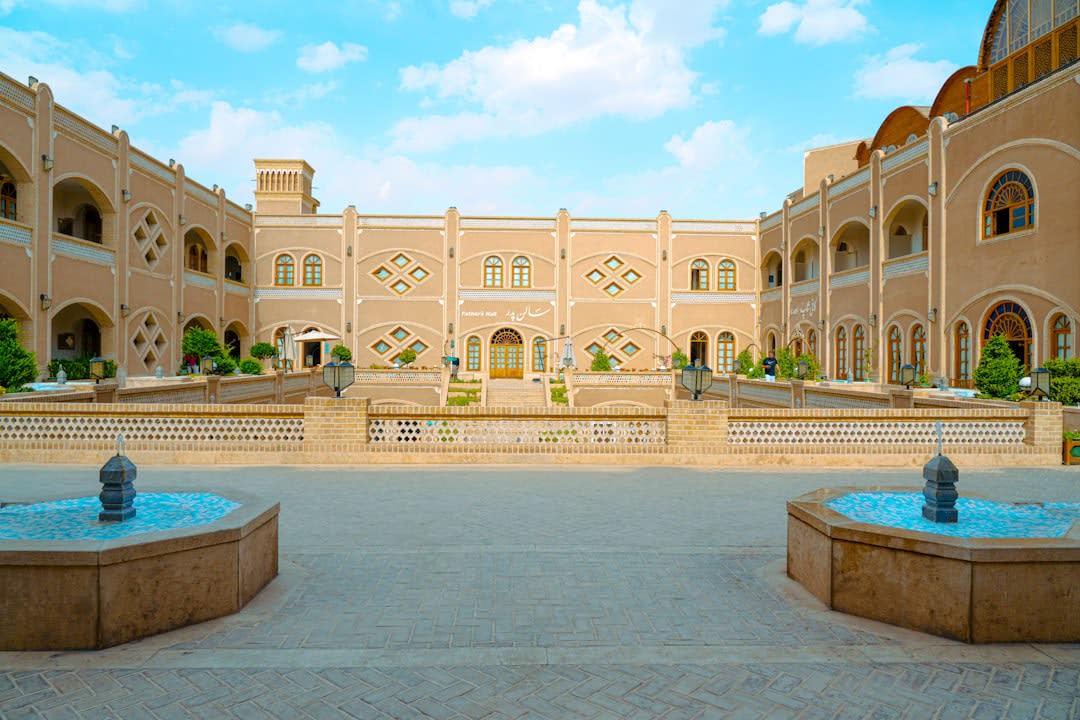
Directly attached to the school’s original complex was a caravanserai built to fund it through trade revenue — merchants would rent rooms and stable animals there, with the income supporting the seminary. That caravanserai has since been converted into the Abbasi Hotel, whose garden courtyard, filled with rose beds, tiled fountains, and citrus trees, is open to non-guests for tea. Lia and I sat there one evening with pots of tea and a plate of gaz nougat, watching the hotel’s lighting slowly bring the surrounding arcades into warm relief, and it was hard to believe we were sitting inside what began as a medieval merchants’ inn.
The school’s courtyard itself is smaller than the grand mosques nearby, and visiting hours are limited since it remains a functioning institution, so check locally before planning your route around it.
When to go: Late afternoon on a weekday, when seminary classes are winding down and the light along Chahar Bagh Avenue turns the plane tree canopy gold — pair it with tea in the Abbasi Hotel garden just after.