Bushehr
"The balconies looked like they belonged in Zanzibar, not Iran, and that's exactly the point."
A historic Persian Gulf port city with a crumbling colonial-era old quarter, strong ties to Gulf Arab and Indian trade, and food unlike anywhere else in Iran.
Bushehr doesn’t get anywhere near the attention Isfahan or Shiraz does, and I understand why on paper — it lacks a single monument that photographs well enough for a guidebook cover. What it has instead is a genuinely different Iran: a port city shaped for centuries by trade with India, East Africa, and the Arab Gulf states, with an old quarter and a food culture to match.
The Old Quarter’s Colonial Facades
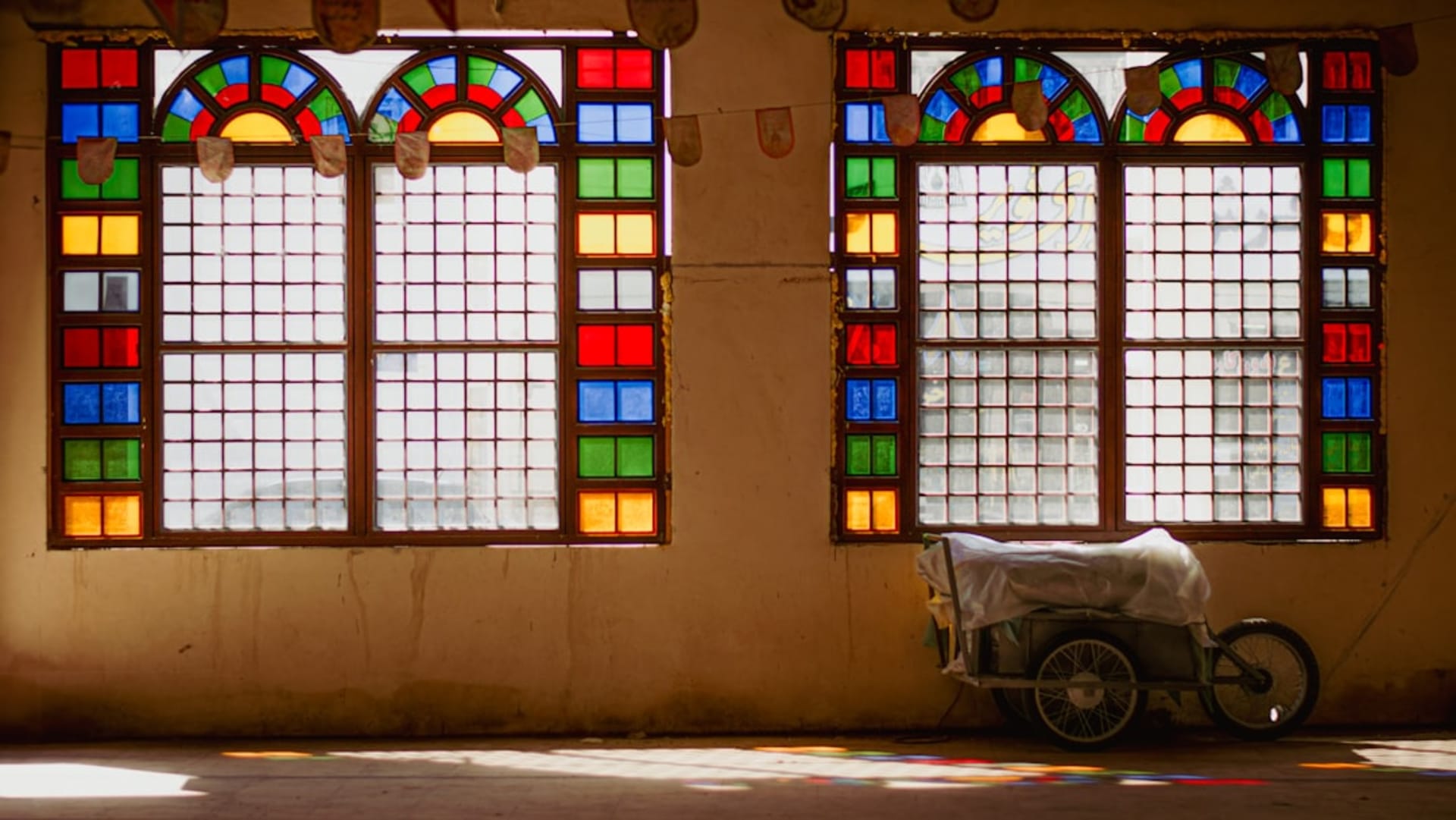
Walking through Bushehr’s historic center, the architecture caught me off guard — elaborate wooden balconies, carved lattice screens, and ornate doors that looked more like something from the Swahili coast or British colonial India than the rest of Iran. This is a direct legacy of Bushehr’s role as a major British and Indian trading post through the nineteenth and early twentieth centuries, when merchants from Bombay and Muscat built houses here in styles they brought with them. Many of the buildings are in serious disrepair, propped up or half-collapsed, but a slow restoration effort has saved some of the finest examples along the old bazaar street.
A Different Persian Cuisine
Bushehri food surprised me more than almost any regional cuisine in Iran. Meals leaned heavily on seafood, tamarind, and a fiery ground spice blend I hadn’t encountered elsewhere, closer in spirit to South Asian and East African coastal cooking than to the herb-and-saffron cuisine of the plateau. A dish called meygoo, a tamarind and spice shrimp stew served over rice, was easily one of the best meals of the whole trip — Lia made me order a second portion after finishing hers. The city’s saffron ice cream, sold from carts along the corniche in the evening, became our nightly ritual for the three days we stayed.
The Corniche at Sunset
Bushehr’s waterfront promenade fills up every evening with families walking, kids on rented electric scooters, and vendors selling roasted corn and tea. We joined the ritual each night, watching fishing boats come in against a sky that went deep orange over the Gulf, and it gave me a better sense of ordinary, unposed Iranian social life than any single monument could have.
When to go: November through March. Bushehr’s humidity in summer rivals anywhere else on the Gulf coast, and the corniche life that makes evenings here worthwhile depends on comfortable outdoor temperatures.