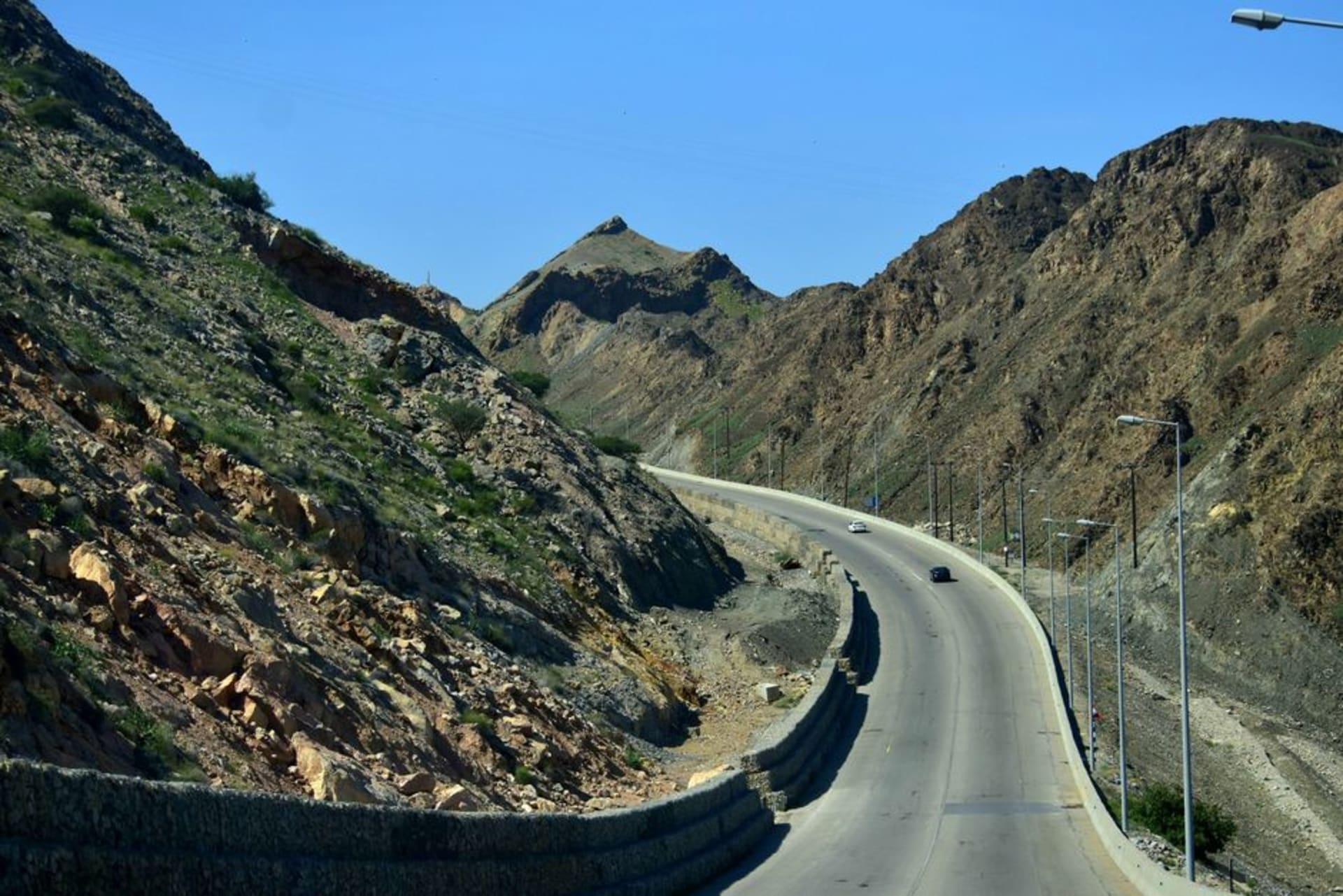
Bandar Abbas
"Nobody visits Bandar Abbas for Bandar Abbas. I'm glad I stayed a day longer than I planned to."
The working port city that guards the Strait of Hormuz — less pretty than Iran's famous cities, but the most honest introduction to how the Persian Gulf actually runs.
Every guidebook treats Bandar Abbas as a transit point — the place you pass through on the way to the Hormuz or Qeshm ferry — and functionally, that’s true. But treating it purely as a bus station means missing a port city that’s been the commercial hinge of the Persian Gulf for four hundred years, since the Persians took it back from the Portuguese in the seventeenth century with English naval help, of all things.
The Friday Bazaar
I arrived with a few hours to kill before my ferry and ended up staying the night because of the bazaar. It sprawls along the waterfront and inland for several blocks, and it is the most colorful market I saw anywhere in Iran — not metaphorically, literally: Bandari women here wear a distinctive style with elaborate embroidered masks called burqas, still worn daily by older women, and fabric in saturated oranges, magentas, and golds that has nothing in common with the more muted textiles of the Iranian plateau. Stalls sell dried fish, spices in loose mountains, plastic goods imported from across the strait, and a dizzying amount of counterfeit everything, since Bandar Abbas has functioned as an unofficial trade gateway to the Gulf states for generations.
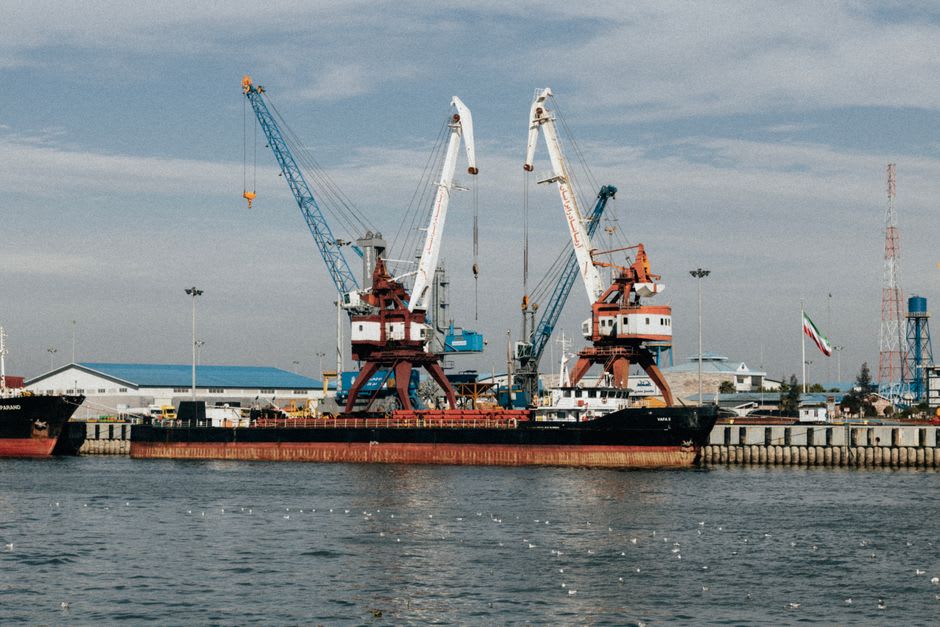
The Harbor at Dawn
I woke early the next morning mostly by accident — jet lag from an overnight bus — and walked down to the harbor to find it already fully alive. Wooden lenj boats, the traditional Persian Gulf dhow design still built by hand in yards along this coast, were loading and unloading cargo bound for Dubai, Sharjah, and points along the Arabian shore just across the water. A dock worker who spoke decent English, having spent years working in the Emirates, explained that a huge share of what fills these boats is technically informal trade, unregistered and untaxed, and that the whole strait economy runs partly on this kind of unofficial commerce that nobody quite polices.
Bandari Music and Food
That evening, a small restaurant near the port had live Bandari music going — a percussion-heavy, African-influenced style unlike anything else in Iranian music, a legacy of centuries of trade and slavery across the Gulf. I ate grilled kingfish with a tamarind-based sauce that was sharper and more sour than anything in Persian cuisine further north, another reminder that Bandar Abbas belongs as much to the Gulf world as to the Iranian plateau.
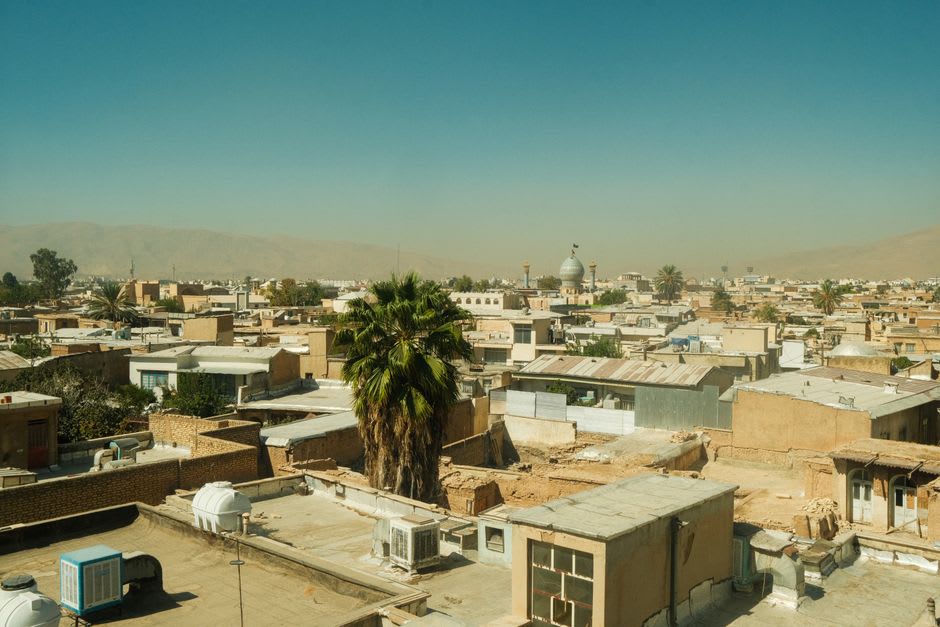
When to go: November through February. Bandar Abbas sits at nearly the same latitude and climate as Hormuz and Qeshm — brutal, humid heat from May through September that makes walking the bazaar genuinely unpleasant.