Bam
"Every wall here was rebuilt by people who lost family to the same earthquake that destroyed it."
The largest adobe citadel on earth, devastated by a 2003 earthquake and rebuilt stone by stone — a UNESCO site that is also a monument to recovery.
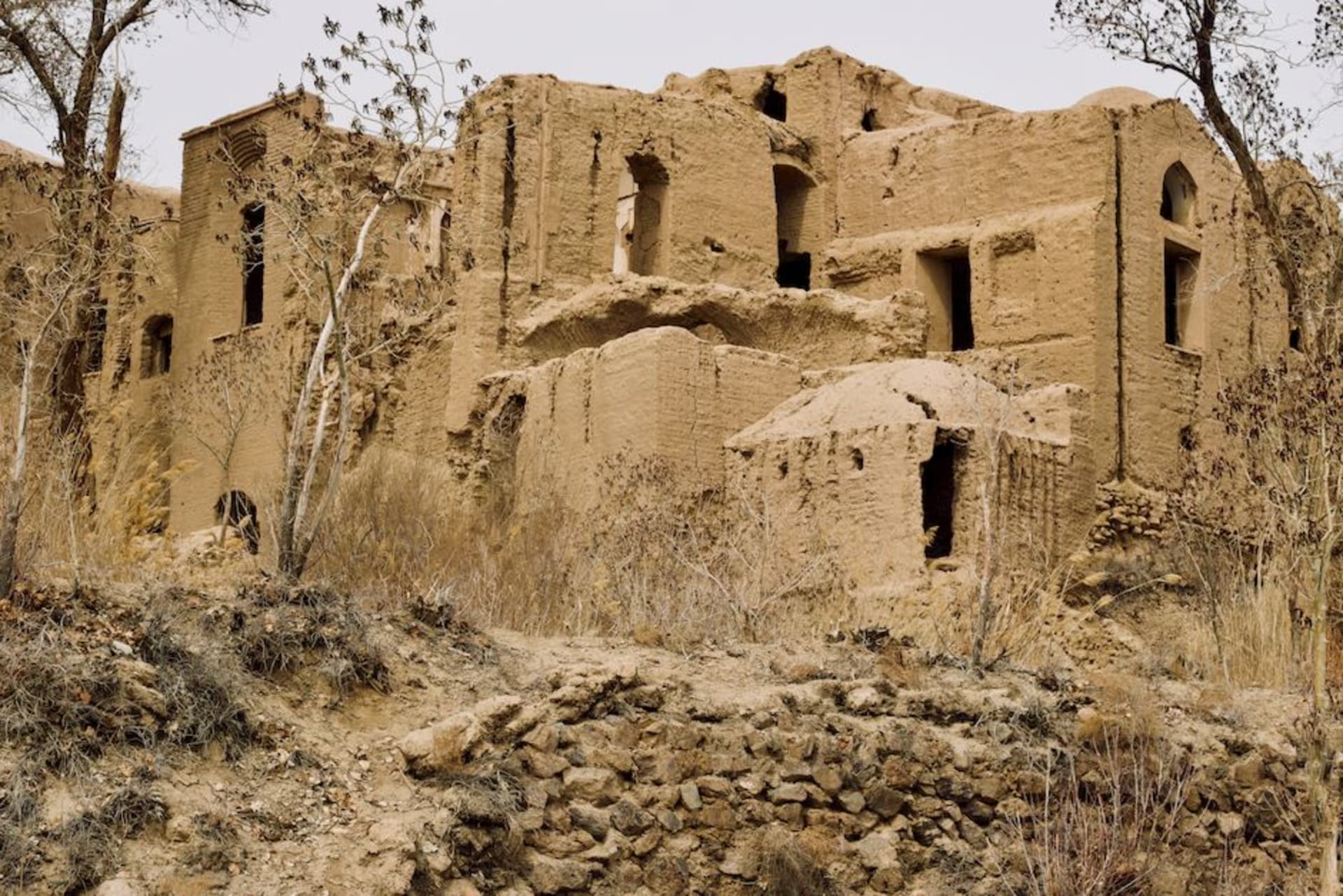
I almost skipped Bam. It’s a long detour southeast of Kerman into serious desert, and I’d read that the citadel — the largest adobe structure in the world — had been “destroyed” in the 2003 earthquake that killed over 26,000 people in the city, which made me assume there wasn’t much left to see. That assumption was wrong in a way I’m glad to have corrected. What stands at Bam today is a genuinely moving combination of ancient engineering and ongoing reconstruction, and understanding the earthquake is inseparable from understanding the site.
Arg-e Bam, Reassembled
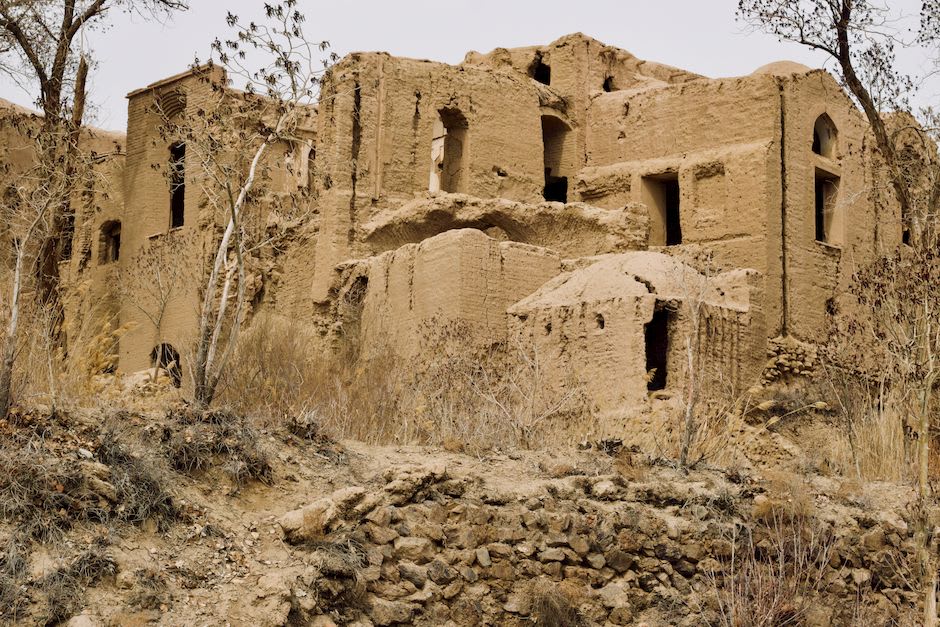
The citadel’s origins go back over two thousand years, with most of the surviving structure dating to the Safavid period, built almost entirely from adobe — mud brick, straw, and clay — on a fortified hill that once anchored a major Silk Road city of some thirteen thousand people. The December 2003 earthquake collapsed roughly eighty percent of it in under twelve seconds. What I walked through was a careful, ongoing international reconstruction effort, using traditional techniques and materials, that has restored much of the citadel’s silhouette — the outer walls, watchtowers, and the governor’s residence at the summit — while leaving some sections visibly scarred as a form of memorial. Climbing to the highest tower at sunset, with the desert and the palm groves below turning orange, I found it impossible not to think about how recently the ground beneath my feet had failed catastrophically.
The City Below
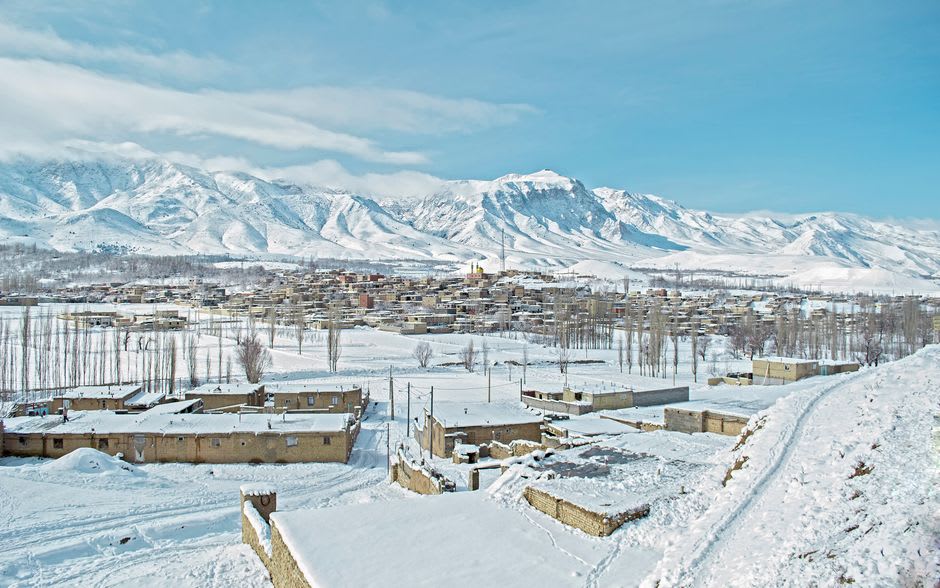
Modern Bam, rebuilt after the earthquake with newer, earthquake-resistant construction, surrounds the citadel and sustains itself on the region’s famous date palm groves — Bam dates are considered among the finest in Iran, and the harvest season fills the markets with a dozen varieties I’d never encountered. A local man running a small shop near the citadel entrance told me, without being asked, exactly where he was standing when the earthquake hit and how long it took him to find his children. It wasn’t a story offered for sympathy. It was simply part of how everyone there explains their city.
Getting Oriented
Bam is roughly a two-hour drive southeast of Kerman, with basic guesthouse accommodation in the modern town. Most visitors do it as a long day trip from Kerman or an overnight combined with a Lut Desert excursion, since the two are broadly on the same route.
When to go: November through March. Bam sits at the edge of the desert and summer heat is extreme; winter days are warm without being punishing, and the citadel’s reconstructed walls photograph best in the low light of late afternoon.