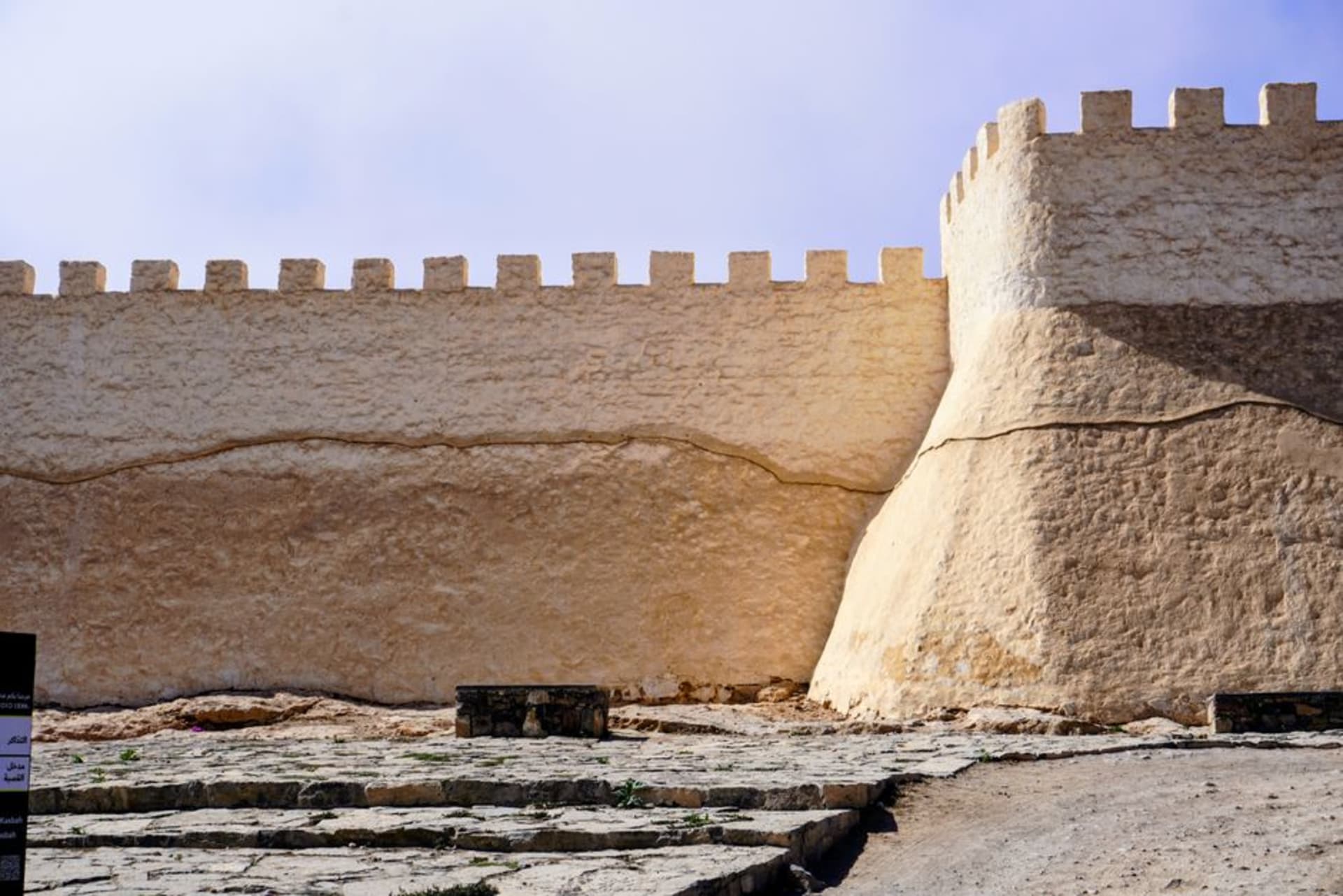
Babak Fort
"He held this ridge against an empire for over twenty years. Standing on it, you understand exactly why."
A crumbling fortress balanced on a knife-edge ridge above the Arasbaran forests, built by a ninth-century rebel leader who held off the Abbasid Caliphate here for years — and a hike that will leave your legs shaking.
Getting to Babak Fort requires a two-and-a-half hour hike straight up a mountainside near the town of Kaleybar, and about halfway up, sweating through my shirt while Lia somehow kept a steady pace ahead of me, I started to understand why this particular ridge became the last holdout of a rebellion that lasted over twenty years.
A Rebel’s Fortress
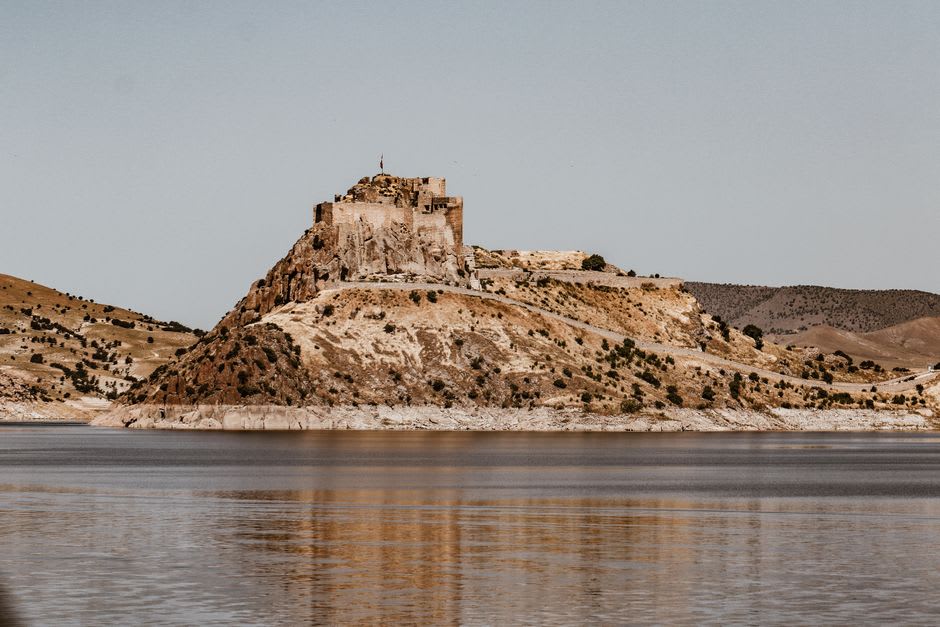
The fort takes its name from Babak Khorramdin, a ninth-century Iranian rebel leader who led a prolonged resistance against the Abbasid Caliphate from this near-impregnable perch in the Arasbaran mountains. The fortress, perched on a narrow rocky spine with sheer drops on both sides, was chosen precisely because it was nearly unassailable — a single approach path that any defender could hold against a much larger force. Babak held out here for more than two decades before being betrayed and eventually captured; today, he’s remembered by many Iranians, and especially by Iranian Azerbaijanis, as a symbol of resistance against foreign domination, which gives the site a charged, almost pilgrimage-like quality for some visitors.
What’s Left
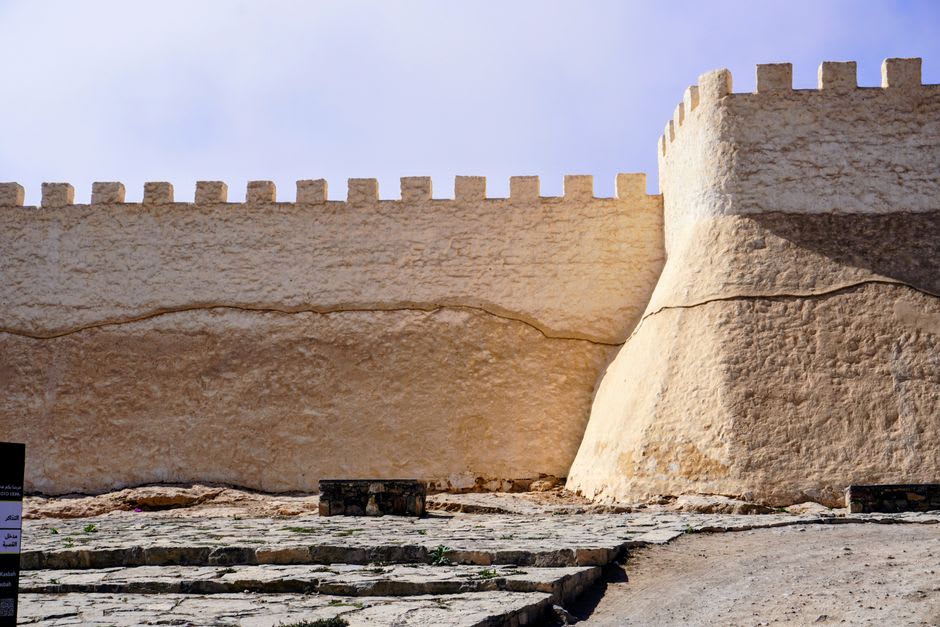
The ruins themselves are modest — sections of wall, cisterns cut into rock, foundations of what were once towers and living quarters — but the setting does the heavy lifting. From the summit, the Arasbaran forest unrolls in every direction, one of Iran’s few substantial temperate forest regions and a UNESCO biosphere reserve, thick with oak and hornbeam that looked almost implausibly green against the arid plateau I’d gotten used to further south. We sat at the top for nearly an hour, sharing dried mulberries a vendor had sold us at the trailhead, watching clouds move across the ridgeline below us rather than above.
The Hike Itself
Don’t underestimate the climb. The path is well-maintained and clearly marked, with benches at intervals for a reason, but the elevation gain is real and there’s minimal shade for most of the ascent. Bring more water than feels necessary. Vendors at the base sell dried fruit, nuts, and cold drinks, and a few teahouses in Kaleybar town make a satisfying reward at the bottom once your legs stop complaining.
When to go: May through October, avoiding winter snow and ice on the upper trail. Early morning starts beat the midday heat on the exposed sections of the path.