Abyaneh
"The whole village is the color of the mountain it's built from, which is either poetic or just very practical."
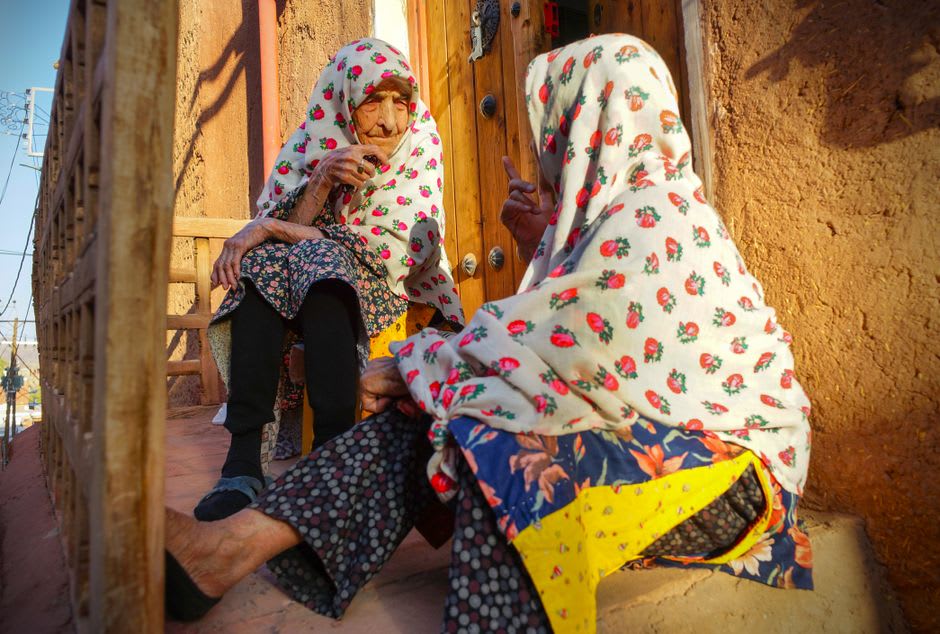
A mountainside village built entirely of red clay, where old women in floral headscarves still speak a dialect closer to Middle Persian than Farsi.
Abyaneh sits about ninety minutes from Kashan, up a winding road into the foothills of Mount Karkas, and the color hits you before anything else does. The entire village — houses, retaining walls, the narrow stepped lanes connecting them — is built from a distinctive red-ochre clay quarried from the surrounding cliffs, so the whole settlement reads as a single continuous material, stacked up the slope like it grew there rather than being built.
A Language Older Than the Country Around It
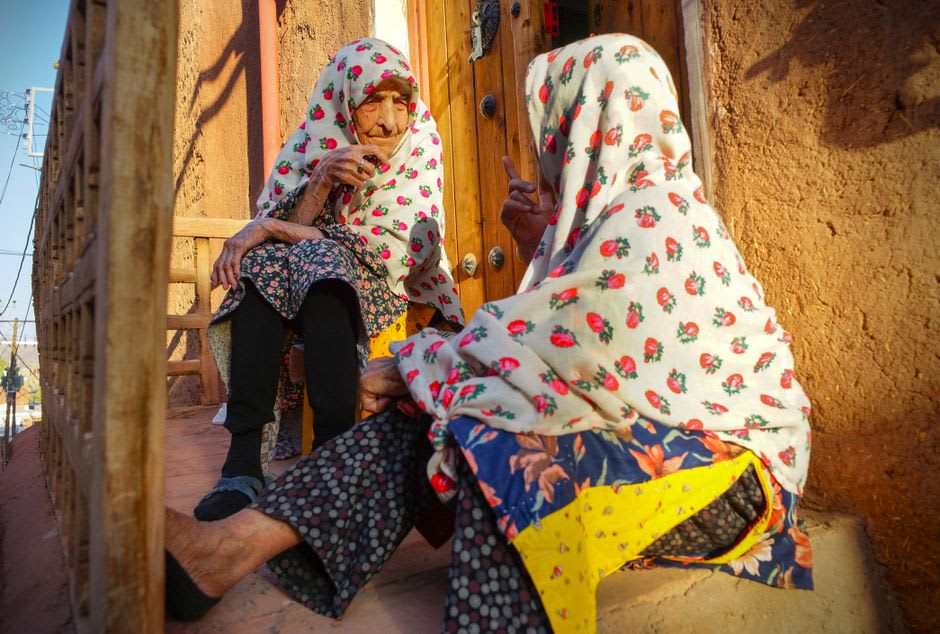
What makes Abyaneh more than a pretty color is the people. Many of the older residents still speak a dialect that linguists trace back to Middle Persian, the language spoken before the Arab conquest brought Islam and eventually reshaped the language into modern Farsi — meaning some of what you hear on the street here is closer to what was spoken over a thousand years ago than to the Persian spoken in Tehran today. An elderly woman selling dried fruit and walnuts outside her door wore the traditional costume without a trace of performance about it: a floral-print headscarf tied under the chin, layered over a long white underscarf, and a wide pleated skirt in a pattern I later learned varies subtly by family. This is daily wear here, not a costume for tourists.
Climbing Toward the Fire Temple Ruins
The village climbs steeply enough that every lane doubles as a staircase, and following one up past the last houses brought me to the crumbling remains of a Sassanid-era fire temple, predating Islam in Iran by several centuries. There isn’t much left standing — a few courses of stone and the ghost of a floor plan — but the position, looking back down over the red rooftops and the poplar trees along the stream below, made the climb worth it on its own.
Lia bought a small jar of Abyaneh’s local sour cherry preserve from a stall by the main square, and it became the thing we rationed most carefully for the rest of the trip — better than anything we’d had in Isfahan or Shiraz, and apparently made from a cherry variety that barely leaves the valley.
When to go: Spring and autumn, when the poplar trees along the stream are either freshly green or turning gold against the red houses. Weekday mornings are much quieter than Friday, when day-trippers from Tehran and Isfahan arrive in numbers.
Keep exploring
More from Iran
 iran
iran Afif-Abad Garden
A Qajar general's private garden and armory, now one of Shiraz's quietest museums — and its best-kept secret for an afternoon nap under a cypress.
Explore iran
iran Agha Bozorg Mosque
A sunken twin-courtyard mosque-madrasa where the architecture itself teaches a lesson in Islamic cosmology, one level at a time.
Explore iran
iran Ahvaz
A hot, unpretentious oil city on the Karun River that most travelers skip entirely, and the best base for exploring Khuzestan's ancient sites.
Explore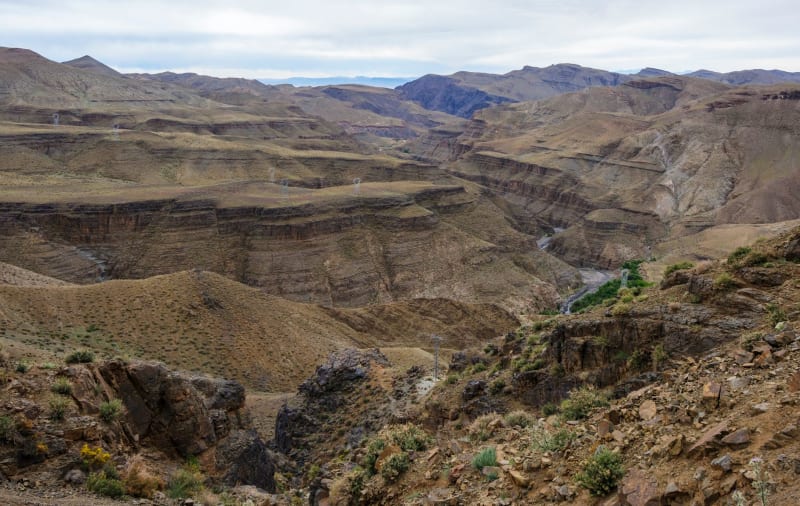 iran
iran Alamut Valley
A narrow Alborz mountain valley where the Assassins built their eagle's nest castles on unassailable ridges, and apple orchards fill the floor below in almost implausible tranquility.
Explore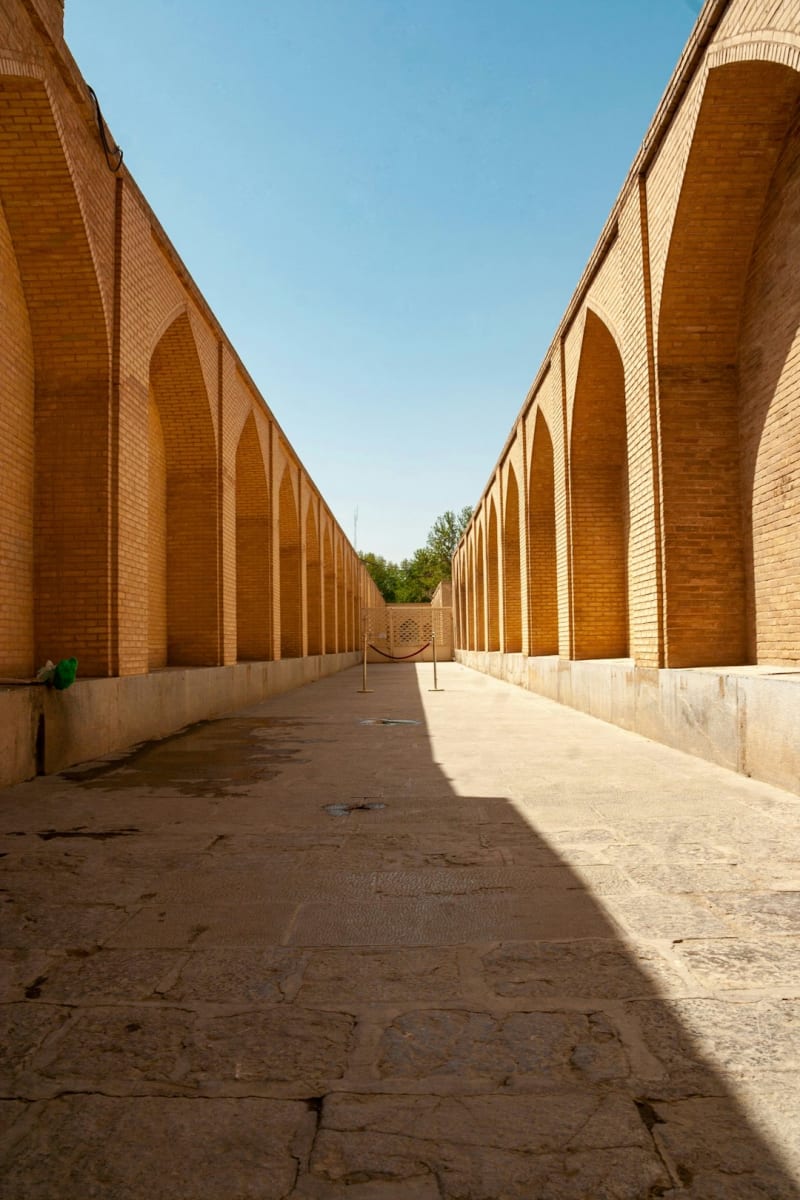 iran
iran Ali Qapu Palace
A six-story royal grandstand overlooking Naqsh-e Jahan Square, topped by a music room whose plaster walls are carved into hollow instrument shapes for acoustics, not decoration.
Explore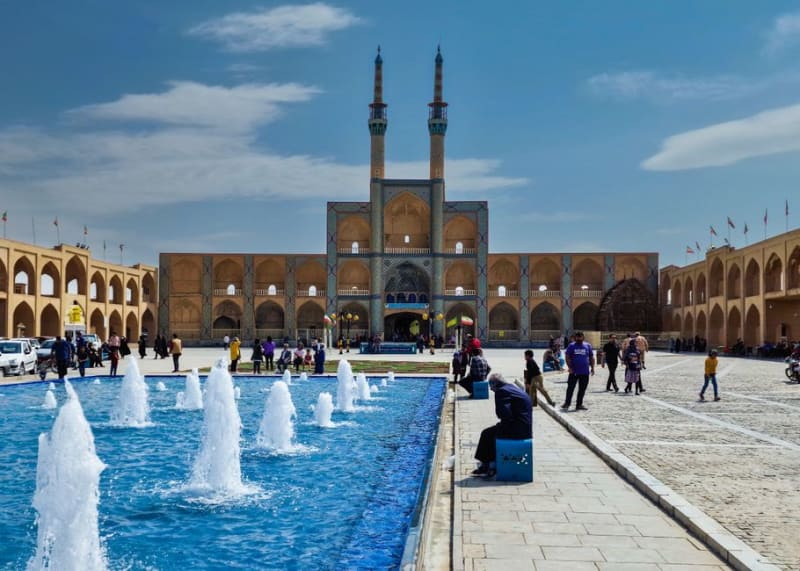 iran
iran Amir Chakhmaq Complex
A three-tiered facade of symmetrical sunken alcoves that turns into Yazd's evening living room the moment the sun goes down.
Explore