A quiet desert town built around a four-thousand-year-old cypress tree that was already ancient when most of history happened.
I’ve stood next to some old things in my travels — Roman ruins, colonial churches, a couple of pyramids — but nothing prepared me for the particular feeling of standing beside something old and alive at the same time. The Zoroastrian Sarv of Abarkuh is estimated at somewhere between four and five thousand years old, one of the oldest living organisms on the planet, and it’s still green, still producing new growth every spring, in a small desert town most travelers drive straight past.
Standing Beside the Sarv
The tree itself is enormous and strange-looking, a massive fissured trunk that splits into thick multiple limbs, ringed by a low protective wall and a scattering of younger cypress saplings grown from its cuttings. There’s a small ticket booth and almost nobody else around on a weekday. I walked a slow circle around the base, trying and failing to properly register the number — four thousand years means this tree predates the Achaemenid Empire, predates Zoroaster himself according to some estimates, and was already old when Persepolis was under construction. Lia put her hand flat against the bark for a while and didn’t say anything, which felt like the correct response.
An Old Town Built to Match
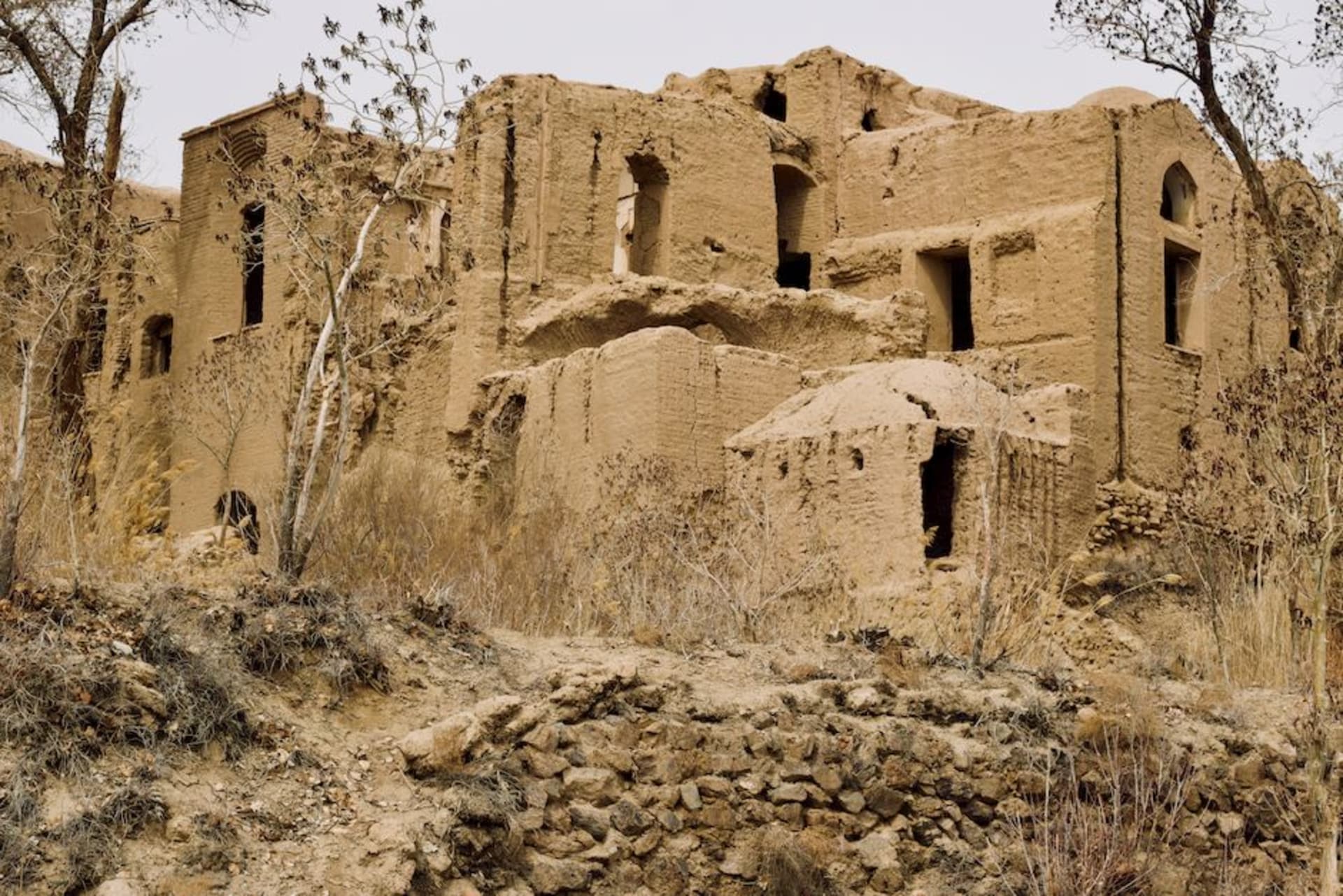
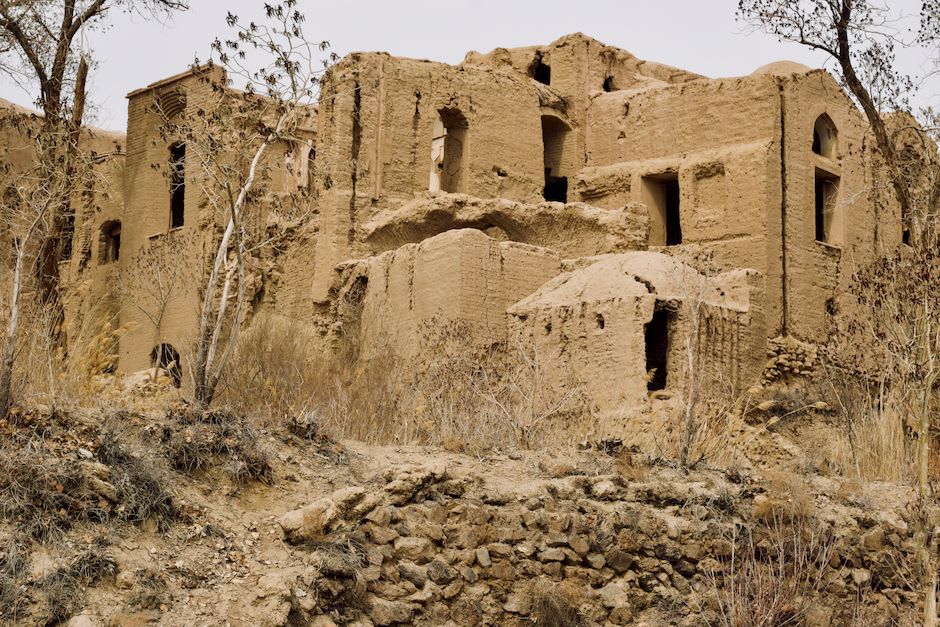
Abarkuh’s old quarter has its own mud-brick architecture worth an unhurried hour, including a smaller Sassanid-era ice house and the remains of a fortified enclosure locally called the Gonbad-e Ali, a domed tomb tower dating to the eleventh century whose brickwork is exceptionally fine for its age. Walking the narrow lanes between the tree and the tomb tower, past courtyard houses with the same badgir wind towers found throughout the region, I got the sense of a town that has simply continued being itself for millennia without much interruption from the modern world.
A Town Overlooked by Design
Abarkuh sits on the main road between Yazd and Shiraz, which means most travelers pass directly through it without stopping, assuming — reasonably enough — that a roadside town holds nothing worth the delay. That assumption is wrong here in a way it usually isn’t. The detour costs perhaps ninety minutes and delivers one of the strangest, quietest encounters with deep time I’ve had anywhere in Iran.
When to go: Spring, when the cypress and surrounding vegetation are visibly greenest, though the tree is a worthwhile stop in any season if you’re already driving the Yazd–Shiraz road.