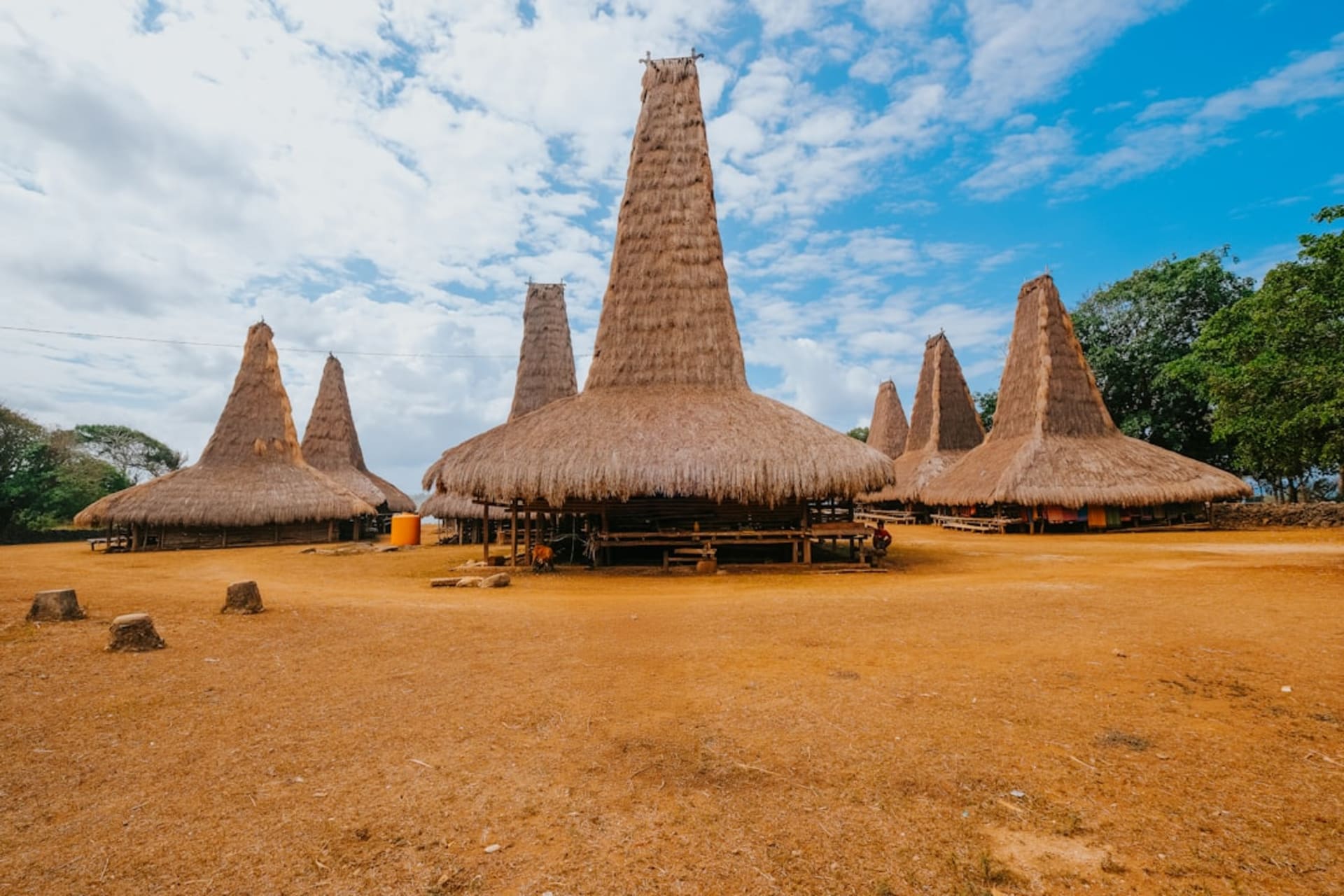
West Sumba's hill-town capital, where megalithic tombs sit inside the town limits and the old animist customs are lived, not performed.
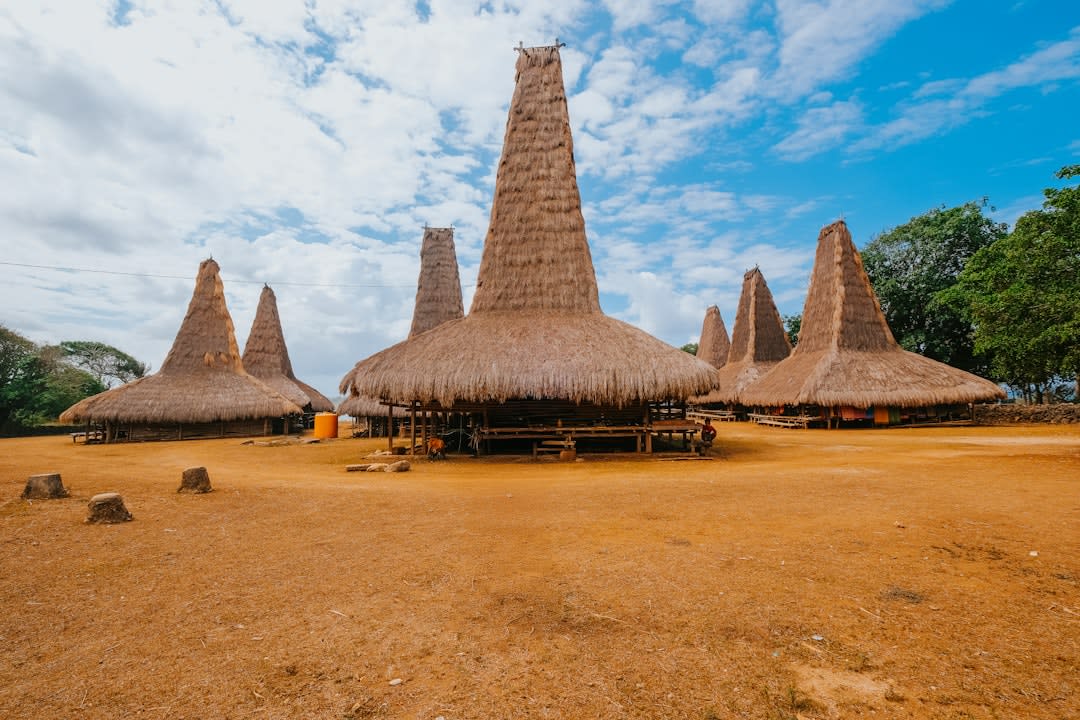
Most regional capitals in Indonesia have long since paved over whatever traditional village once stood on the site. Waikabubak didn’t. Climb the hill in the center of town and you land in Kampung Tarung, a working traditional village with soaring thatched-roof clan houses and stone megalithic tombs standing between them, all inside the administrative boundaries of West Sumba’s capital. I stayed in a nondescript guesthouse a ten-minute walk away and still woke up most mornings to the sound of roosters and, once, drumming from a ceremony I never fully understood the purpose of but was quietly allowed to watch from a respectful distance.
Waikabubak is smaller and calmer than Waingapu on the island’s east side, and it functions as the natural base for exploring West Sumba’s cluster of traditional villages — Tarung, Waitabar, Prai Goli, and the hilltop village of Prai Ijing a short drive out, where a row of tall-roofed houses and centuries-old stone tombs sit along a single ridge with sweeping views over rice paddies below. What struck me most in Prai Ijing wasn’t the architecture, impressive as it is, but a tomb carved with a fresh inscription — a reminder that this is not a preserved museum piece but an active burial ground, still being used exactly as it has been for generations.
Marapu still governs here
West Sumba, more than the east, remains a stronghold of Marapu, the indigenous belief system built around ancestor veneration and a hierarchy of spirits tied to specific clans and natural sites. Even with a Catholic or Protestant church on nearly every corner of town, Marapu rites continue in parallel, sometimes blended, sometimes kept separate — animal sacrifice at funerals, offerings at sacred stones, and elaborate multi-day ceremonies that a village will simply pause everyday life for. A local guide I hired for a day explained that a full traditional Sumbanese funeral for a person of status can involve the ritual slaughter of dozens of buffalo and horses, a display of wealth and respect that can leave a family in debt for years but that nobody I spoke to considered optional.
The town itself is walkable and low-key — a market street, a few warungs doing solid nasi campur, motorbike rental stalls for the villages further out. West Sumba’s stretch of Pasola war games, the ritual mock battles fought on horseback each February and March, are centered on villages within reach of Waikabubak, including Kodi and Lamboya to the south and west, and the town fills with a different energy in the days leading up to it.
Getting there and around
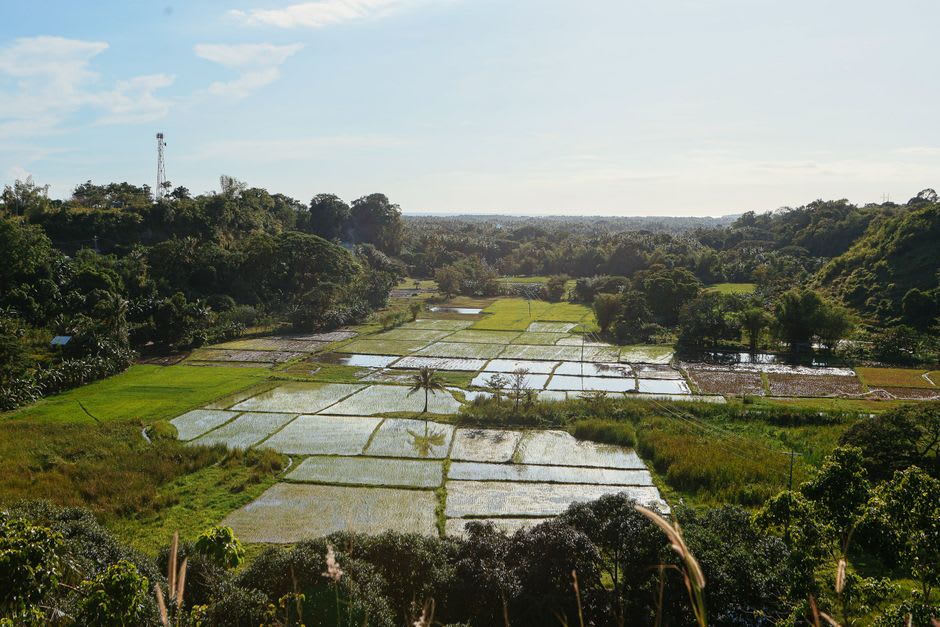
Waikabubak sits inland, connected to Tambolaka’s airport on the coast by about an hour’s drive through hills and rice terraces that are worth the trip on their own. There’s no real reason to rent a car — a motorbike, or a hired driver for the day, covers the village circuit easily, and the roads, while occasionally rough, are manageable outside the heaviest of the wet season.
When to go: June through September for dry, passable roads to the outlying villages; February and March if the Pasola war games are the reason for the trip, despite the lingering rain.