Padang
"Every plate that arrived at the table, I hadn't ordered a single one of them — and that's exactly how it's supposed to work."
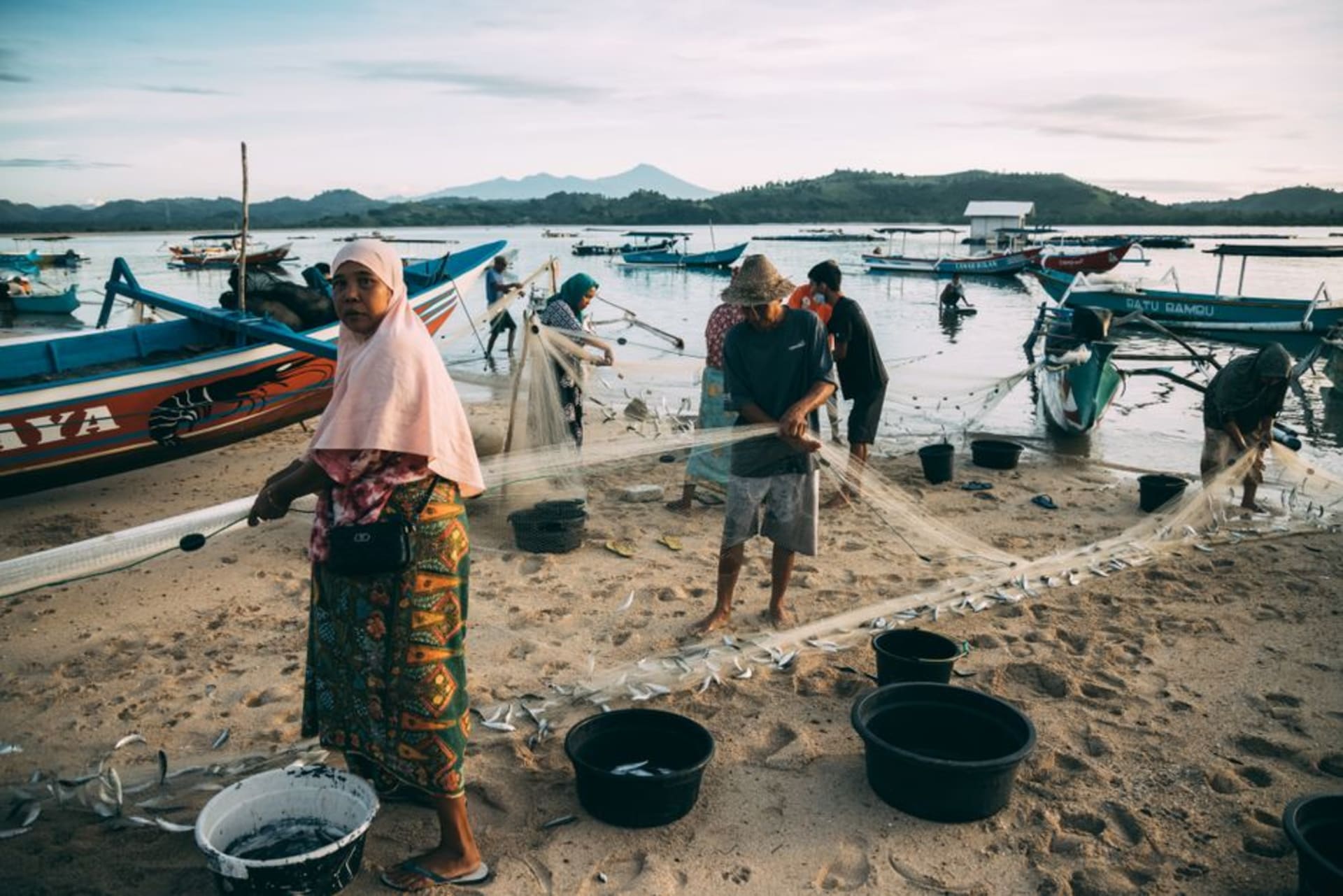
The coastal capital that gave the world rendang and nasi padang, served up on a beach where surfers now chase the same swells that once brought Dutch trading ships.
Nobody explained the rules to me the first time I sat down at a nasi padang restaurant in the city that invented the concept, and that’s sort of the point. A server appears within seconds of you sitting down and starts stacking small plates in front of you — rendang, gulai tunjang, ayam pop, sayur nangka, a dozen dishes you never asked for — and you eat what you want and pay only for what you touch. It’s an old Minangkabau restaurant tradition called hidang, and it turns every meal into a small negotiation between hospitality and commerce. I ate more in Padang than anywhere else in Sumatra, purely because the food kept arriving before I could think to stop it.
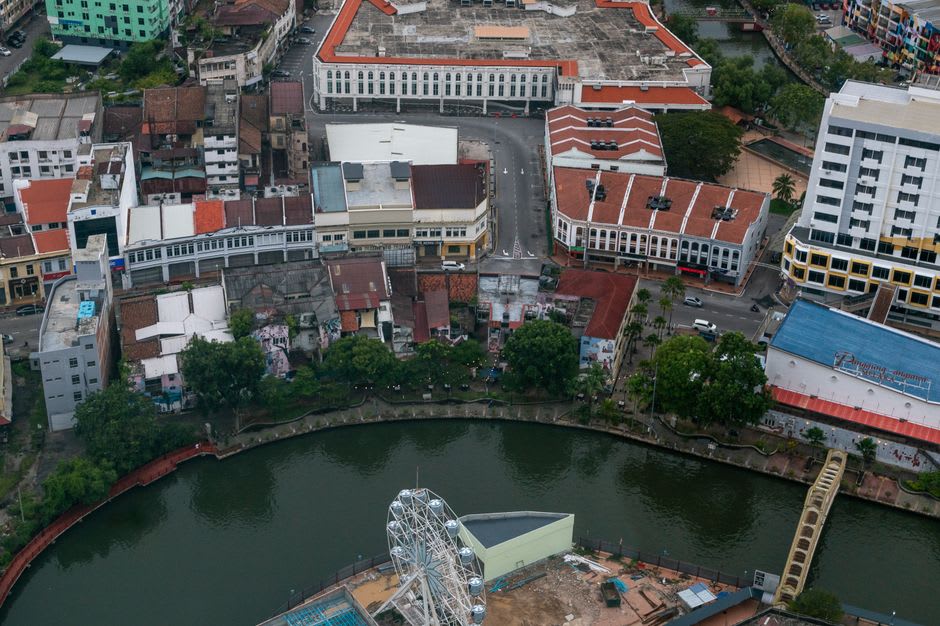
Padang is the provincial capital of West Sumatra and the historic port through which Minangkabau culture met the wider world — first Acehnese and Portuguese traders, then the Dutch East India Company, which built a trading post here in the 1660s and eventually made the city the administrative center for the entire west coast. That colonial-era core is still visible in Kota Tua, Padang’s old town near the Batang Arau river mouth, where Dutch-era warehouses and shophouses — some restored, many crumbling gently in the tropical damp — line streets that once handled the coffee and gold trade flowing out of the highlands.
A city that keeps rebuilding itself
Padang sits directly on a subduction zone, and its relationship with the Indian Ocean has been genuinely dangerous — a major 2009 earthquake killed over a thousand people and flattened large parts of the city, and tsunami evacuation route signs are now a permanent fixture on the main roads, pointing inland toward higher ground. It gives the city an odd undercurrent: bright, commercially confident, food-obsessed, and simultaneously living with a very concrete awareness of what the ocean in front of it is capable of. Locals told me about the drills, the sirens tested on schedule, in the same practical tone Berastagi residents use about their volcano. You adapt to the geology you’re given.
The beach, the islands, and the surf nobody talks about
What surprised me most was Padang’s coastline itself. Pantai Padang, the city beach, fills up every evening with locals eating grilled corn and watching the sun drop into the Indian Ocean — a proper, unpretentious town beach with none of the resort polish of Bali. Offshore, the Mentawai Islands are one of the most celebrated big-wave surf destinations on earth, and Padang functions as the jumping-off port for the boat charters that run out there, though the swells right along the city’s own coast, near Air Manis beach, draw a smaller and much scrappier local crew. Air Manis is also home to the Malin Kundang rock formation — stone shapes locals will earnestly tell you are the petrified remains of a legendary son cursed by his mother for disowning her, one of the most enduring folk tales in Minangkabau oral tradition.

Padang doesn’t get the tourist attention that Bukittinggi or Lake Toba pull in, and I think that’s mostly geography — it’s a working port city, not a highland retreat, and it reads that way: busier, hotter, more commercial. But it’s also the source of the region’s food culture, the historic gateway that shaped how Minangkabau cuisine and customs eventually spread across the whole archipelago through merantau migration. Eat here before you eat anywhere else in West Sumatra. Everything else is downstream of this city’s kitchens.
When to go: May to September for the driest weather and calmest coastal conditions; if you’re routing onward to the Mentawais, the surf season runs roughly April through October.