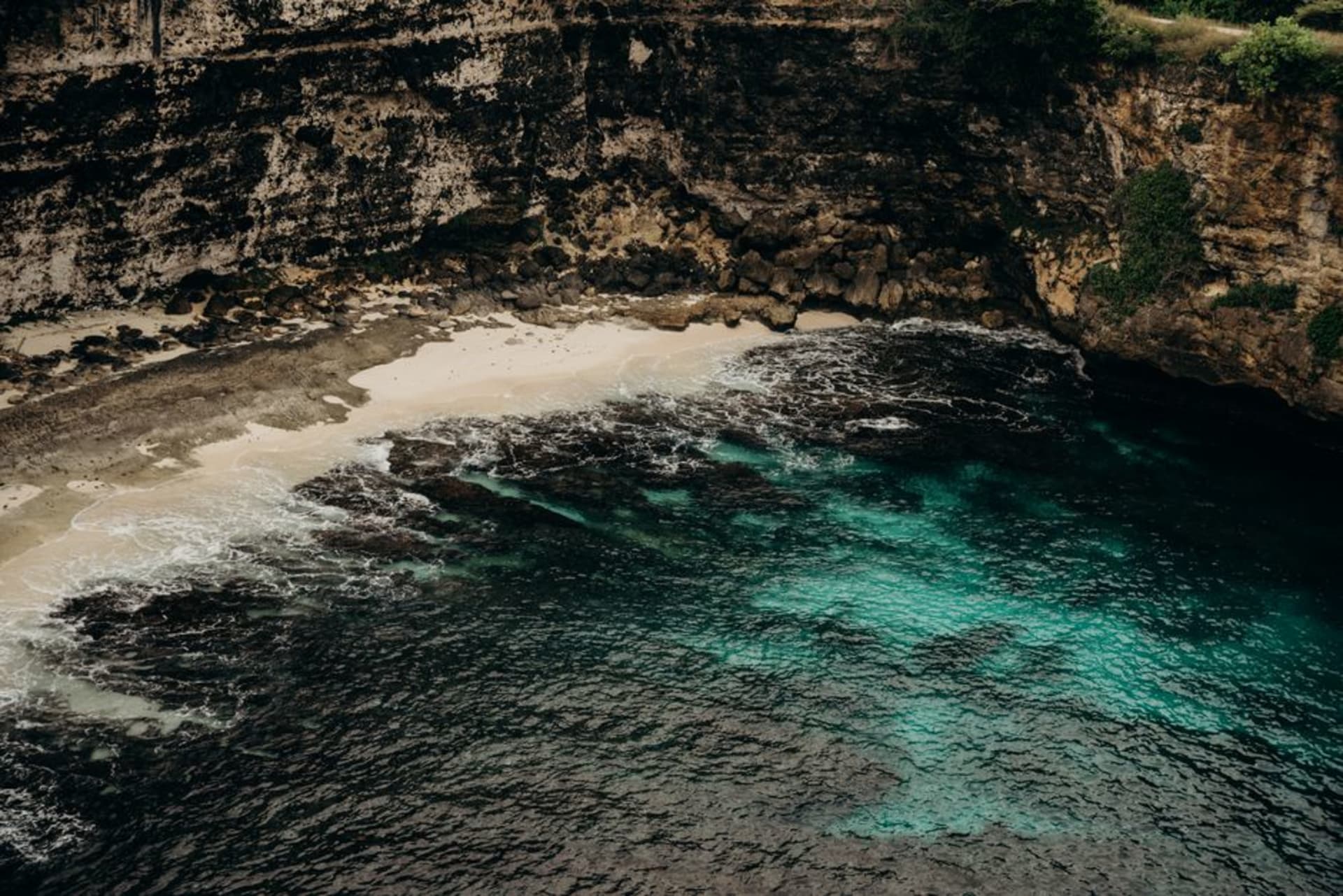
Nusa Lembongan
"Bali without the traffic, if Bali had ever had less of it to begin with."
A half-hour speedboat ride from Sanur and a world away — cliffside surf breaks, seaweed farmers wading at low tide, and a mangrove channel that turns copper at sunset.
I almost didn’t bother with the crossing. Everyone in Sanur talks about Nusa Lembongan and its two smaller neighbors, Nusa Ceningan and Nusa Penida, as if they’re interchangeable, and by the time I’d heard “gili this” and “nusa that” a dozen times over breakfast at my losmen, I’d stopped listening properly. Then a dive instructor I’d met in Amed told me, almost as an aside, that Lembongan had no dogs barking at 3am, no motorbike horns, and — this is what got me — no cars at all on most of the island. I booked the next fast boat out of Sanur harbor.
The island sits in the Badung Strait, close enough to mainland Bali that you can see Gunung Agung looming across the water on a clear morning, but the currents running through that strait are serious business — they’re part of what makes this one of the best places in Indonesia to see mola mola, the ocean sunfish, when they rise from the depths between July and October to be cleaned by reef fish. I’m not a diver, but I went out on a snorkel trip anyway, mostly to say I’d seen the cliffs of Crystal Bay from the water, and ended up getting seasick in the swell and not regretting it at all.
Seaweed and the slow tide
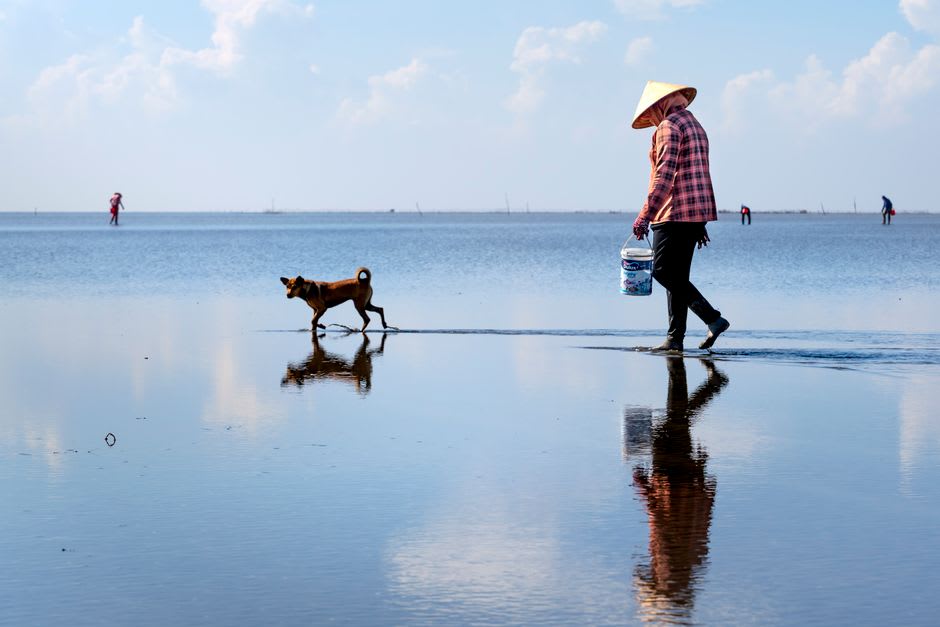
What surprised me most wasn’t the surf breaks, though Playgrounds and Shipwreck are exactly as good as the Australian surfers camped out at the warungs near Mushroom Bay insist they are. It was the seaweed farms. Along the shallow lagoon between Lembongan and Ceningan, families still wade out at low tide to tend rows of staked seaweed, the same eucheuma cottonii that’s been the island’s second economy since tourism arrived in the 1980s. You can walk the tidal flats yourself when the water recedes — the farmers don’t mind, and a few will explain the drying process if you show real interest rather than just pointing a camera.
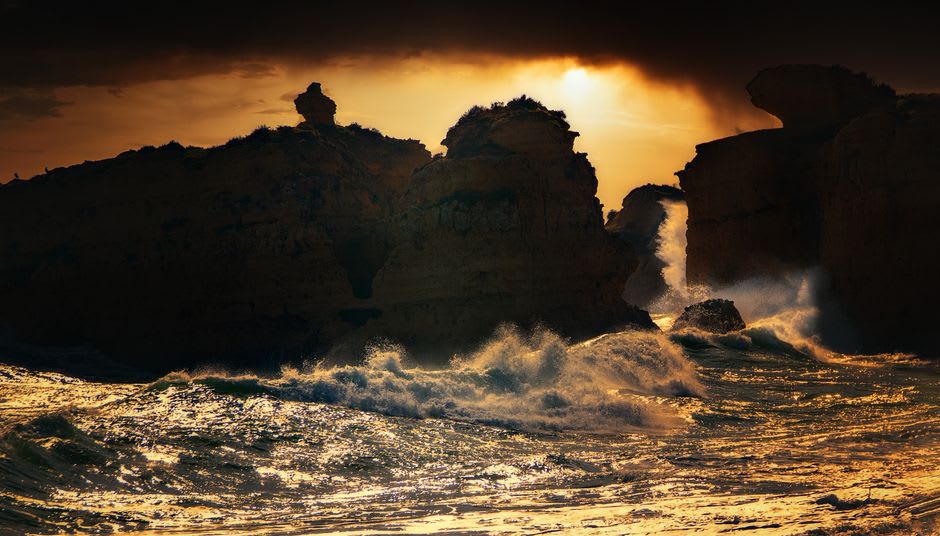
The Yellow Bridge connecting Lembongan to Ceningan is a rickety, single-lane suspension crossing that locals ride scooters across two at a time, and standing in the middle of it at golden hour, watching the mangrove-lined channel underneath turn the color of weak tea, is one of those moments that doesn’t photograph the way it feels. Devil’s Tears, on the southwestern tip, is the postcard shot everyone comes for — waves detonating against a limestone shelf in white columns of spray — but I found myself going back at dusk when the crowds thinned, just to sit on the rocks and watch the water breathe.
There’s an underground house on the island, Rumah Pohon, dug by a local farmer named Made Byasa over decades using nothing but hand tools, a warren of tunnels and rooms carved beneath a hillside that he still opens to visitors for a small donation. It’s the kind of eccentric, unhurried project that could only exist somewhere the pace of life hasn’t been fully colonized by scooter rental shops and beach clubs — though those are creeping in too, mostly around Jungutbatu in the north.
When to go: April to October for the driest weather and calmest crossings; July through September if you want a shot at the mola mola season, though be ready for choppier water and a rougher boat ride from Sanur.