Manado
"Manado never tried to convince me it was pretty. It convinced me of something better — that it was alive."
A hot, chaotic, fish-and-chili port city that most people treat as a layover — I've come to think that's its own kind of honesty.
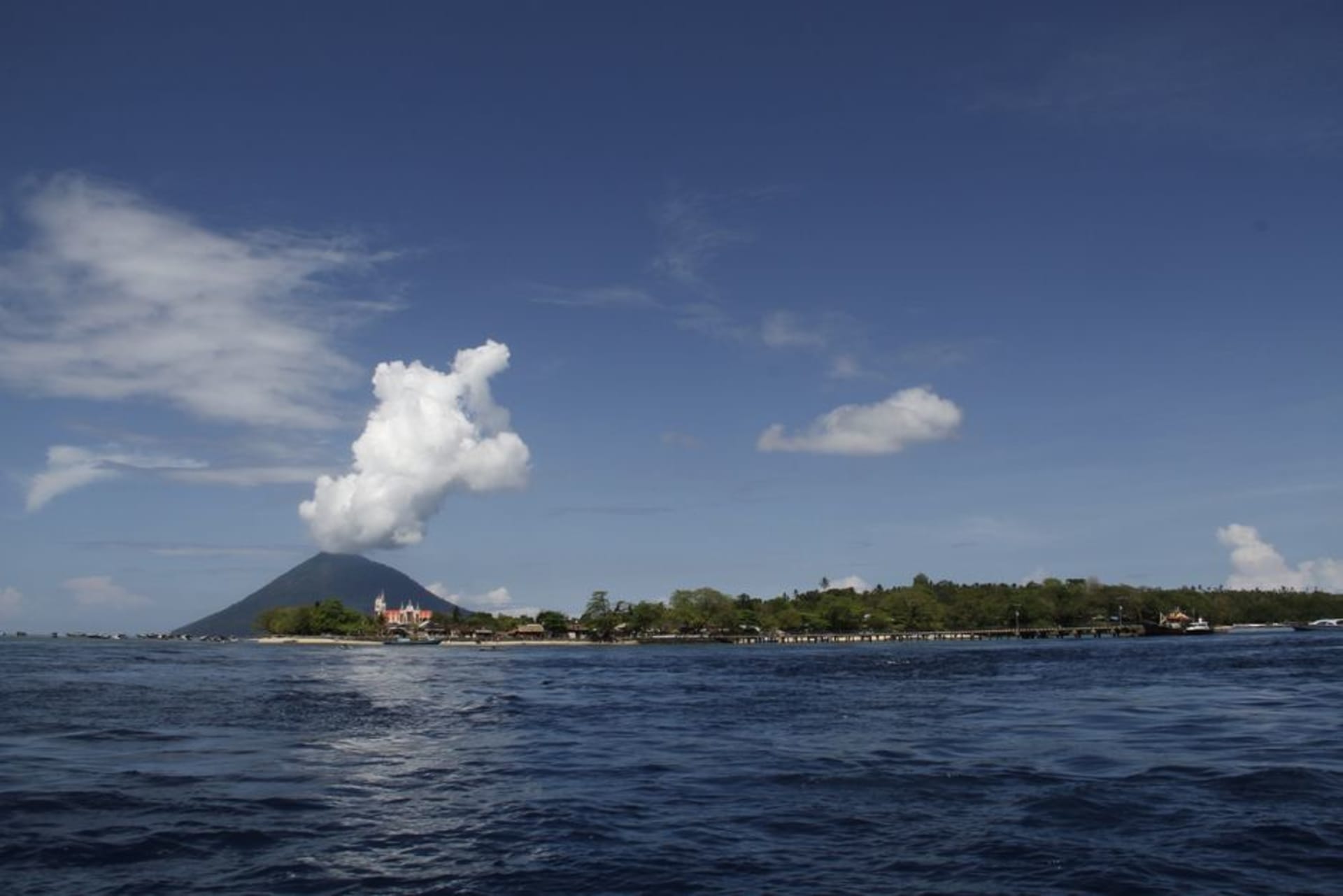
Nobody goes to Manado to see Manado. They go for what surrounds it: Bunaken’s wall dives, the Tomohon highlands, the crater lakes further inland. I did the same thing on my first pass through North Sulawesi and treated the city as a place to sleep between better destinations. It took a second trip, stuck for two extra days waiting out a ferry delay, for the city itself to win me over — not with beauty, exactly, but with the kind of unfiltered energy that a lot of more “scenic” places have sanded away.
Manado sits on a bay ringed by volcanoes, Mount Klabat and Mount Lokon both visible on clear days, and the city has been a trading crossroads since well before the Dutch arrived in the sixteenth century looking for spices. That trading history explains a lot about the place. It’s overwhelmingly Christian, unusually so for Indonesia — a legacy of Portuguese and then Dutch missionary activity that never took root the way Islam did elsewhere in the archipelago — and the church spires competing for the skyline alongside the mosques give the city a genuinely mixed texture you don’t feel as strongly in most of the country. The Minahasan people who form the ethnic backbone of the region have their own language, their own fierce culinary identity, and a directness in conversation that Javanese friends of mine find almost startling.
Eating your way through it
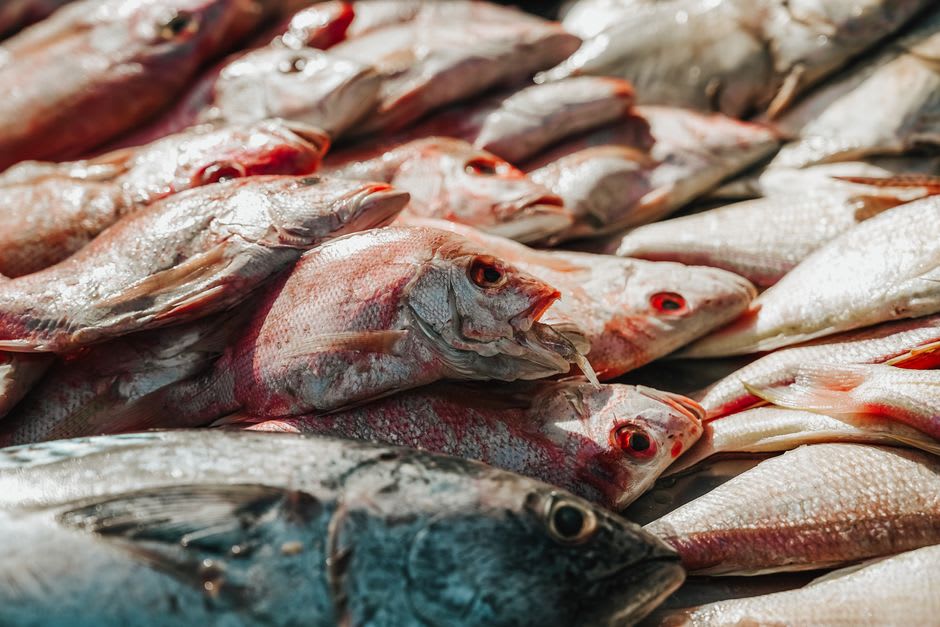
The food is the real argument for staying. Minahasan cuisine does not believe in restraint. Tinutuan, the rice porridge loaded with pumpkin, corn, cassava leaf, and spinach, is the breakfast of the city and a genuinely good one — I ate it most mornings from a cart near Wolter Monginsidi street and never got tired of it. Further into the day, things get more intense: rica-rica dishes built on a paste of chilies, shallot, garlic, and ginger torch flower that goes onto everything from chicken to squid to, famously, dishes that squeamish visitors might want to ask about before ordering, since Minahasan markets sell bat, dog, and python alongside the more familiar proteins. Pasar Bersehati, the main wet market downtown, is not a place I’d recommend to anyone with a delicate stomach for what’s on display, but it’s one of the most honest windows into how a place actually eats that I found anywhere in Sulawesi.
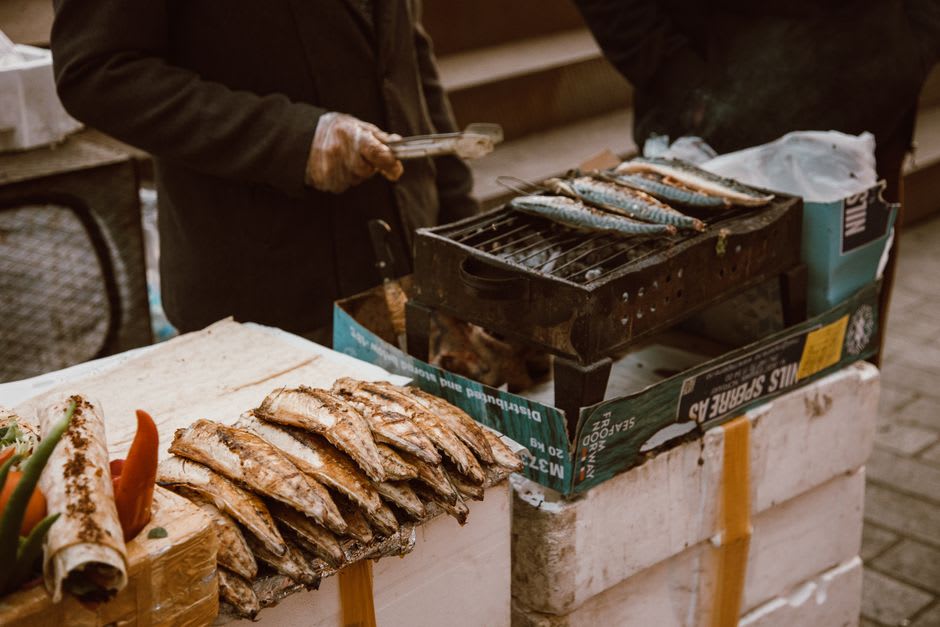
Malalayang beach, on the city’s southern edge, fills up every evening with grilled-fish vendors setting up shop right on the sand, plastic stools scattered around charcoal braziers, the whole strip thick with smoke and the smell of grilled tuna belly by six. I went three nights running. Watching the sun drop behind the silhouette of Manado Tua island offshore, a small volcanic cone that anchors the bay’s western horizon, with a plate of ikan bakar and a cold Bintang in front of me, did more to change my opinion of this city than any tourist attraction could have.
Manado’s traffic is relentless, its heat is a physical weight by midday, and its architecture is mostly unremarkable concrete sprawl. None of that is the point. The point is a city that has been absorbing outsiders — Portuguese, Dutch, Chinese, Arab traders, and now backpackers headed to the reefs — for five hundred years and never bothered changing its own habits to accommodate any of them.
When to go: Year-round works, since the equatorial climate barely shifts, but May to October avoids the heaviest rains and pairs naturally with a Bunaken diving trip.