Kupang
"Kupang is the end of one country and, if you squint at the map, nearly the start of another."
The dusty, sun-blasted capital of West Timor, closer to Darwin than to Jakarta, where the sunsets over the strait are unreasonable and the history is tangled up with Captain Bligh.
There’s a geographical fact about Kupang that reframed the whole trip for me: this city sits closer to Darwin, Australia, than it does to Jakarta. Standing on the seafront at Pantai Lasiana watching container ships move through the Timor Strait, that felt viscerally true — the light, the heat, the flat scrubby hinterland behind the coast, all of it had more in common with the Top End than with the volcanic drama of Java or Bali. Kupang is the capital of East Nusa Tenggara province and the largest city on Timor island, but it wears its remoteness openly. This is a frontier town, not a resort.
Bligh’s landfall
The detail that hooked me before I’d even booked a flight was Kupang’s connection to William Bligh. After the mutiny on the Bounty in 1789, Bligh and eighteen loyal crew were set adrift in a 23-foot open launch with almost no supplies. They survived an astonishing 47-day, nearly 6,700-kilometer voyage across the Pacific, threading between hostile islands and near-starvation, and the place they finally made landfall — battered, half-starved, but alive — was the Dutch colonial outpost of Kupang. I went looking for a marker or a plaque and mostly found shrugs; it’s a footnote here, not a tourist industry, which somehow made standing on that same waterfront more affecting, not less.
A city of crossed currents
Kupang’s character comes from centuries of people passing through or being pushed here. The Dutch held it as a VOC trading post from the 17th century, valuing it for the sandalwood trade that once made Timor famous across Asia. Portuguese influence lingers in the Catholic majority — unusual in Muslim-majority Indonesia, and a reminder that Timor was long split between Dutch and Portuguese colonial spheres, a division whose modern echo is the independent nation of Timor-Leste just across the island. Add in Rote and Sabu islanders, Timorese highlanders, and Bajau sea-nomad communities along the coast, and Kupang’s markets hum with a mix of languages I couldn’t begin to sort out.
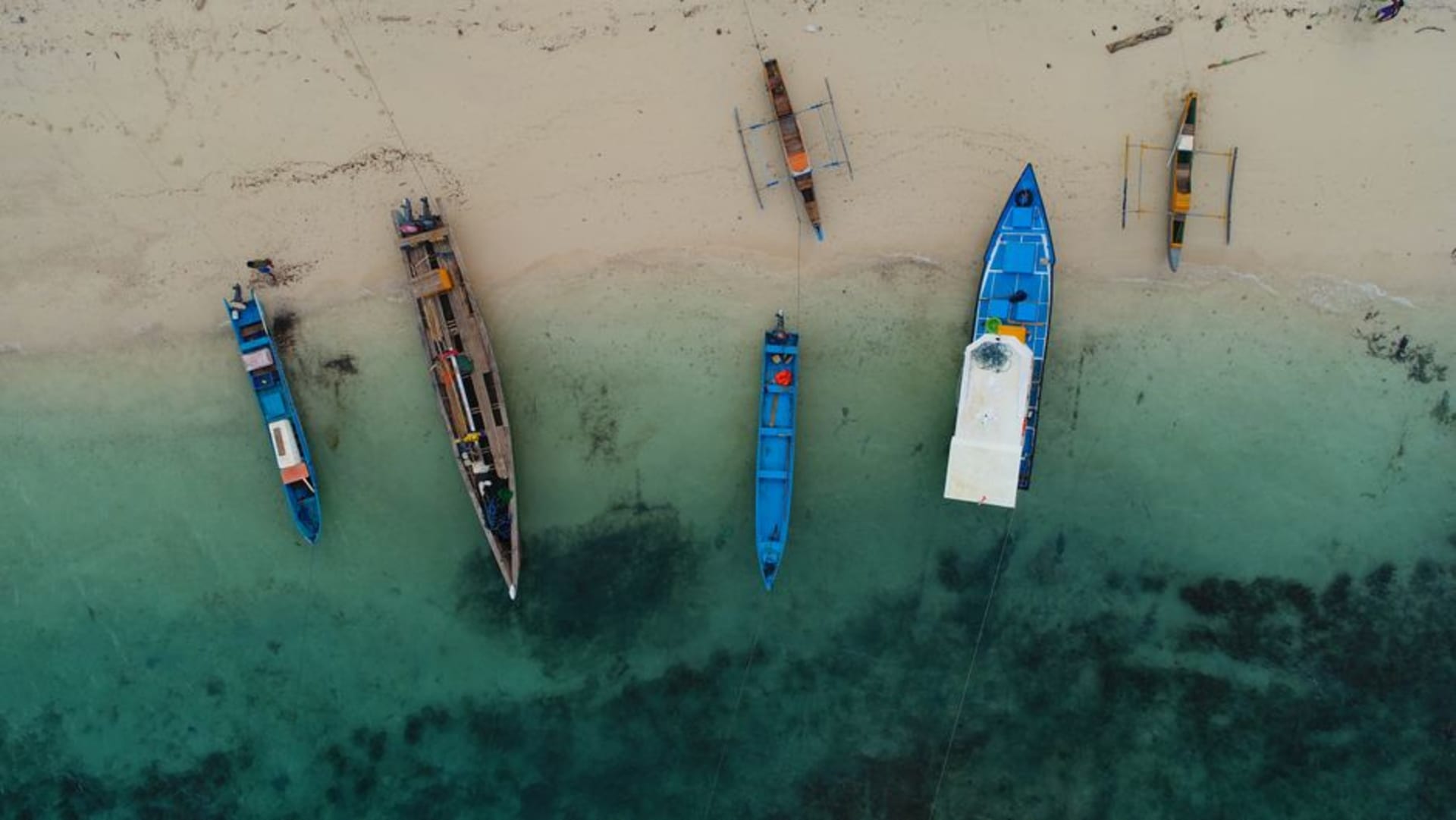
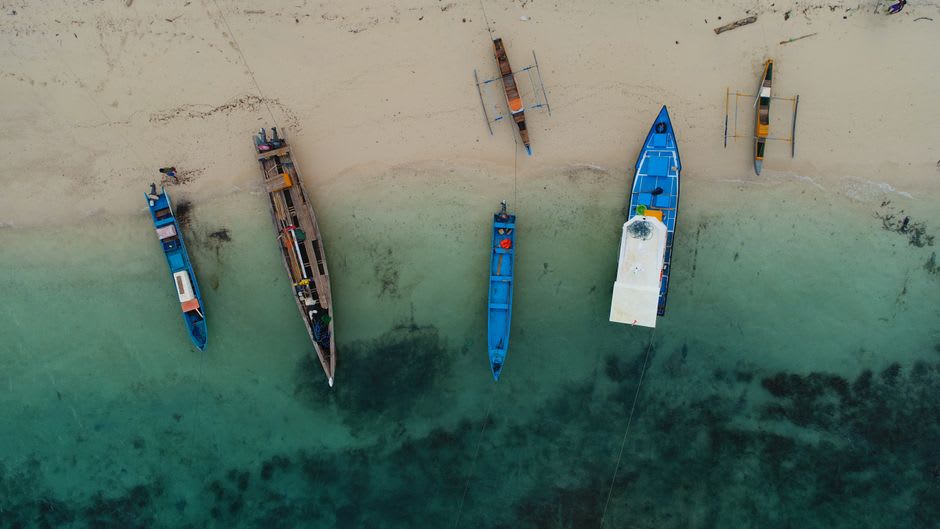
The city’s sunsets have a minor local fame, and they earned it. I sat most evenings at Lasiana Beach or on the sea wall near the old harbor, watching the sun drop into the strait in a wash of orange that silhouetted the outrigger fishing boats heading back in for the night. It’s not a subtle sunset. Nusa Tenggara doesn’t really do subtle.
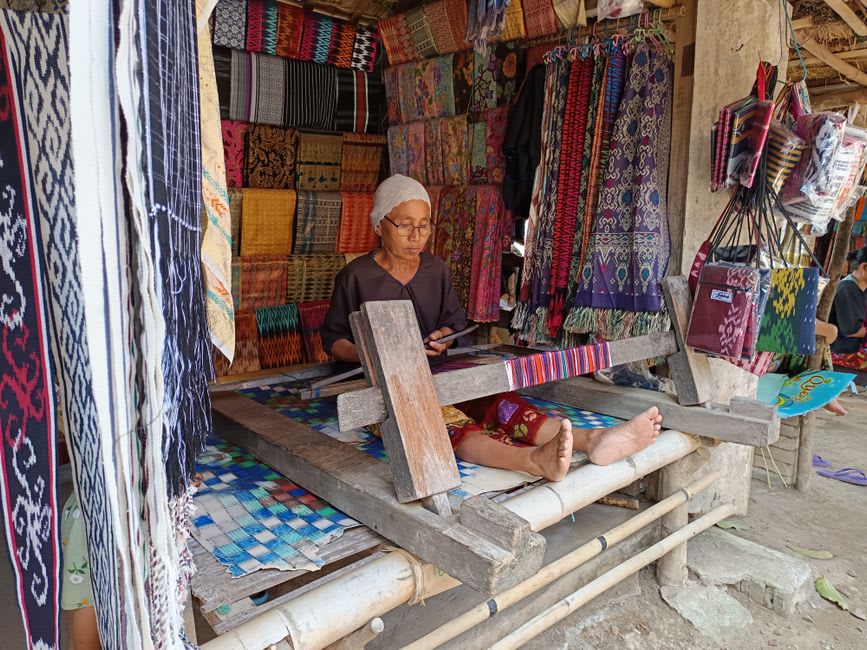
Outside the city, the hinterland opens into savanna dotted with lontar palms, and villages producing the region’s distinctive ikat weaving — Timorese textiles have their own bold, motif-heavy style, different again from what I’d seen in Flores. Kupang itself isn’t a city that asks to be lingered over; it’s dusty, humid, and functional. But it’s an honest introduction to a corner of Indonesia that most travelers never see, and that Bligh detail never quite left me.
When to go: May to October, the dry season, avoids the region’s heaviest heat-and-humidity combination and keeps roads into the Timorese hinterland passable.