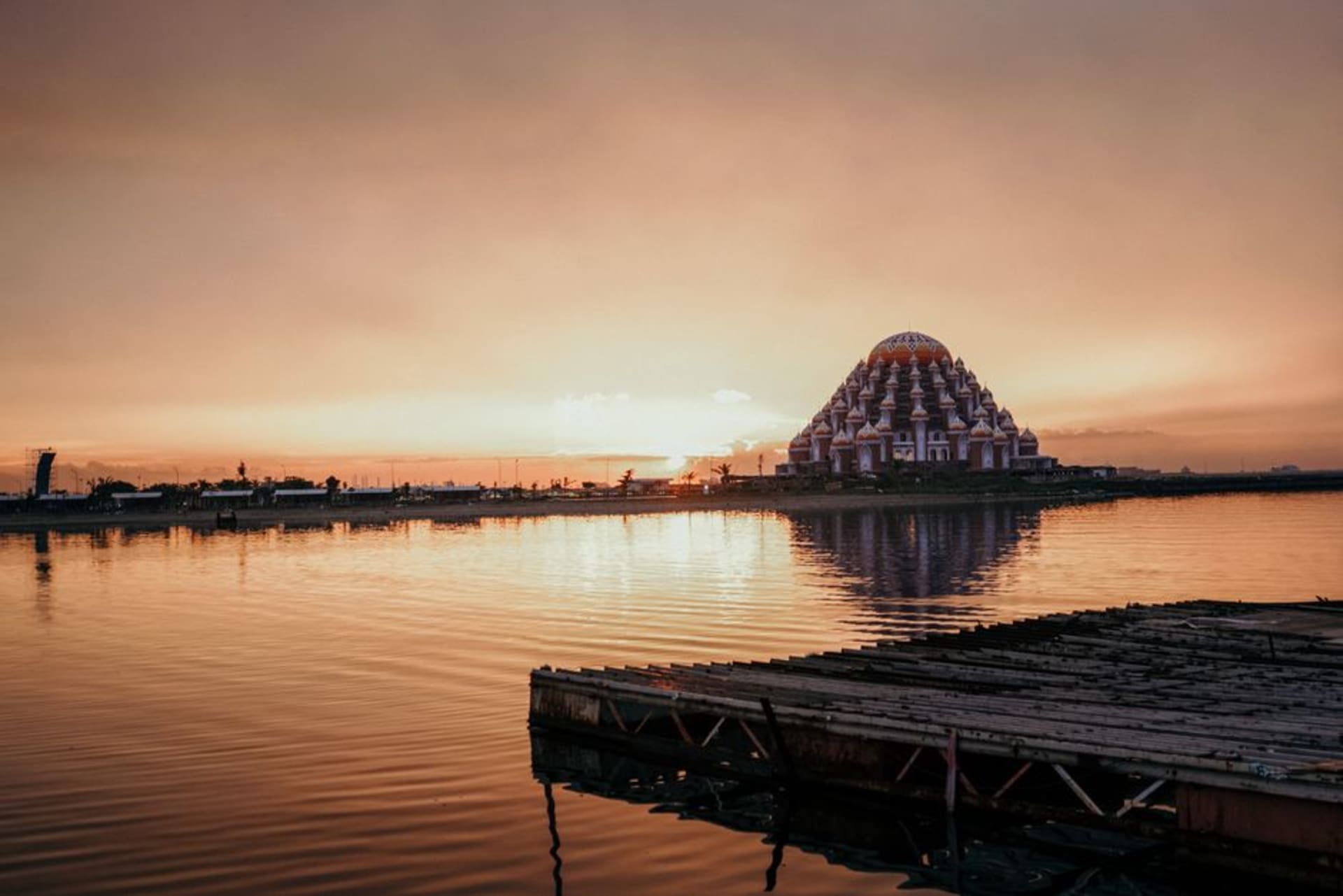
Kendari
"A city most travelers only pass through on the way to Wakatobi — which is exactly why I stopped."
A harbor city built around a bay so calm it looks landlocked, with the wild coastline of Southeast Sulawesi unspooling in every direction from its edges.
Kendari is the kind of place that exists on itineraries mostly as a transit point — the airport you fly into before catching a boat further out to Wakatobi’s reefs, or the last real city before the road disappears into Southeast Sulawesi’s interior. I get why people move through fast. But I stayed three days longer than planned, mostly because Kendari Bay itself turned out to be worth the time: a body of water so enclosed by the surrounding hills that it reads more like a lake, ringed by a city that has built its entire identity around the waterfront without ever quite becoming a resort town about it.
The bay is the center of everything here, practically and symbolically. Fishing boats — the same brightly painted wooden hulls you see across Sulawesi’s coasts — cluster at the old harbor, unloading tuna and reef fish onto docks where the trade happens fast and loud in the early morning. In the evening, the waterfront promenade along Jalan MT Haryono fills with families eating grilled fish and drinking es kelapa muda as the light goes orange over the water and the Bahteramas Bridge — Kendari’s answer to a landmark, a long cable-stayed span crossing the bay’s mouth — lights up. It’s not a dramatic skyline. It’s a comfortable one, the kind of place where the evening ritual of walking the waterfront matters more than any single sight.
The Tolaki Heartland
Southeast Sulawesi is Tolaki and Buton and Muna territory, distinct from the Bugis-Makassar culture that dominates the south of the island, and Kendari carries that identity even as a fairly modern provincial capital. The Tolaki people, the original inhabitants of the Kendari area, have their own adat structures and a history of resistance to Dutch control that locals still talk about with pride — the region wasn’t easily subdued, and that friction shaped how loosely the Dutch ever actually governed this coast compared to more centralized parts of the archipelago.
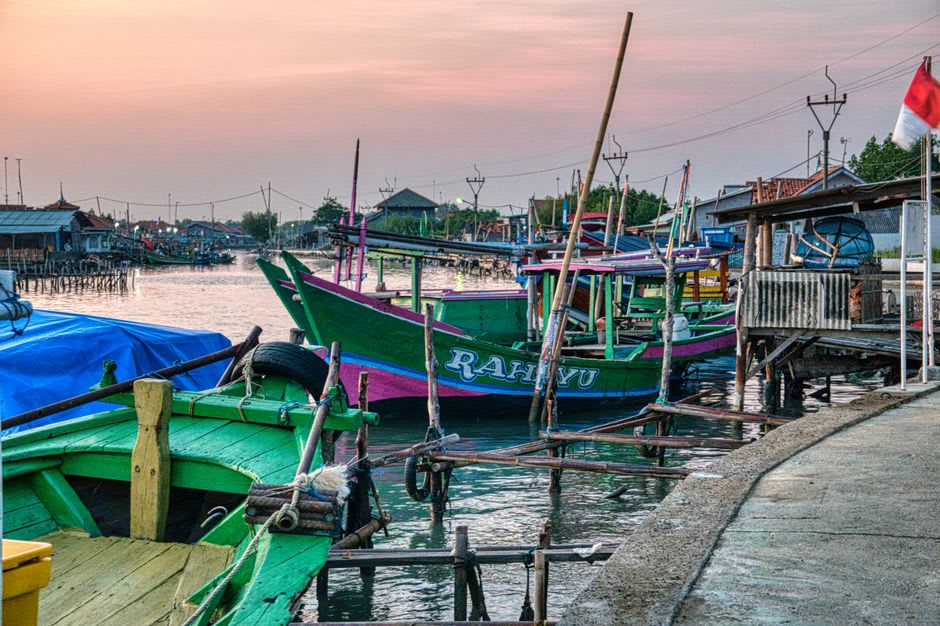
A short trip out of the city center takes you to Nambo Beach or the mangrove boardwalks that wrap sections of the bay’s edges, where the ecology of Kendari’s coastline becomes obvious — this is one of the more biologically rich stretches of coast in Sulawesi, feeding into the wider Wakatobi marine system that UNESCO recognized as a biosphere reserve for its extraordinary coral diversity. Even without diving, walking the mangrove boardwalks near sunset, watching mudskippers flick across the exposed roots and fiddler crabs wave their oversized claws in territorial disputes nobody else seems to notice, is its own quiet reward.

Why Bother Stopping
Most people treat Kendari as a logistics problem to solve on the way to somewhere flashier. I understand the instinct, but the city rewarded slowing down — the seafood markets, the bay walks, the sense of a mid-sized Indonesian city going about its life without a tourist economy shaping its rhythms. It’s not a place with a single unmissable sight. It’s a place that’s pleasant to simply be in for a couple of days before the boats out to the reefs pull you further offshore.
When to go: April to October for calmer seas if you’re using Kendari as a jumping-off point to Wakatobi or the outer islands; the bay itself and the waterfront are pleasant nearly year-round, though afternoon downpours are common from December through March.