Vadodara
"Vadodara has a palace bigger than Buckingham Palace and somehow still feels like the city's best-kept secret."
Gujarat's cultural capital, where a palace larger than Buckingham Palace still houses the descendants of the Gaekwad dynasty and a garden hides one of Asia's oldest zoos.
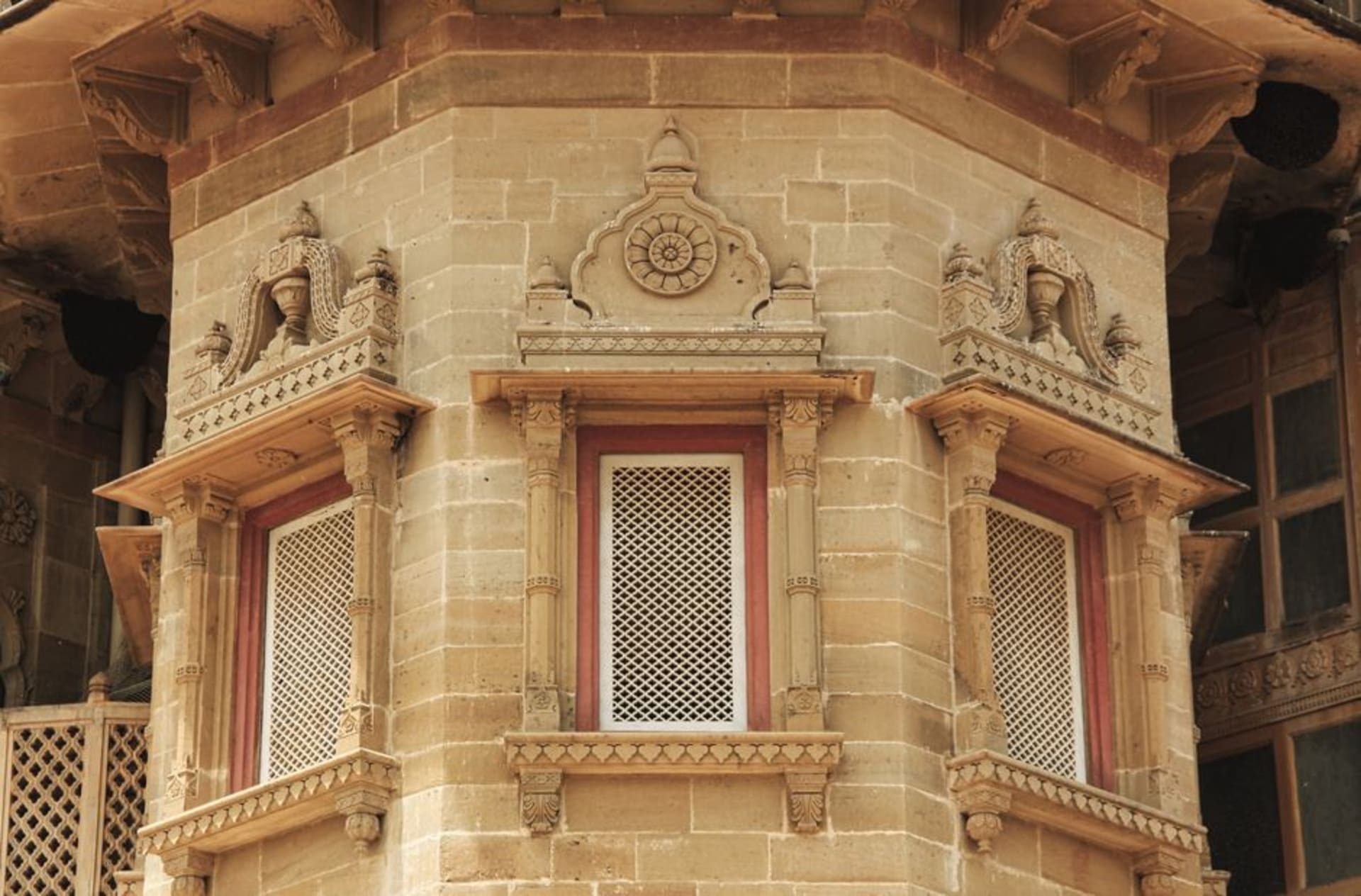
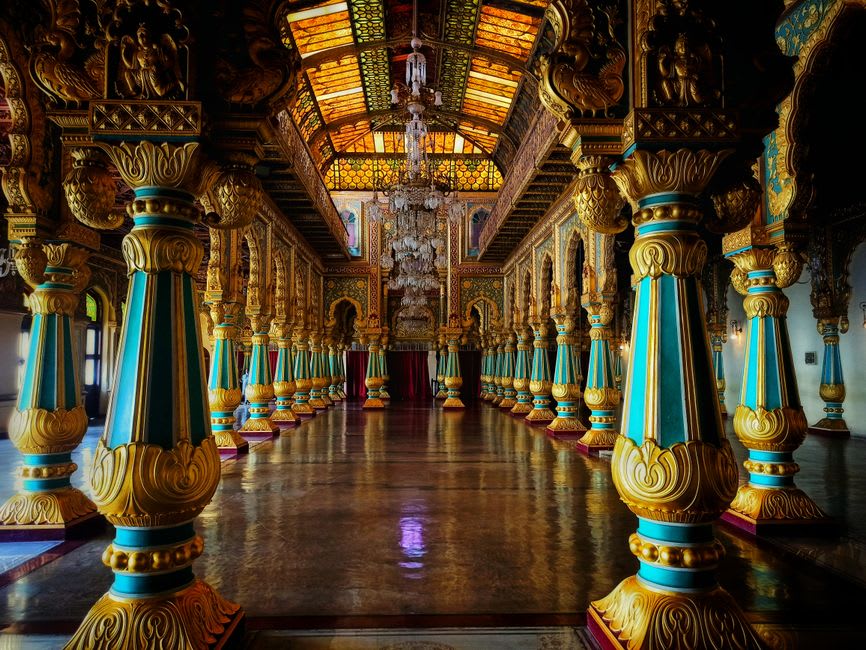
The guard at the gate told me the number before I’d even asked, clearly used to the reaction it gets: Laxmi Vilas Palace covers roughly four times the floor area of Buckingham Palace, and it is still, remarkably, a private residence of the Gaekwad family, the former Maratha rulers of Baroda state. Completed in 1890 for Maharaja Sayajirao Gaekwad III in a lavish Indo-Saracenic style designed by British architect Major Charles Mant, it mixes Rajput domes, Mughal arches, and Venetian mosaics into a facade so dense with detail that I found myself stopping every few meters on the walk up the drive. Inside, the durbar hall’s floor is laid with Venetian glass mosaic tiles, and Belgian stained-glass windows scatter colored light across armor collections and Raja Ravi Varma paintings that the Gaekwad rulers, some of the most progressive and reform-minded princely rulers in India’s colonial-era history, commissioned directly.
A maharaja who built a modern city
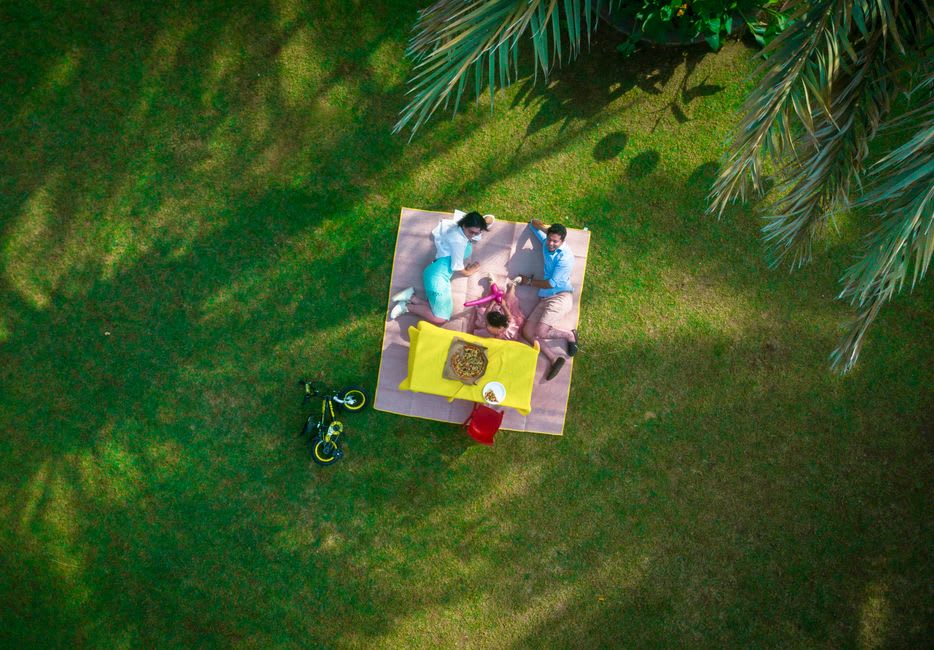
Sayajirao Gaekwad III’s legacy is the real reason Vadodara feels different from other mid-sized Gujarati cities — he poured the state’s wealth into libraries, schools, and museums with an unusual, deliberate modernizing instinct for his era. Sayaji Baug, the sprawling public garden he commissioned in the 1870s, still anchors the city center today, and it holds one of India’s older zoos, a planetarium, and the Baroda Museum & Picture Gallery, modeled loosely on London’s Victoria and Albert Museum, with an Egyptian mummy in its collection that seems entirely improbable until you remember how much the Maharaja traveled and acquired. I spent a slow Sunday afternoon in Sayaji Baug watching Vadodara families picnic under gulmohar trees, kids feeding the toy train that circles the park, completely unbothered by the fact that a maharaja’s museum sat thirty meters away.
Vadodara’s musical heritage runs just as deep — the Gaekwad court was a serious patron of Hindustani classical music, and the city’s annual Sur Sadhana and various classical festivals still draw performers from across India. I ended up, by pure luck, at a small evening raga performance in a courtyard near the palace, maybe forty people seated on cushions, no amplification needed, the tabla and sarangi filling a space that felt built specifically for that kind of intimacy.
When to go: November through February for comfortable sightseeing weather, ideally timed around one of Vadodara’s classical music festivals if you can find the dates in advance — they rarely get promoted outside Gujarat.