Udupi
"Every masala dosa you've ever eaten anywhere in the world is, somewhere in its lineage, an Udupi dosa."
The small temple town that quietly invented the vegetarian food most of India eats every day, without ever seeming to notice its own influence.
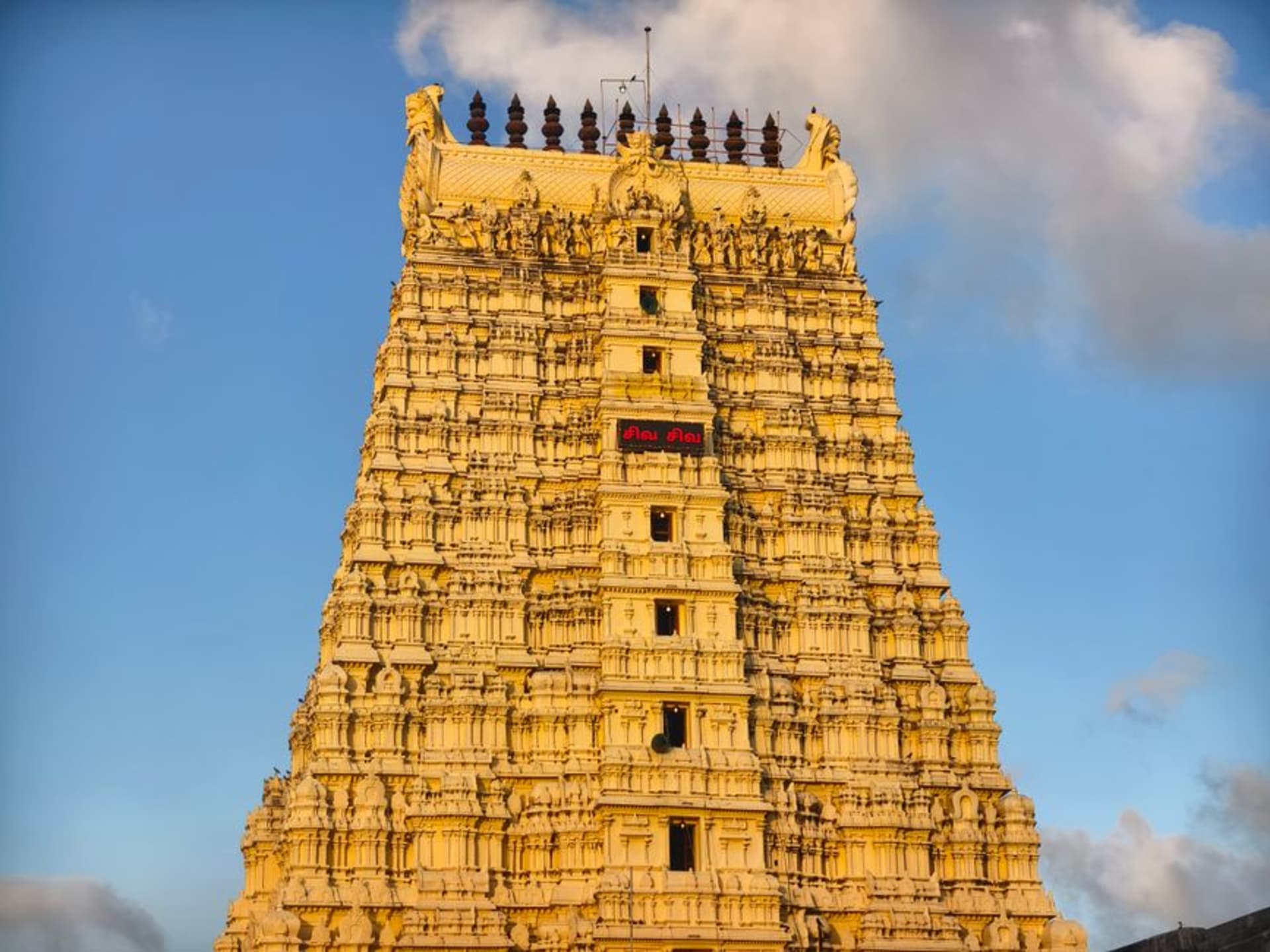
I’d eaten “Udupi food” for years before I ever set foot in Udupi — in Bangalore diners, in a strip-mall place back home that called itself an Udupi restaurant without much explanation of what that meant. Standing outside Sri Krishna Matha for the first time, I finally understood: this small temple town on the Konkan coast is the actual origin point of the vegetarian cuisine style — dosa, idli, sambar, filter coffee — that spread out from here across South India and eventually the world, carried by Udupi cooks who left home to run hotels in Bombay and Bangalore a century ago and never stopped calling their food by the town’s name.
The Krishna Matha itself is the reason the town exists at all. Founded in the 13th century by the philosopher-saint Madhvacharya, it houses an idol of Krishna as a child, and worship here follows a ritual so specific it has its own famous architectural quirk: the Kanakana Kindi, a small silver-plated window on the temple’s side wall through which devotees view the deity. The story behind it involves Kanaka Dasa, a saint-poet from a lower caste barred from entering the temple in the 16th century, who stood outside and sang with such devotion that the temple wall is said to have cracked open a window for him, and the idol inside supposedly turned to face it. Whatever the literal truth, the window is still there, still used, still central to how Udupi understands its own history of devotion overriding hierarchy.
Eating Where It Started
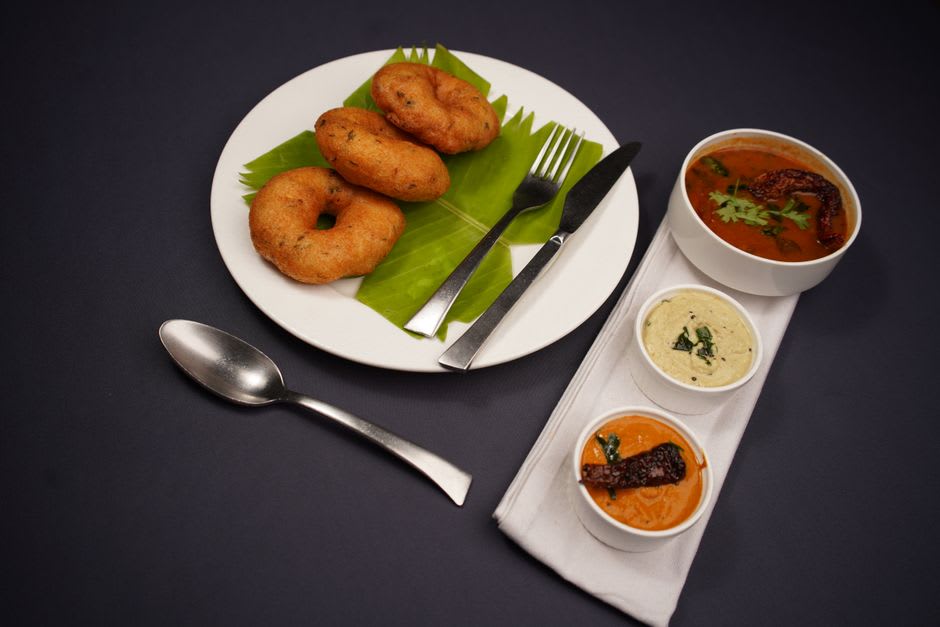
I ate at one of the temple-adjacent hotels that has been serving the town’s pilgrims for generations — communal seating on the floor, banana leaf instead of a plate, and a meal served in careful sequence by a server moving down the row with a bucket, ladling out sambar, then rasam, then a vegetable curry, then more rice than I could reasonably finish. The dosa, when it arrived separately, was thin, enormous, and crisped at the edges in a way I hadn’t managed to find replicated anywhere else on the coast, served with a coconut chutney whose green chili heat crept up slowly rather than announcing itself.
The Coast Beyond the Temple
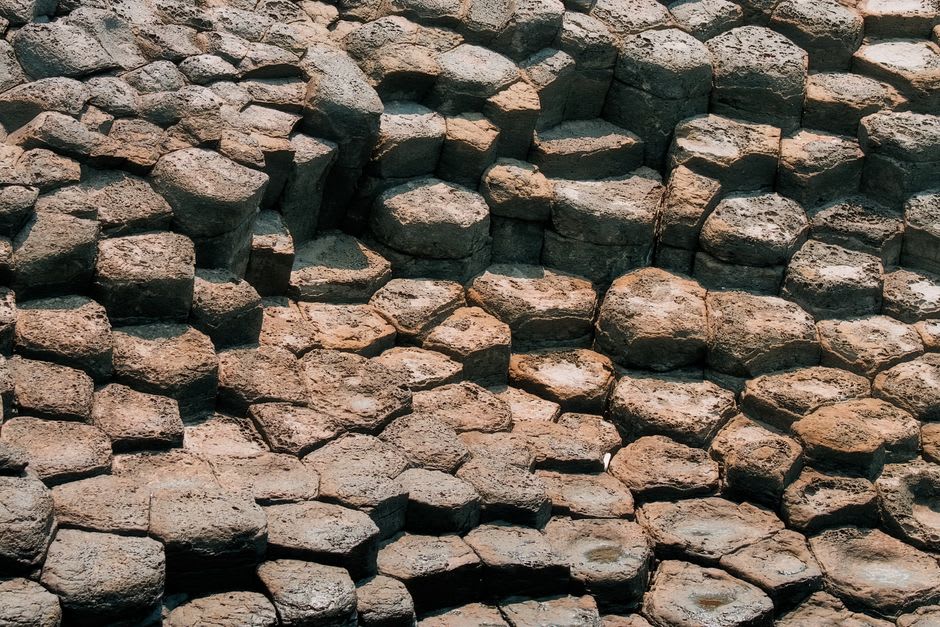
Udupi isn’t only a temple town. Malpe Beach, a short ride away, gave me an entirely different afternoon — fishing boats painted in the same saturated blues and yellows I’d later see up and down the Konkan coast, and a short boat ride out to St. Mary’s Island, where basalt rock has cooled into strange hexagonal columns that geologists apparently still argue about. I sat on the rocks eating peanuts bought from a vendor on the ferry dock, watching the fishing fleet head out as the light went orange, thinking about how a town this modest in size had managed to shape an entire subcontinent’s idea of what breakfast should taste like.
When to go: November to February for the most comfortable coastal weather, and try to time a visit around one of the temple’s ritual meal services to eat the way pilgrims have for centuries.