Somnath
"No building in India argues more persuasively that faith outlasts stone than Somnath."
The Shiva temple at the edge of the Arabian Sea that has been destroyed and rebuilt more times than any shrine in India, and stands today as proof that some places refuse to stay ruined.
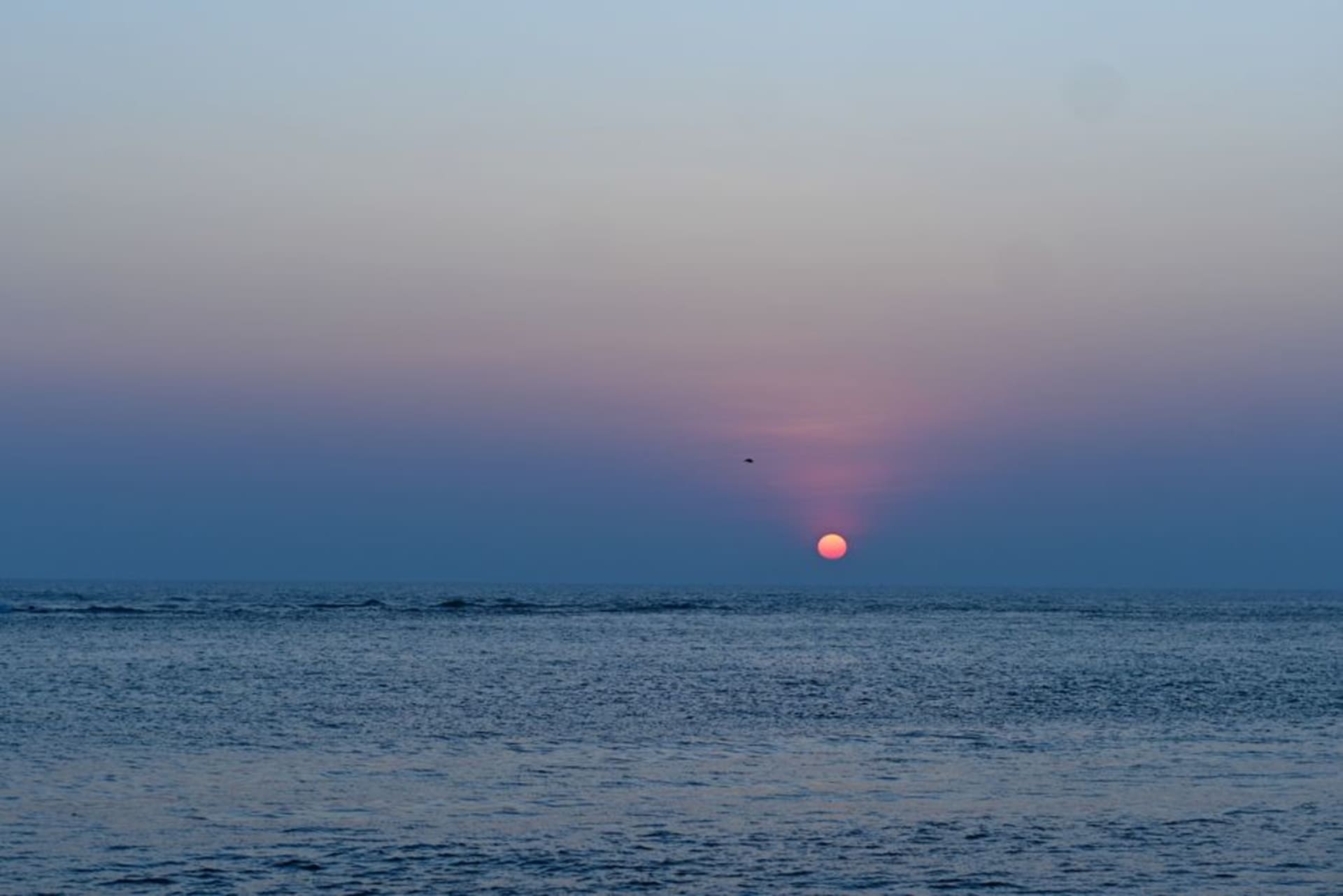
I got to Somnath in the late afternoon, when the light coming off the Arabian Sea turns the temple’s pale sandstone almost gold, and stood for a long time at the sea-facing boundary wall before going inside. There’s a stone pillar there, the Bana Stambha, with an inscription noting that there is no land between this shore and Antarctica along that exact meridian — a small detail that somehow makes the temple’s position feel even more exposed, even more deliberately placed at the edge of everything.
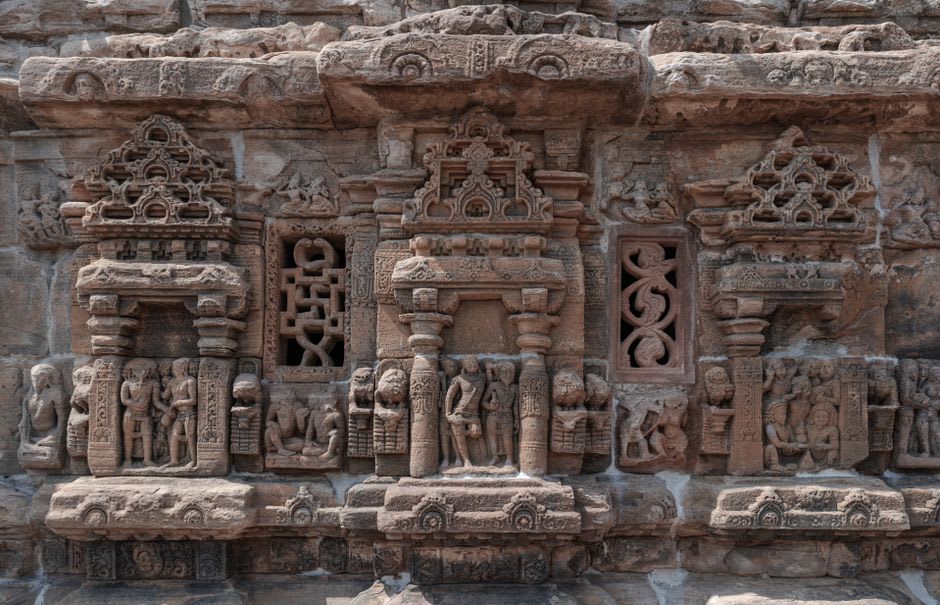
Somnath is one of the twelve Jyotirlingas, the most sacred Shiva shrines in Hindu tradition, and its history reads less like a temple’s biography and more like a record of an entire region’s turbulence. Ancient references place a shrine here from centuries before the common era; the structure that made it legendary was sacked in 1024 by Mahmud of Ghazni, who according to historical accounts carried off enormous wealth and destroyed the idol. That was neither the first nor the last time. Historians count at least six or seven major destructions and reconstructions across the following centuries, under various rulers, before the temple standing today was rebuilt after Indian independence — championed personally by Sardar Vallabhbhai Patel, with the foundation stone laid in 1947 and the current structure completed through the 1950s. Standing in front of it, what struck me wasn’t the architecture itself, handsome as it is in the Chalukya style, but the sheer stubbornness the site represents — a shrine leveled repeatedly across a thousand years and rebuilt every single time by people who refused to let the last version be final.
Evening on the shore
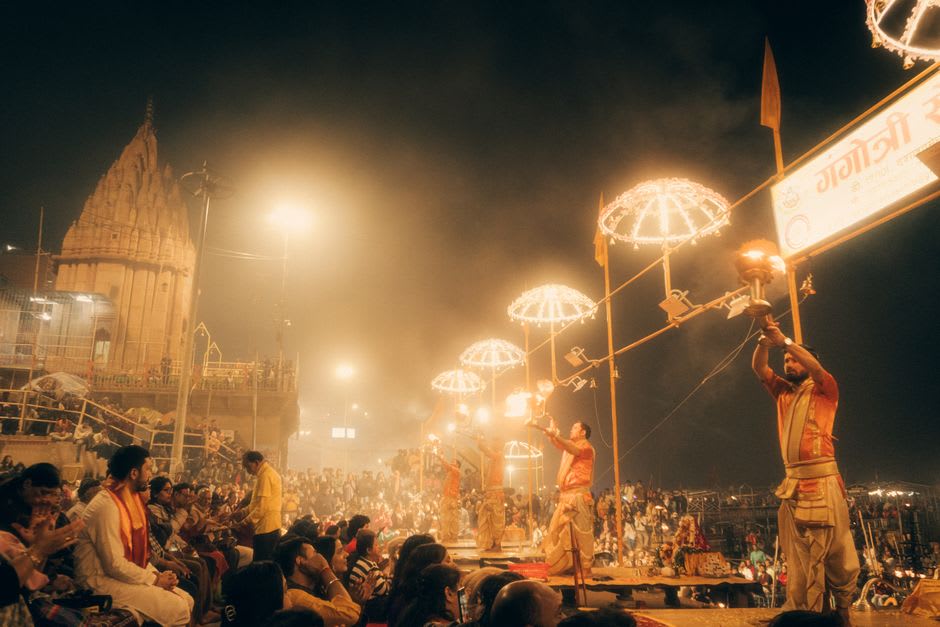
The temple runs a sound-and-light show most evenings, narrating this exact history against the temple’s own illuminated facade, and I watched it sitting on the sea wall with a crowd of families, the waves audible just behind the narration. Afterward I walked along the shoreline path connecting Somnath to the nearby Triveni Ghat, where three rivers are believed to meet the sea, and found small groups of pilgrims performing rituals for deceased relatives at the water’s edge by lantern light, the temple’s spire lit up behind them against a fully dark sky.
When to go: October through March for cooler coastal temperatures and calmer seas — Shivratri in late winter draws enormous crowds and is worth timing for if you don’t mind sharing the shrine with tens of thousands of others.