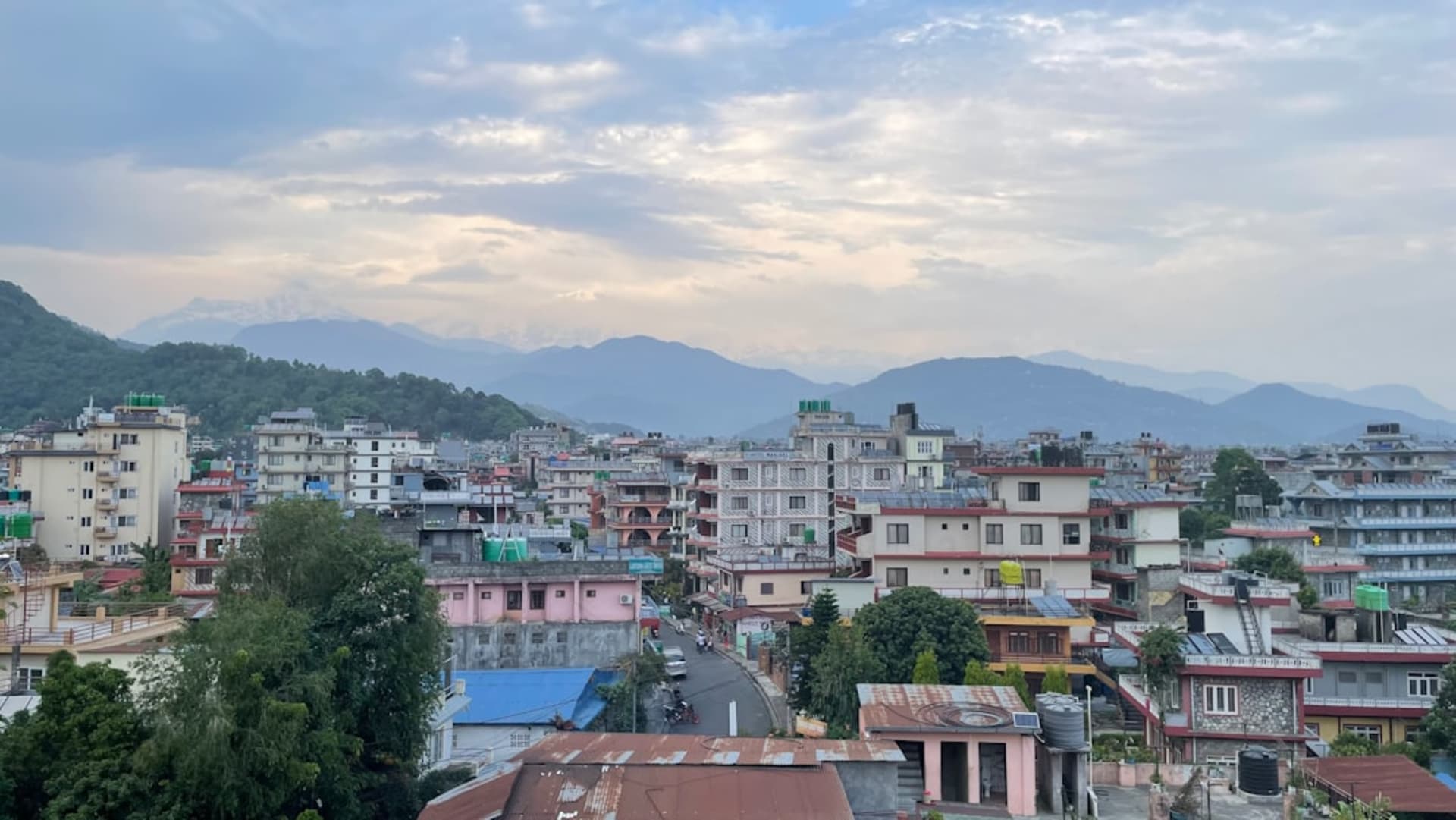
Shimla
"The British built themselves a fake England in the Himalayas, and somehow it's still standing."
The former summer capital of the British Raj, strung along a Himalayan ridge with a toy train, a timber-framed Mall Road, and the fading grandeur of an empire that left but never quite packed up.
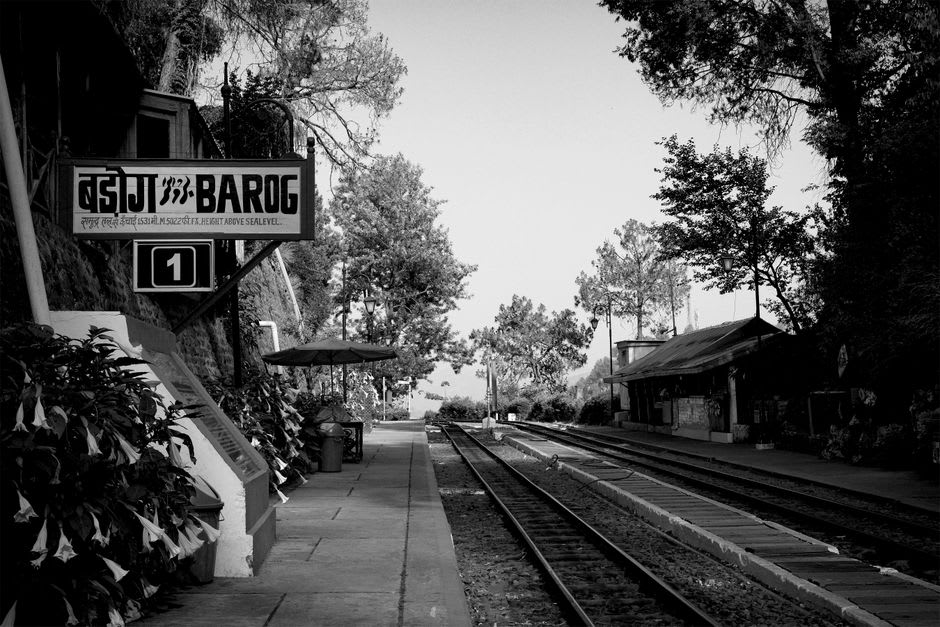
The Kalka-Shimla train climbs for almost five hours to cover a hundred kilometres, threading through 103 tunnels and over 800-odd bridges, and I spent most of that ride with my head out the window like a dog, because the alternative — watching the switchback road below through a coach window — seemed like a waste of the whole point. The train arrived into Shimla station in a wash of pine-scented cold air, and I understood immediately why the British, sweating through Calcutta summers in wool suits, decided this ridge at 2,200 metres was worth the logistical nightmare of moving the entire government of India here every year for six months.
Mall Road is the spine of the place, and it is deliberately, defiantly colonial — timber-framed shopfronts, a Gaiety Theatre still staging plays, a Christ Church whose neo-Gothic spire would look at home in a Sussex village, all sitting improbably on a ridge above deodar forest in the western Himalayas. No cars are allowed on the Mall, so the whole scene has a strange, hushed, Edwardian quality: porters, walkers, monkeys on the railings, and the low murmur of a town built entirely for a colonial government’s summer holiday.
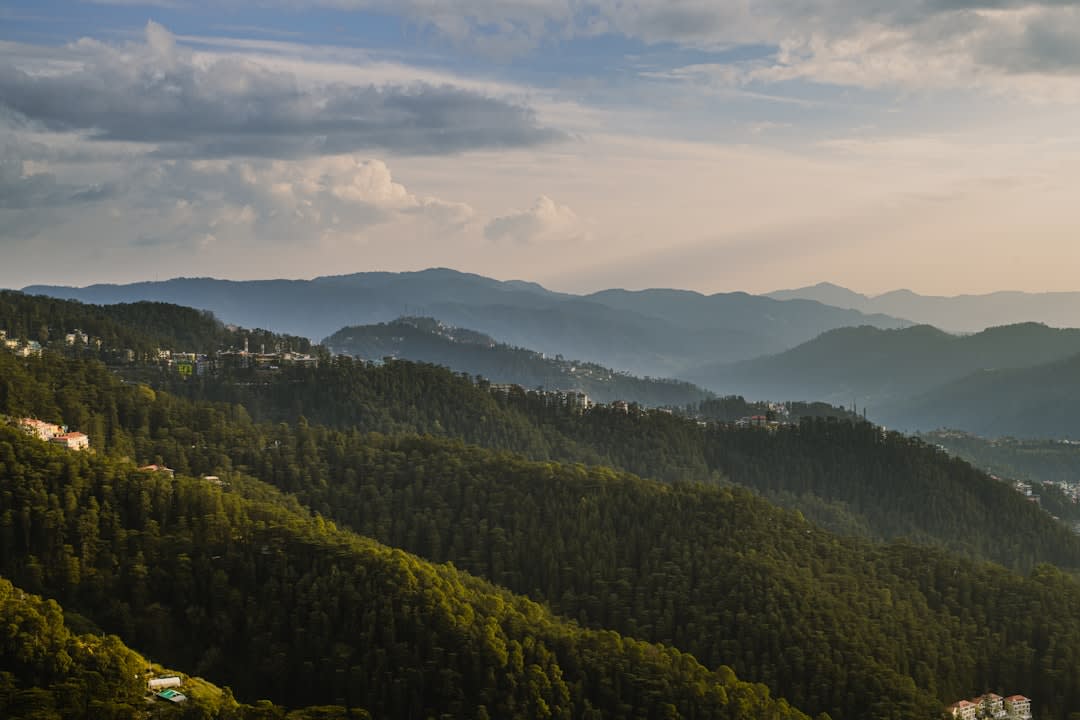
The town that ran an empire from a hill station
For half the year, from around 1864 to 1939, Shimla effectively was the capital of British India — the Viceroy, the army command, and the entire civil bureaucracy decamped here from Delhi and Calcutta to escape the plains heat, which meant an empire covering a fifth of the world’s population was, for months at a stretch, being administered from a ridge with a population smaller than a large Indian neighborhood. I found that fact almost funny standing outside the Viceregal Lodge, a grey stone pile at Observatory Hill that looks like a Scottish baronial castle got lost and ended up in the Himalayas — because that is more or less exactly what happened. It was here, inside those wood-panelled rooms, that partition of India was discussed in 1945, and the weight of that history sits oddly against the mountain views from its terrace.
I ate roasted corn from a cart on the Ridge one evening, watching the lights of the lower town flicker on below like a second, inverted sky, and got talking to a shopkeeper whose family had sold shawls on this same stretch of Mall Road for four generations — through the Raj, through independence, through the tourist boom. He said Shimla people think of the British period the way you’d think of a difficult but formative flatmate: gone now, but you still use half the furniture they left behind.
When to go: April to June for pleasant days before the monsoon, or September to November for clear skies and cool nights. December brings snow and a very different, quieter Shimla if that’s what you’re after.