Shillong
"The first Indian city where I heard a garage band cover Bob Dylan better than the original."
Meghalaya's hill capital where colonial pines, Khasi matriliny, and a genuine live-music obsession earned it the nickname Scotland of the East.
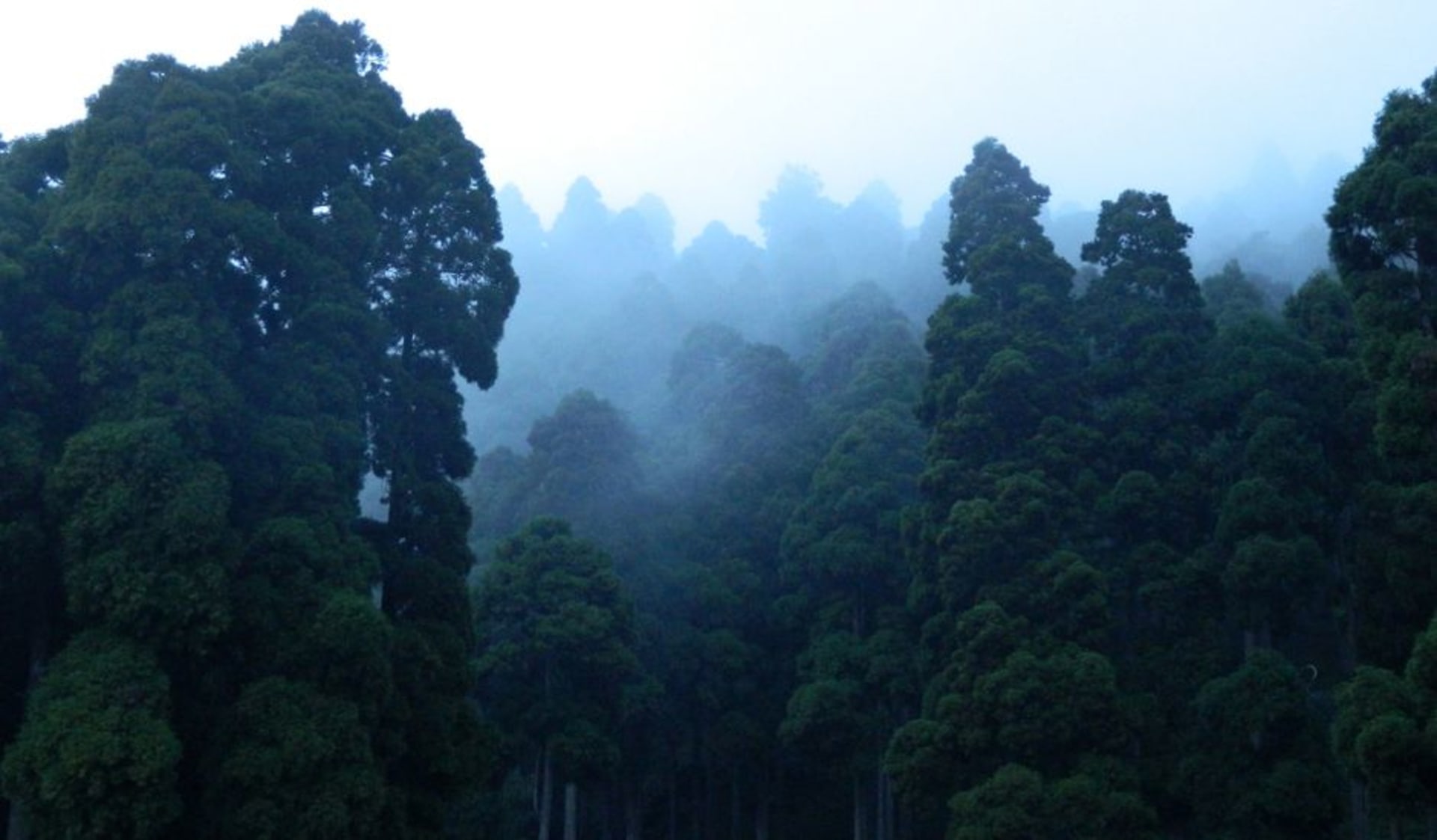
I arrived in Shillong on a bus from Guwahati that climbed for three hours through pine forest and switchbacks, and by the time we reached the top the air had changed entirely — cool, faintly resinous, nothing like the Brahmaputra plains I’d left behind. The British called this the “Scotland of the East” in the nineteenth century, homesick colonial administrators projecting their highlands onto Khasi hills, and it’s a lazy comparison that has nonetheless stuck for over a hundred years because it isn’t entirely wrong. Rolling green ridges, pine forest, a damp mist that rolls in most afternoons — it does look like nowhere else in India.
What the Scotland nickname misses is everything that actually makes Shillong itself: it’s the cultural capital of the Khasi people, one of the few major matrilineal societies left in the world, where property and clan name pass down through the mother’s line and children take their mother’s surname. I spent an evening talking with a homestay owner named Iarington about what that actually means in practice — inheritance, marriage negotiations, who moves in with whose family — and it dismantled almost everything I’d assumed a “traditional” Indian family structure looked like.
Ward’s Lake and the sound of the city
Ward’s Lake sits in the middle of town, a horseshoe-shaped colonial-era lake with a wooden bridge and manicured paths, built by the British but now thoroughly a Shillong institution — old men doing tai chi at dawn, couples renting paddle boats by afternoon, a small Japanese-style garden at one end that nobody can quite explain the origin of. I walked its full loop twice, once at sunrise when the water held a perfect still reflection of the surrounding pines, and once in the evening when local families took over every bench.
But the thing that actually surprised me about Shillong was the music. This is, improbably, one of the rock capitals of India — a city with a genuine, decades-deep garage-band culture, guitar shops on every second block, and kids who grew up on Dylan, the Beatles, and Elvis passed down through generations of missionary-school music teachers. I ended up in a bar called Cloud 9 on a Thursday night watching a four-piece Khasi band play a Hendrix cover so tight and unselfconscious that the whole room sang along in English. Nobody was doing it for tourists. There were no tourists. It was just Thursday.

The food surprised me too — Khasi cuisine leans on rice, pork, smoked meats, and fermented bamboo shoot rather than the curries I’d been eating everywhere else, closer in spirit to Southeast Asian cooking than to mainland Indian food. I had jadoh, a rice dish cooked in pig blood and spices, at a small family-run stall near Police Bazaar, and it tasted like nothing I’d eaten anywhere else on the subcontinent.
When to go: October to April for the clearest skies and driest weather — the monsoon (June to September) brings heavy, near-daily rain that can strand you indoors for days. Winter mornings get genuinely cold, so bring a jacket you wouldn’t normally pack for India.