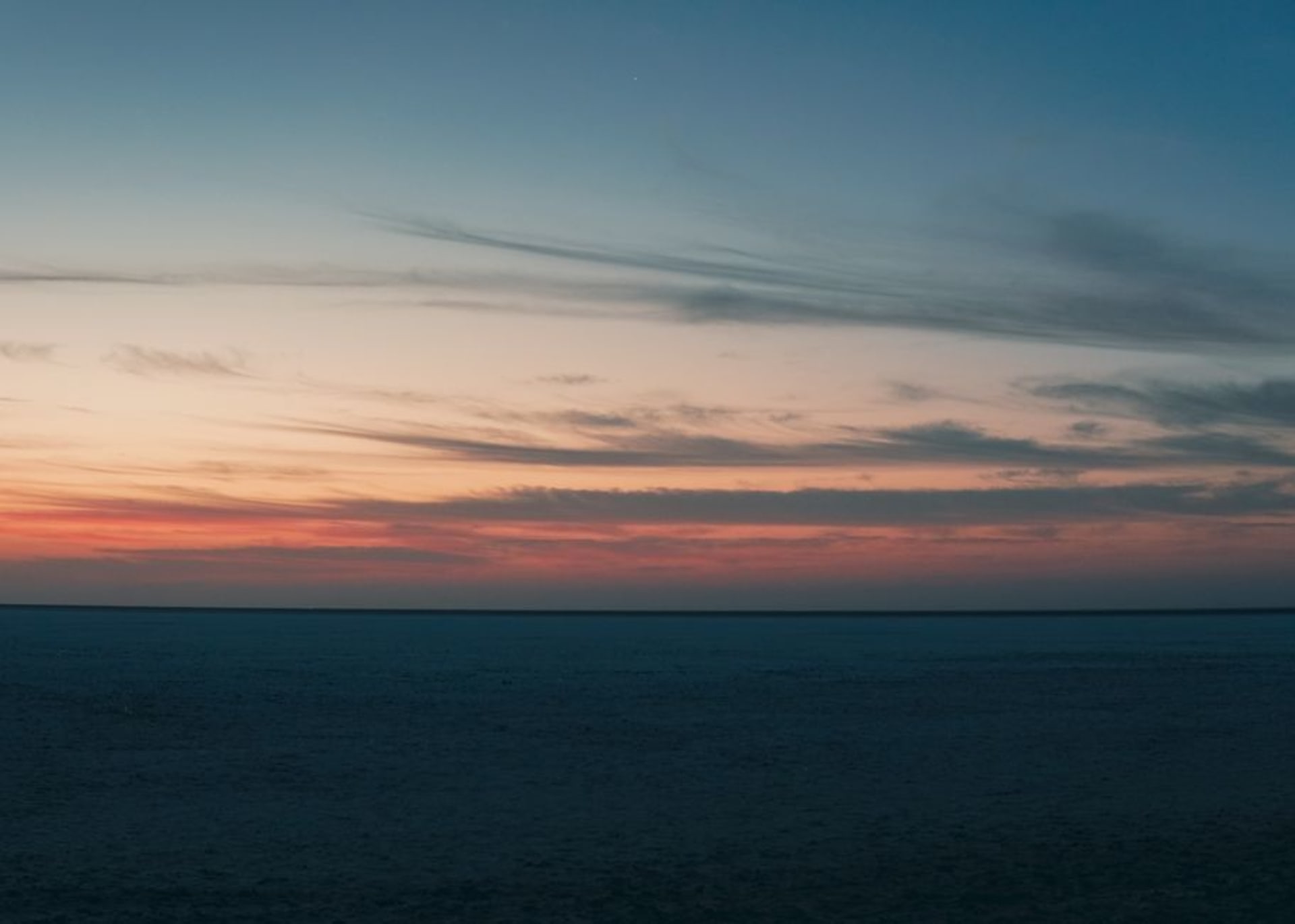
A white salt desert so vast it erases the horizon, best seen under a full moon during the Rann Utsav, alongside villages that have embroidered their history into cloth for centuries.
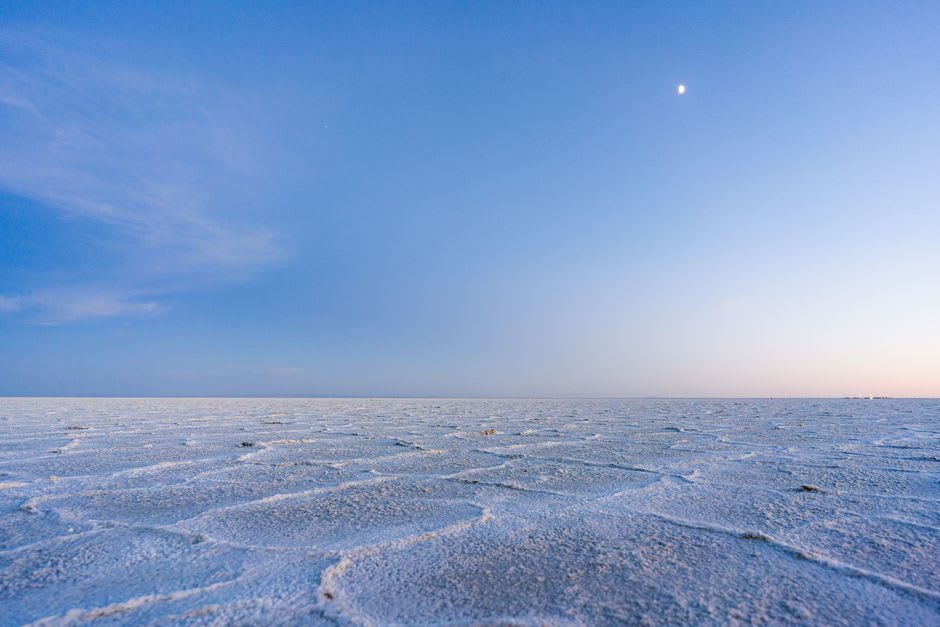
Nothing prepares you for the moment the ground turns white. I’d been driving for two hours out of Bhuj through increasingly flat, scrubby land, and then the road just stopped making sense — the land ahead wasn’t sand, wasn’t water, wasn’t anything I had a category for. It was salt, crusted into a hard white crust stretching in every direction until it met the sky, and the horizon simply dissolved. The Great Rann of Kutch floods shallowly during the monsoon and then dries into this vast seasonal salt desert, one of the largest of its kind on the planet, and walking out onto it barefoot — which our guide insisted we try — felt like stepping onto the surface of somewhere that hadn’t decided yet whether it was land or sky.
I’d timed the trip for the Rann Utsav, the tented festival that Gujarat Tourism runs from roughly November through February on the edge of the salt flats near Dhordo village, and arriving on a full moon night is the entire point. Under a full moon the white salt actually seems to generate its own light, glowing faintly blue-white in a way that photographs never quite capture. Families camped in tents did folk dances — Kutchi garba, tribal Rabari performances — around bonfires while the desert behind them sat silent and glowing. I stood at the edge of the crowd at around midnight, away from the music, and just listened to nothing. It’s one of the only truly silent places I’ve been in India.
Embroidery, flamingos, and a desert that isn’t empty
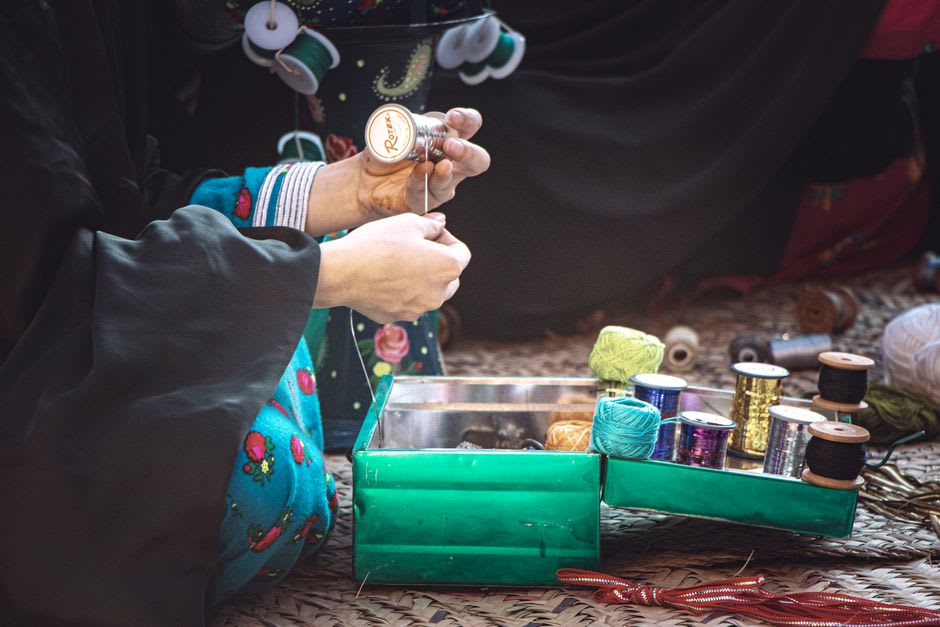
The Rann isn’t only salt. Its edges hold Kutchi villages — Bhujodi, Nirona, Ajrakhpur — where entire communities have specialized in a single craft for generations: mirror-work embroidery in Nirona, block-printed Ajrakh textiles in Ajrakhpur, bandhani tie-dye elsewhere. I sat with a Rabari woman in Bhujodi who showed me a wedding shawl she’d been embroidering for months, dense with tiny mirrors and geometric patterns passed down, she said, from her grandmother’s designs without a single sketch or pattern book — all of it memorized. The region is also, improbably, one of India’s great flamingo habitats. The Flamingo City wetlands near the Rann host one of the largest breeding colonies of greater and lesser flamingos in Asia, and from a distance the pink smudge of thousands of birds against white salt and blue sky looks almost like a mistake in the landscape’s design.
When to go: December through February, ideally timed to a full moon during the Rann Utsav — the salt desert is only walkable in the dry winter months, and it floods completely during and after the monsoon.