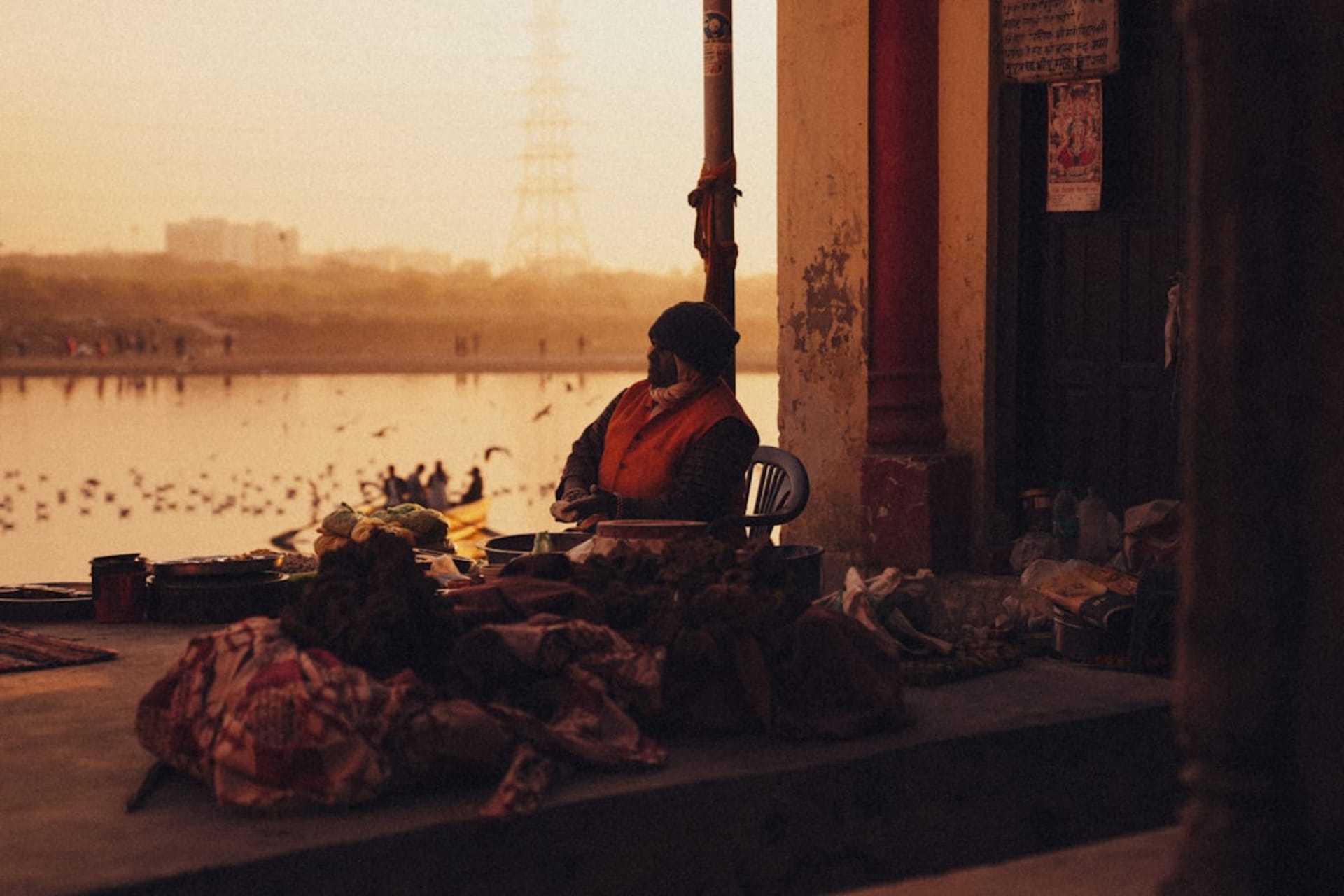
A holy lake town where meat and alcohol are banned by law, camels outnumber cars every November, and one of India's only Brahma temples anchors the ghats.
I got to Pushkar the slow way, by bus over the Aravalli ridge from Ajmer, and the town revealed itself the way holy places in India often do — suddenly, and from above. The road drops down toward a small lake ringed by fifty-two ghats and a skyline of whitewashed temple spires, and the whole thing sits in a bowl of hills like it was hidden there on purpose. Legend says the lake formed where a lotus fell from Brahma’s hand, and Pushkar’s Brahma temple — one of only a handful dedicated to the creator god in the whole country, despite Brahma being part of the primary Hindu trinity — is the reason pilgrims have been coming here for over a thousand years. I asked a priest why there were so few Brahma temples anywhere else and got three different mythological explanations in the space of ten minutes, none of which fully agreed with each other, which felt appropriately Indian.
The town itself runs on rules you notice quickly: no meat, no eggs, no alcohol, sold or served anywhere within Pushkar’s limits, by local ordinance tied to the lake’s sanctity. It gives the main bazaar a strange, gentle energy — backpackers who arrived expecting a party town settle instead into rooftop cafes serving banana lassis and vegetable thalis, watching pilgrims bathe in the ghats below. I sat at one of those cafes for an entire sunset, watching devotees descend the stone steps into the water in groups, the priests directing small rituals, marigold petals drifting on the surface.
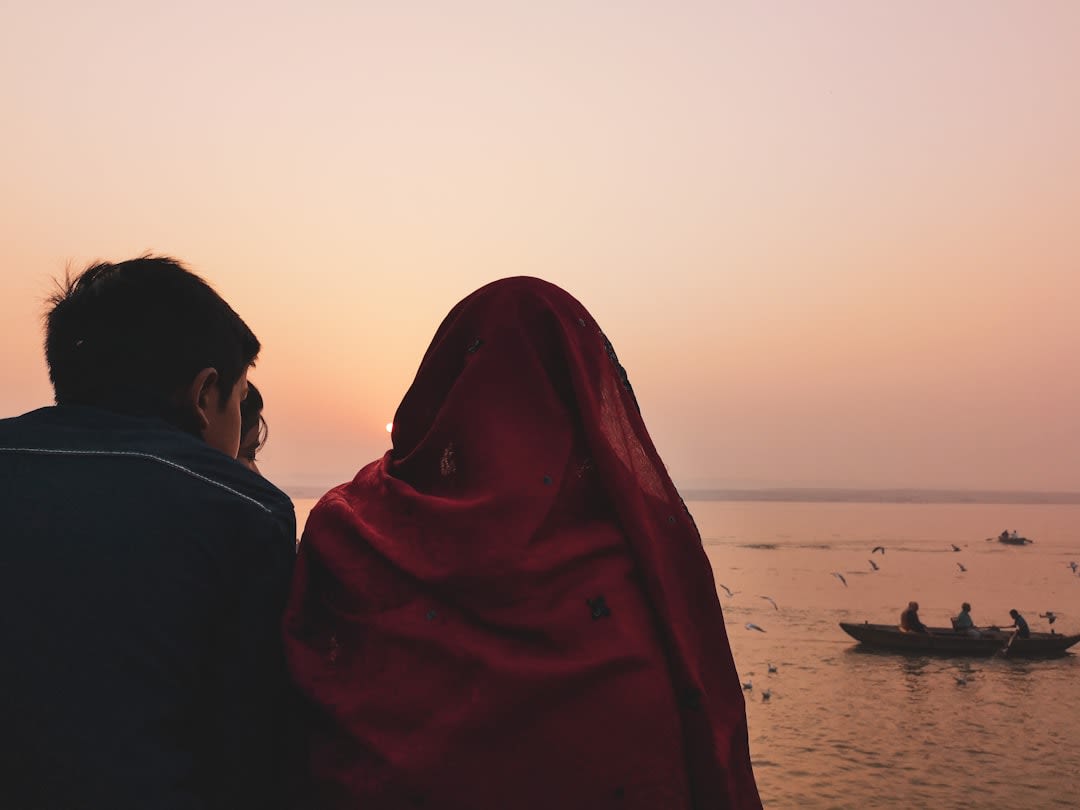
The fair that swallows the town whole
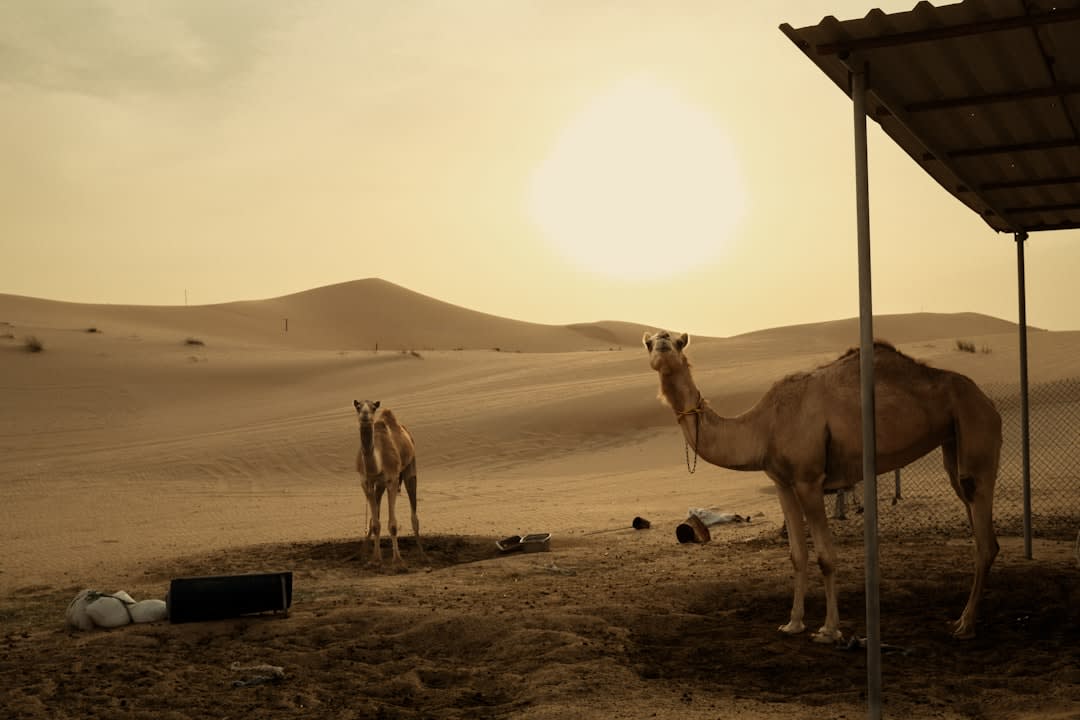
If you time it right — late October or November, tied to the Kartik Purnima full moon — Pushkar transforms completely for the camel fair, one of the largest livestock markets on earth. Traders walk their camels in from across Rajasthan, some for over a week, and the dunes outside town fill with tens of thousands of camels, cattle, and horses, alongside a carnival of ferris wheels, moustache competitions, and turban-tying contests. I went once during the fair and once in the quiet shoulder season, and they felt like two entirely different towns wearing the same skin. During the fair, the dust off the fairground hangs gold in the late light and the noise carries for a mile. In the quiet months, Pushkar is just a lake, some temples, and the hills.
I climbed Savitri Temple on the ridge above town one morning before the heat set in, the same ridge where Brahma’s wife is said to have retreated in anger after being excluded from a yagna he performed here without her. The view from the top is the best way to understand Pushkar’s geography — lake, temples, bazaar, and desert hills all visible at once, small enough to hold in a single glance, which is rare for anywhere in India.
When to go: October and November for the camel fair, if you want the spectacle. December through February for a quieter, cooler visit with the lake and ghats mostly to yourself.