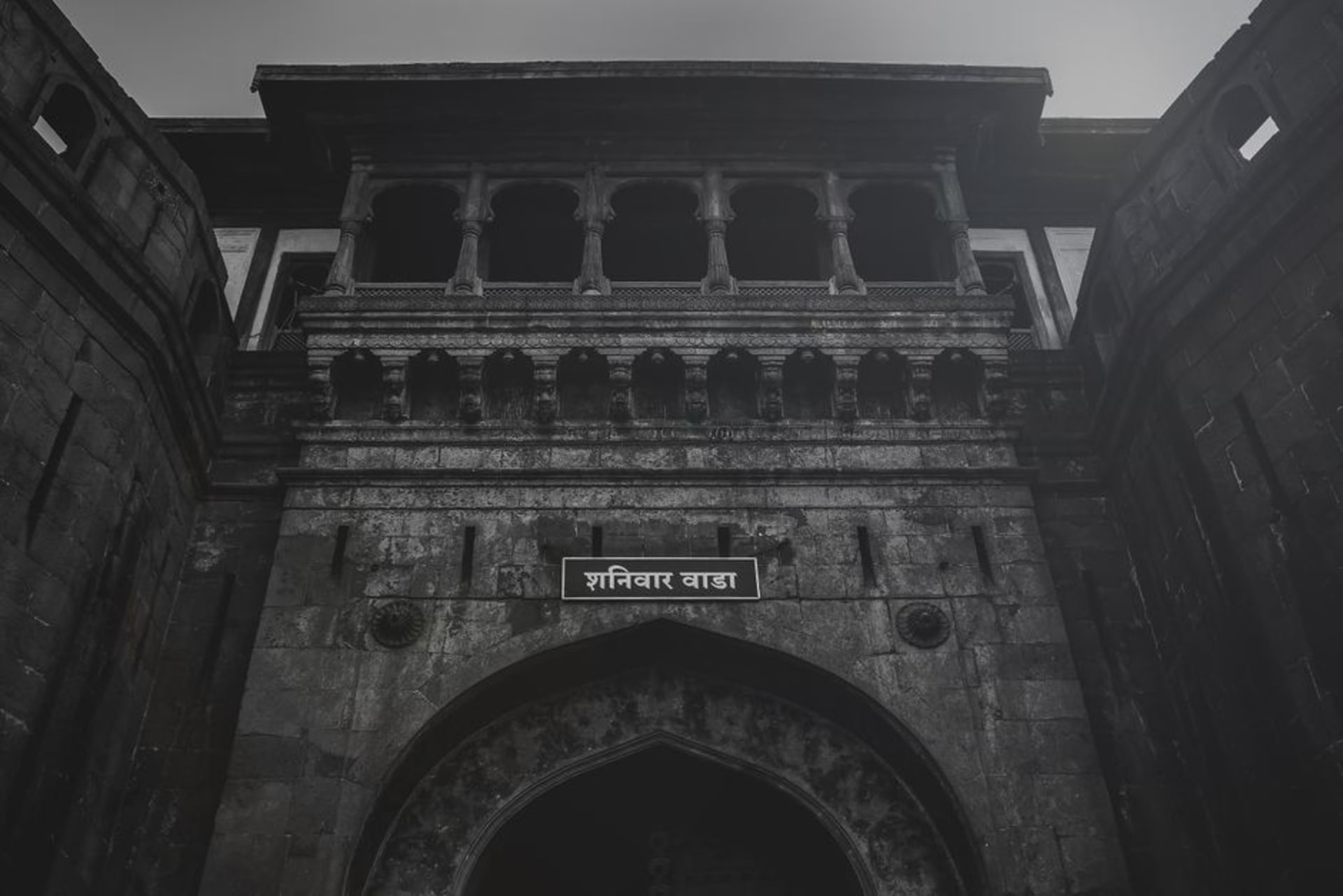
A Deccan plateau city built on Maratha history, now humming with tech offices, students, and an ashram that draws seekers from across the world.
Everyone in Mumbai told me Pune would feel like a smaller, slower version of the same city, and everyone was wrong. I arrived by train through the Western Ghats, the tracks curling through tunnels and past waterfalls that only run properly in monsoon season, and stepped out into a city with noticeably cleaner air, a real climate distinction, and a completely different historical center of gravity. Pune sits on the Deccan plateau at close to six hundred meters, which buys it cooler evenings than the coast, and that alone changes how the whole city moves.
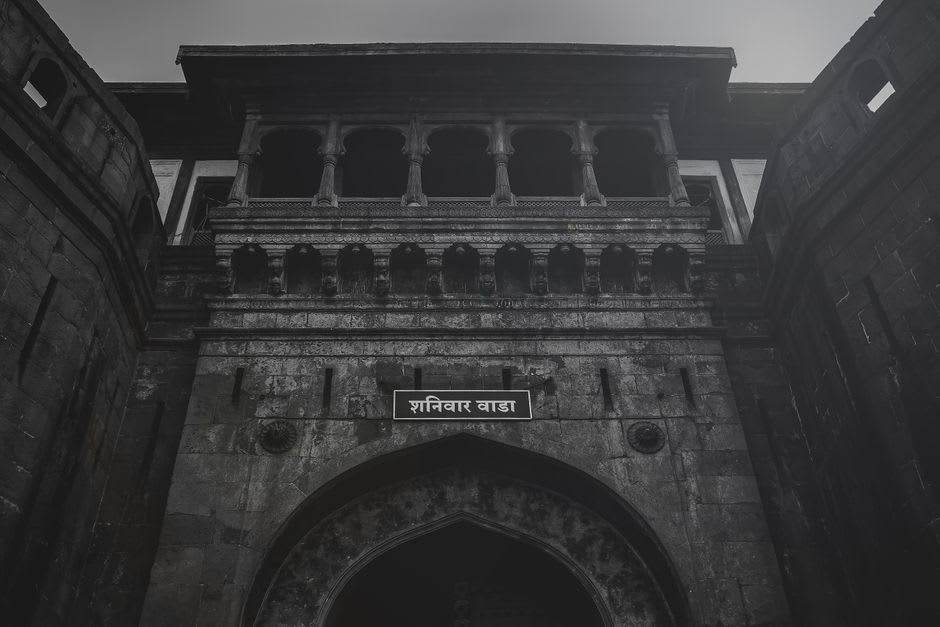
Shaniwar Wada, the fortified palace built in 1732 as the seat of the Peshwa rulers who effectively governed the Maratha Empire, is now mostly rubble and blackened stone — a fire in 1828 destroyed most of the wooden structure, leaving only the massive outer walls and gates standing. I walked the perimeter at dusk while a light-and-sound show recounted the palace’s history to a crowd of mostly local families, and the contrast between the theatrical narration and the genuinely eerie, roofless ruin behind it was oddly moving. This was the seat from which Peshwa ministers, nominally serving the Chhatrapati but functionally running an empire, once directed campaigns across half the subcontinent.
Shivaji’s Shadow and a Very Different Kind of Ashram
Maratha history runs deep here — Shivaji, the seventeenth-century warrior-king who carved an independent Maratha kingdom out of Mughal and Bijapur territory through a mix of guerrilla tactics and genuine political vision, spent formative years around Pune, and his legacy is inescapable: statues, street names, a fort-hopping tourism circuit into the surrounding hills where he built and captured strongholds. Talking to a history-obsessed auto-rickshaw driver who insisted on a Shivaji detour before dropping me at my hotel, I got the sense that the city’s relationship to him is less “history” than “identity.”
The other Pune, the one that surprised me more, is the Osho Ashram in Koregaon Park — a walled campus of black marble pathways and maroon-and-white-robed visitors from every continent, built around the teachings of the controversial guru Osho, who died in 1990. I didn’t do a session, but I sat in the public park area watching a stream of foreign visitors, many clearly long-term residents, move between meditation halls with a calm that felt genuinely earned rather than performed, a strange counterpoint to the IT-park hustle and engineering-college energy that otherwise defines the city.
When to go: October to February for pleasant, dry weather. Pune is also a good monsoon base, drier than Mumbai but close enough to reach the Western Ghats’ waterfalls in July and August.