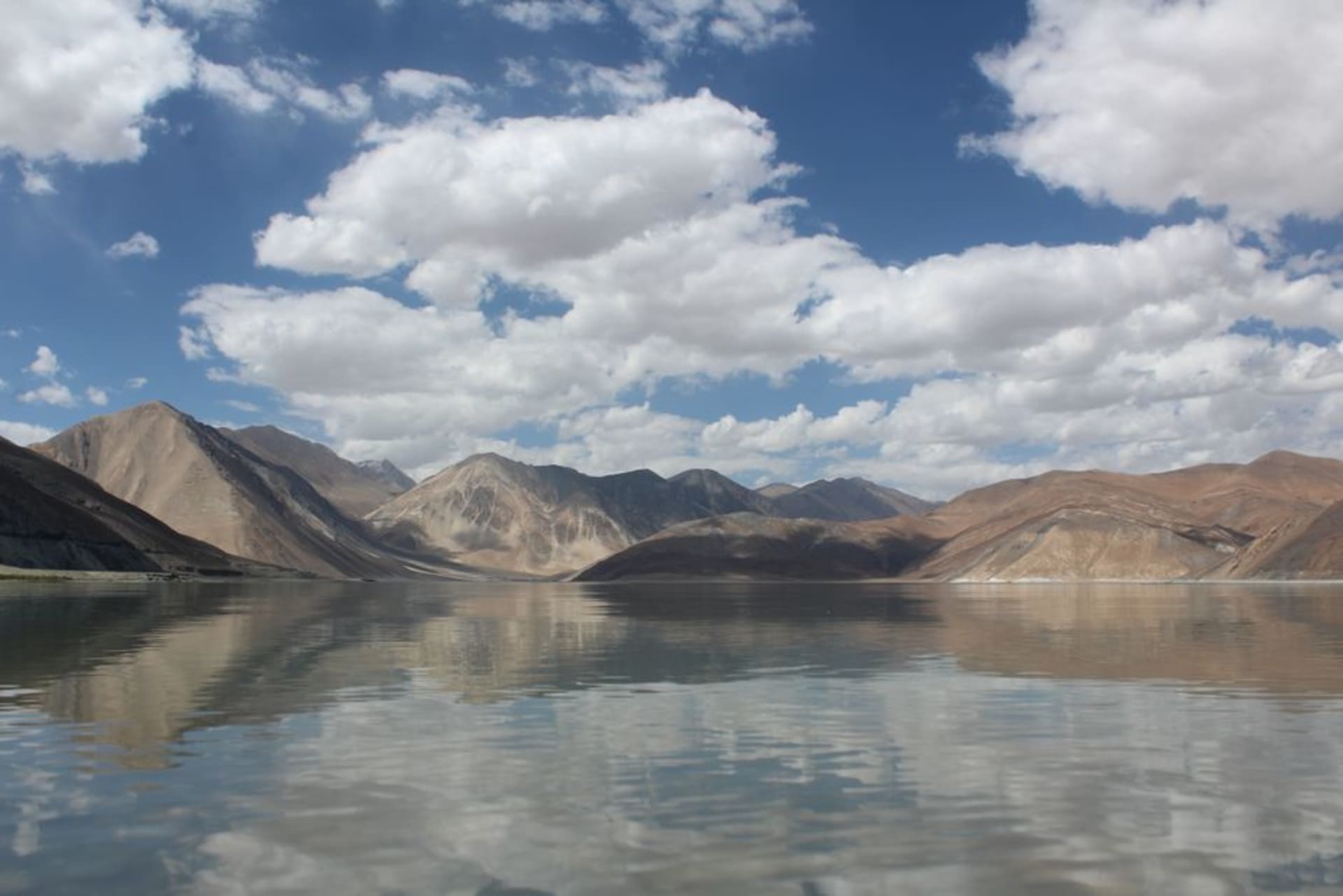
Pangong Lake
"The lake so blue I checked my phone's camera settings before I believed my own eyes."
A high-altitude lake that shifts through blues no camera fully captures, stretching from Ladakh into Tibet and freezing solid come winter.
The drive to Pangong Lake takes most of a day from Leh, over Chang La pass at over 5,300 metres, through a landscape so stripped of vegetation that the road itself becomes the only proof another human has ever passed through. I dozed against the window somewhere past the pass and woke to my driver saying, simply, “look” — and there it was, a strip of blue so saturated it looked like a filter had been left on, stretching out between brown mountains until it disappeared over the horizon into Tibet, two-thirds of the lake lying in Chinese-controlled territory that visitors can’t reach. Pangong Tso is endorheic, meaning it has no outlet, and the water is brackish, unsuitable for drinking or irrigation, which is perhaps why it has stayed this untouched.
The color that will not sit still
What nobody tells you is that the color changes constantly. I sat on the gravel shore near Spangmik village for close to two hours, and in that time the lake moved through turquoise, then a deep cobalt, then a pale green-grey as clouds crossed the sun, then back to a blue so pure it looked unreal, all without me moving three metres. Locals say the color depends on the mineral content and the angle of light, and I believe both explanations equally, because no single theory accounts for what I watched happen in real time. The lake gained a strange second fame after the 2009 film “3 Idiots” used it as its final scene’s backdrop, and Ladakhi guides now refer to the specific point on the shore, informally, as “the 3 Idiots spot” — a small monument to Bollywood’s power to turn a remote lake into a bucket-list stop for millions of Indian tourists who now arrive by the busload.
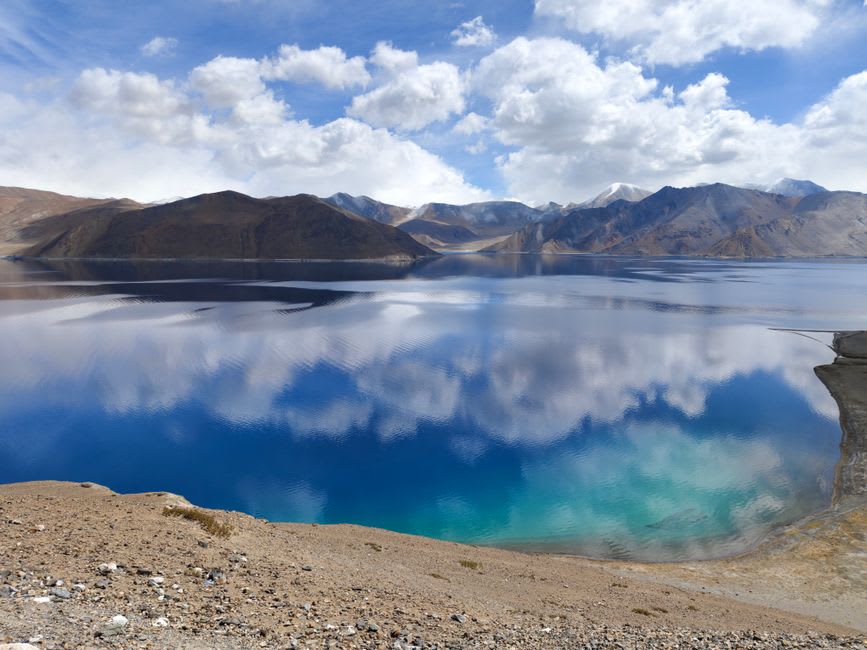
In winter, the lake freezes over almost completely, the surface turning into a sheet of ice thick enough, in the coldest months, that it has reportedly supported vehicles in the past — though nobody sane attempts that today. I only saw it in its liquid, technicolor summer state, camped overnight in a tented camp near the shore where the temperature dropped hard after sunset and the stars, away from any light pollution, arrived in numbers I hadn’t seen since the middle of the Sahara.
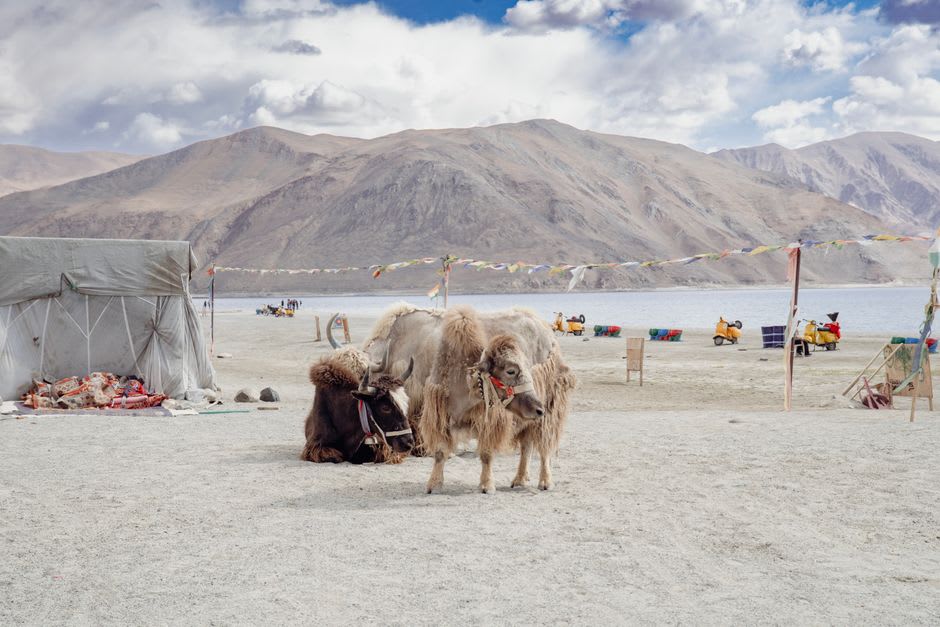
When to go: May to September for the open, liquid lake and its full color range; the road can be treacherous or closed outside this window, and the lake itself freezes solid from around December through February.