Nashik
"I did not expect to find a proper vineyard tasting room an hour from a temple town on the Godavari."
India's wine capital, where Sahyadri foothill vineyards and a sacred Godavari riverfront that hosts the Kumbh Mela sit within a few kilometers of each other.
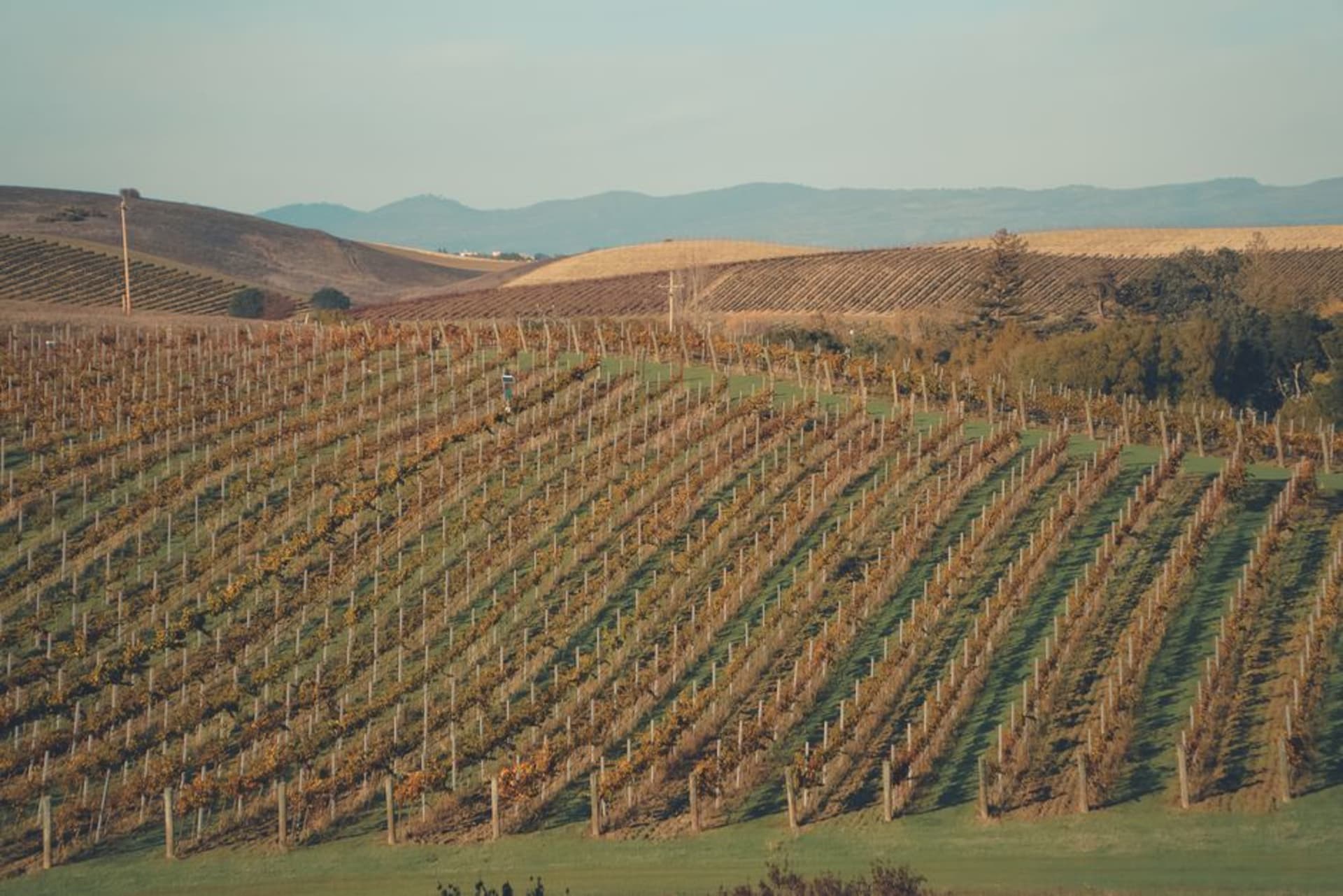
Nobody had mentioned wine to me before Nashik, so the vineyards outside town were a genuine surprise — terraced rows of grapes running up the lower Sahyadri slopes, the same volcanic-basalt soil and moderate elevation that makes the region good for table grapes now supporting a wine industry that’s grown from almost nothing in the 1990s into something serious. I did a tasting at Sula Vineyards, the winery most responsible for putting Nashik on this particular map, sitting on a terrace overlooking the vines with a glass of their sauvignon blanc while a tour group from Mumbai took photos of the amphitheater below, clearly there as much for the Instagram backdrop as the wine itself. I didn’t mind. The wine was better than I expected, and the view — rows of vines against a backdrop of scrubby brown hills — was its own reward regardless of what was in the glass.
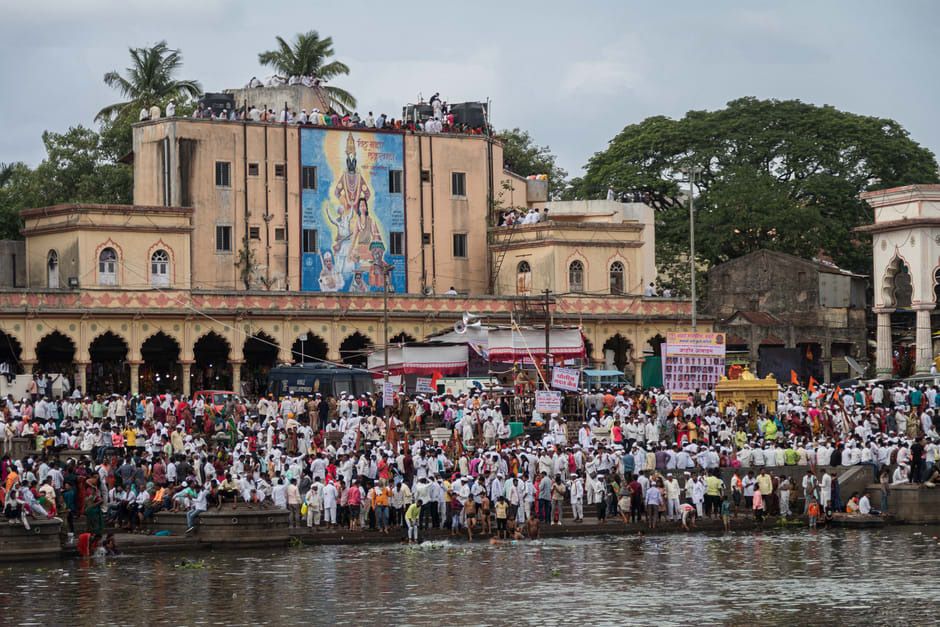
The other Nashik, older and less photogenic, sits along the Godavari River in the Panchavati area of the old town, where ghats crowded with pilgrims and priests performing rituals feel a world away from the vineyard terraces twenty minutes’ drive out of town. Panchavati is named for five ancient banyan trees and is described in the Ramayana as the place where Rama, Sita, and Lakshmana spent part of their exile — a mythological weight that makes Nashik one of India’s four Kumbh Mela host cities, alongside Haridwar, Ujjain, and Prayagraj, rotating the honor roughly every twelve years.
A River That Fills With Millions
I wasn’t there for a Kumbh year, but a local priest at Ramkund — the tank where Rama is said to have performed his father’s last rites, and where devotees still immerse the ashes of their own dead — described the scale to me in a way that made my head spin: tens of millions of pilgrims arriving over the festival’s weeks, the entire town’s infrastructure temporarily multiplied to cope, tent cities stretching along the riverbanks. Even without that crush of humanity, the ghats on an ordinary evening were absorbing enough — oil lamps floated downriver at dusk, a group of women sang bhajans in a call-and-response that carried oddly far over the water, and vendors sold marigold garlands to be tossed in as offerings.
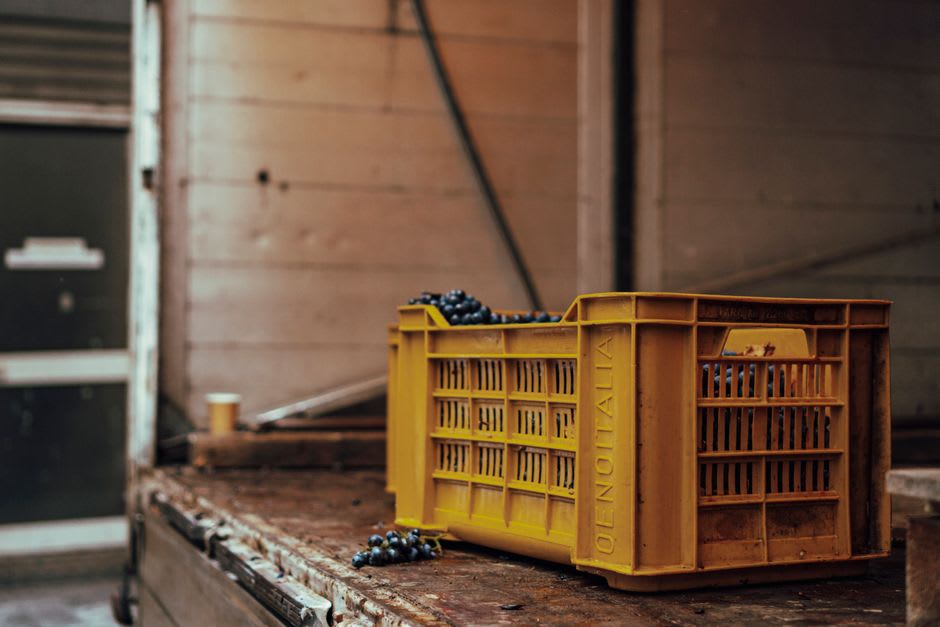
Driving back out to the vineyard region that evening, past roadside stalls selling fresh grapes by the crate, the whiplash between Nashik’s two identities — ancient riverside pilgrimage town, ambitious modern wine region — never quite resolved itself in my head, and I decided that was probably the correct way to leave it.
When to go: October to March for pleasant weather for both vineyard visits and riverside walks. Check the Kumbh Mela calendar if you want the festival itself, though it demands serious crowd tolerance.