Nainital
"A whole town built to look at one lake, and after a day there I understood the obsession."
A colonial-era lake town built around an emerald crescent of water in the Kumaon hills, where paddle boats, Mall Road strollers, and Naina Devi's temple all share the same small shoreline.
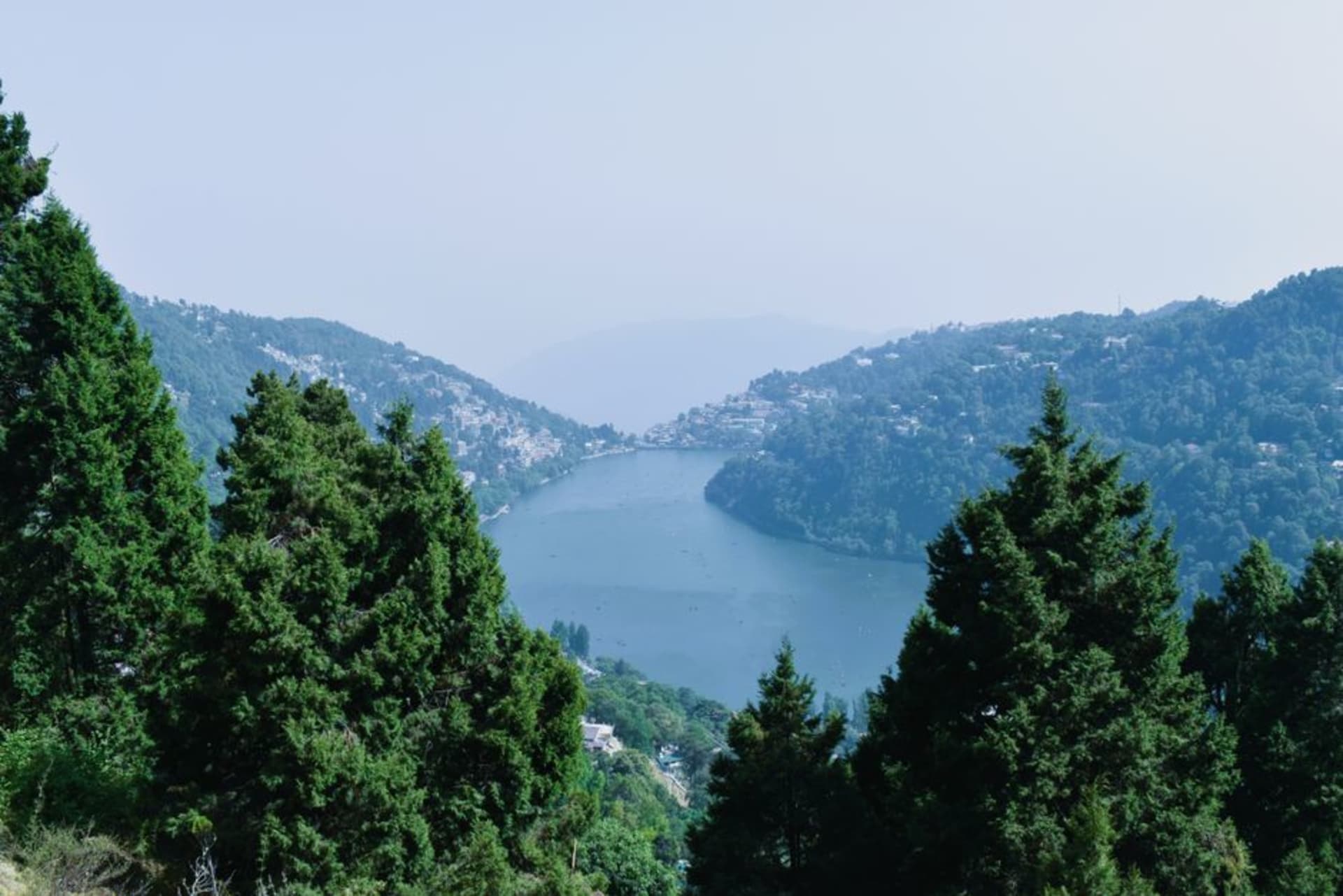
Naini Lake is the reason Nainital exists, and the town knows it — every street, terrace, and hotel balcony in the old quarter angles itself toward that crescent of green-blue water, ringed by forested hills that the British, when they founded the settlement in 1841, apparently thought looked enough like the Lake District to justify building an entire hill station around it. I arrived by taxi from the plains in the late afternoon, and the first view of the lake from the road above — the water catching the last sun, rowboats crossing in lazy diagonals, the temple spire of Naina Devi at the northern end — is one of those arrivals that makes an eight-hour drive feel instantly worth it.
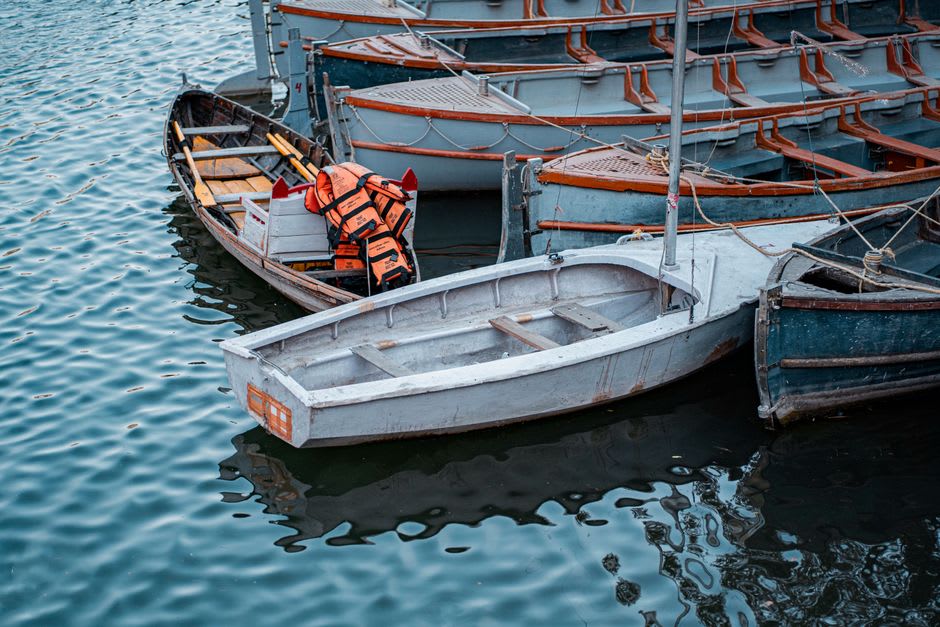
Mall Road runs along the eastern shore, a pedestrian promenade thick with candy floss vendors, boat touts, and families walking three generations deep, and in the evening it turns into the kind of unhurried, ice-cream-eating scene that Indian hill stations do particularly well. I rented a paddle boat one morning before the crowds arrived, when the lake was still glassy and the only sound was the creak of oarlocks from a couple of early rowers, and drifted past the ghats where Hindu pilgrims come to bathe at Naina Devi temple — built, according to local legend, on the spot where the goddess Sati’s eye fell to earth, one of the 51 Shakti Peeth sites scattered across the subcontinent.
Colonial bones, Kumaoni soul
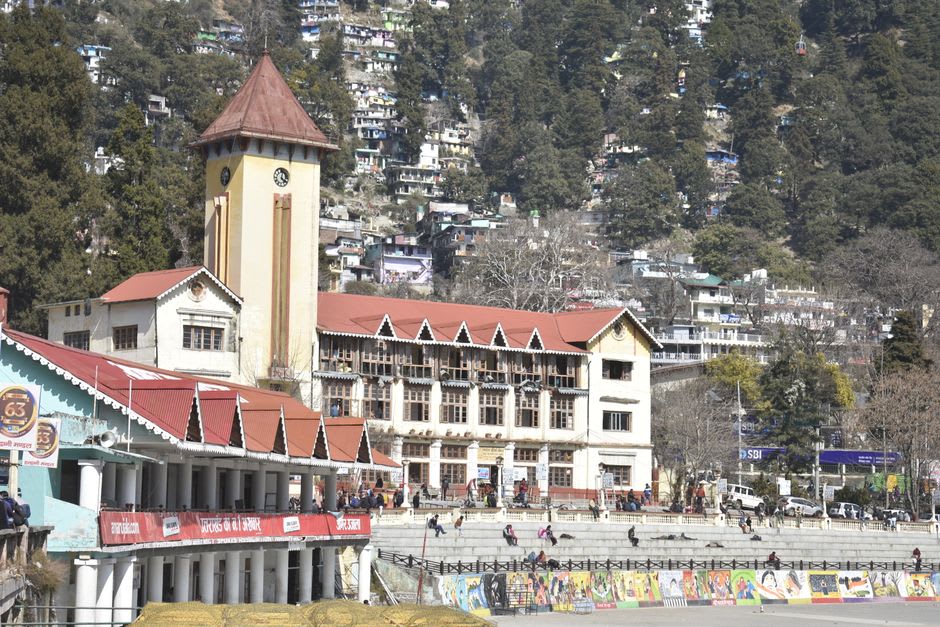
Nainital was built as a British sanatorium town and summer retreat, and that legacy is everywhere in the architecture — steep-gabled cottages, a Gothic-spired church at St. Joseph’s, and the old Boat House Club, a colonial relic on the lake’s edge that still enforces a faintly anachronistic dress code for its restaurant. But underneath the Raj-era shell, this is Kumaoni hill country, and I found the more interesting texture a short walk up from the lake, in the fruit and vegetable market where Kumaoni women sold apricots, walnuts, and wild Himalayan honey, speaking a hill dialect distinct from the Hindi of the plains below.
I climbed up to Naina Peak, above the town, on a foggy morning that occasionally broke to reveal snow peaks of the greater Himalaya far to the north — Nanda Devi among them on the clearest days — and on the way down stopped to talk with a shopkeeper who told me his grandfather had worked as a boatman on the lake back when the British still ran the club rowing regattas. The lake, he said, hadn’t really changed; only the people renting the boats had.
When to go: March to June for clear mountain views and pleasant weather, or September to November after the monsoon clears the air. Summer weekends get crowded with domestic tourists escaping the plains heat, so weekdays are calmer.