
The 'Queen of the Hills,' a ridge-top town above the Doon Valley where Mall Road crowds and Kempty Falls tourists give way, just up the road, to Landour's quiet colonial lanes.
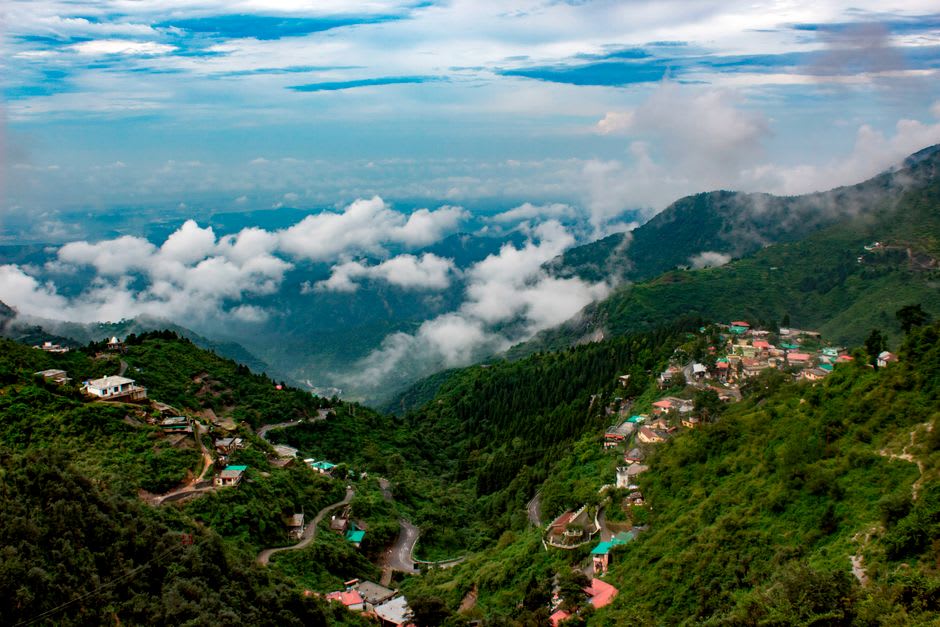
The road up from Dehradun climbs through sal forest and switchbacks for over an hour, and then the trees open up and the whole Doon Valley drops away below you — a patchwork of green fields and small towns stretching to a hazy horizon, with the Himalayan foothills rising on the far side. That view, more than anything else, explains why Mussoorie earned its nickname: the British called it the “Queen of the Hills” when they founded it in 1827 as a garrison sanatorium, and from that first ridge-top vantage it’s not hard to see why they thought so highly of themselves for finding it.
Mall Road is the town’s main artery and, on any weekend or holiday, a genuinely overwhelming crush of domestic tourists, souvenir stalls, and pony rides, especially around Gun Hill, the second-highest point in town reached by a short cable car and a view that, on a clear day, stretches out over both the valley and, to the north, a serrated line of snow peaks. I went up at sunset and found the crowd thinning as the cold set in, until it was just a handful of us watching the light drain out of the Doon Valley in near silence.
Landour, and the quiet half of the Queen
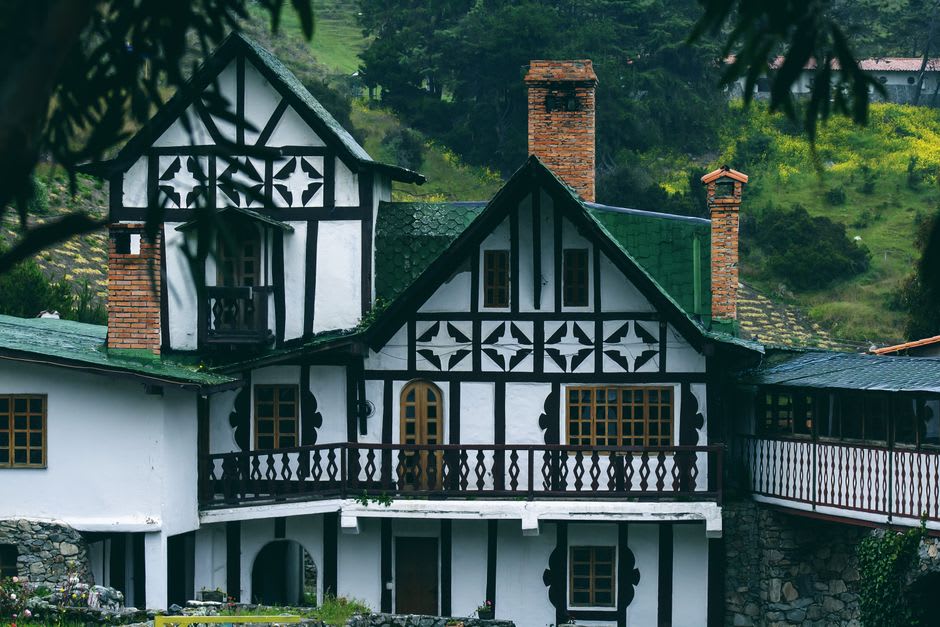
The real find, for me, was Landour — a former British cantonment a short walk up and over from the main Mussoorie bazaar, and a completely different register of hill station. Landour has almost none of Mall Road’s crowds: instead there are quiet lanes lined with old stone cottages, a 150-year-old bakery still turning out plum cake and bara cutlets, and Char Dukan, a cluster of four small tea shops that has been a gathering point for writers and long-term residents for decades — the town has been home to authors like Ruskin Bond for most of his life, and it shows in the unhurried, literary pace of the place. I sat outside one of the Char Dukan stalls with a bun-omelette and a hot cup of tea, listening to two elderly residents argue amiably about cricket, and felt like I’d wandered into a different decade entirely.
Kempty Falls, a short drive out of town, is the other side of Mussoorie’s coin — a genuinely pretty cascade dropping through forested rock, thoroughly commercialized with a crowd of day-trippers wading in the pools below and vendors selling everything from bhutta to selfie-stick rentals. I went early, before the tour buses arrived, and had maybe twenty minutes of the falls mostly to myself before the crowds rolled in and the whole spot turned into a very loud, very wet party.
When to go: March to June for clear valley and mountain views, or September to November for crisp post-monsoon air. Avoid major Indian holiday weekends if you want Mall Road to feel remotely walkable.