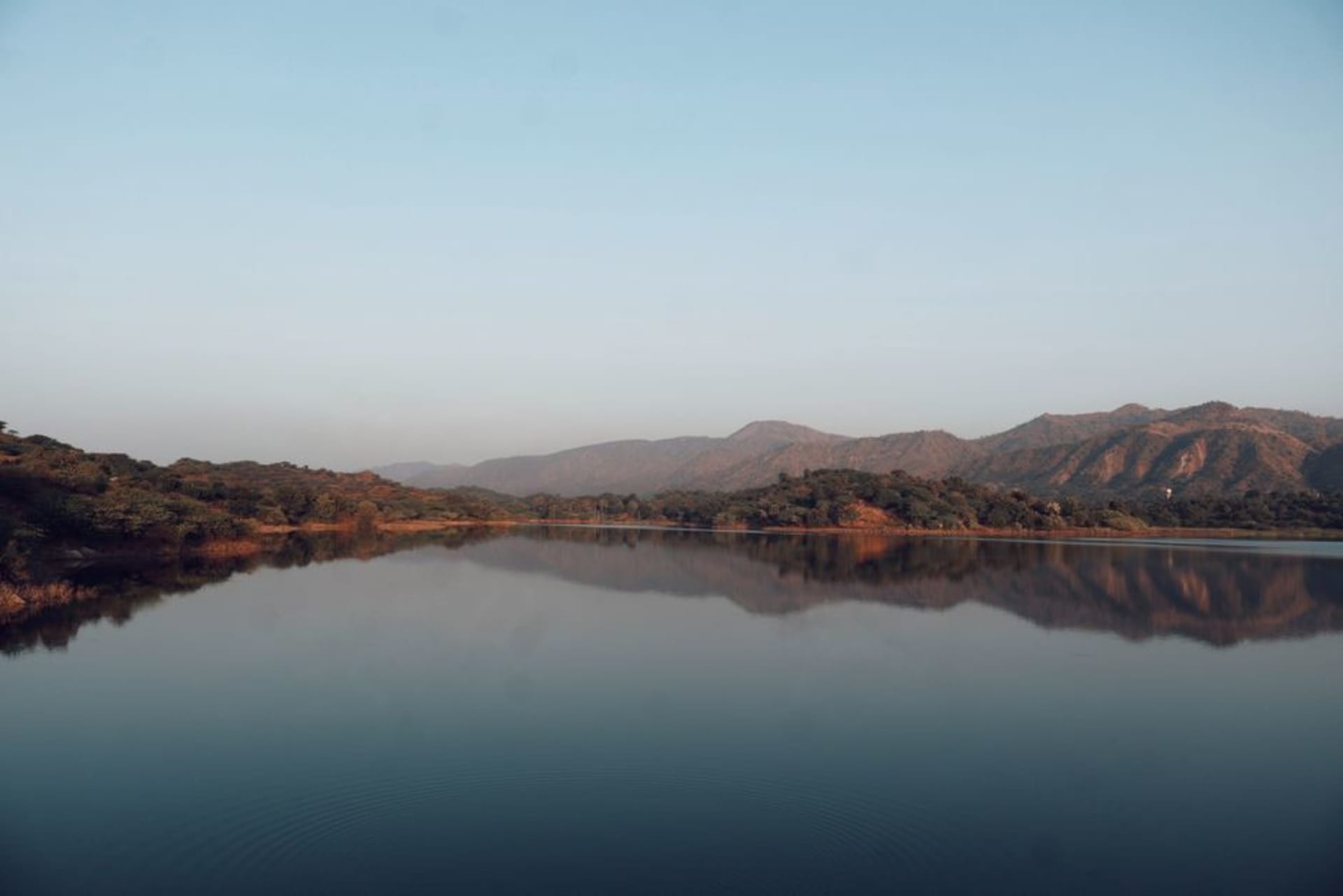
Mount Abu
"The one place in Rajasthan where I actually needed a jacket, and was grateful for it."
Rajasthan's only hill station, cool and pine-scented above the desert, home to Jain marble carving so fine it looks impossibly translucent.
After two weeks of desert heat working my way through Jodhpur and Udaipur, the drive up to Mount Abu felt like switching countries. The road climbs through switchbacks cut into the Aravalli Range, and somewhere around the halfway point the air changes — cooler, damper, carrying the smell of pine instead of dust. Mount Abu is Rajasthan’s only hill station, a British-era retreat perched at over 1,200 meters, and it still functions the way hill stations always have in India: as a place where plains dwellers go to remember what a mild afternoon feels like. I checked into a small guesthouse near Nakki Lake and slept with a window open for the first time in a month.
Marble carved thin enough to glow
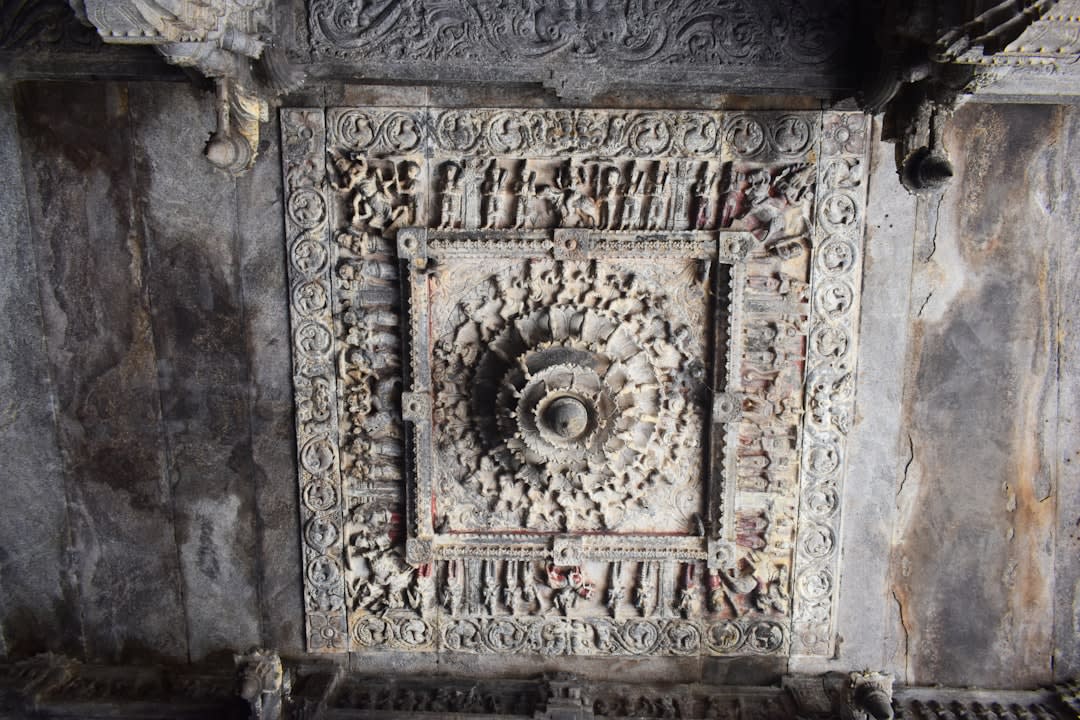
Nothing about Mount Abu prepared me for the Dilwara Temples. From outside, the five Jain temples look deliberately plain — gray marble, unassuming domes, no exterior ornamentation at all, apparently by design, so as not to advertise the wealth spent inside during centuries when Jain communities preferred discretion. Then you step through the entrance and the ceiling above you turns into lace. The Vimal Vasahi temple, built in 1031, and the Luna Vasahi, built over a century later, contain marble carving so intricate — ceilings of nested lotus rosettes, pillars ringed with dancing figures, panels carved so thin that light passes through and makes the stone look less like rock than fabric — that guides claim some artisans were paid by the weight of marble dust they produced rather than by the day, to encourage carving as fine as possible. Photography is banned inside, which forced me to actually stand and look rather than compose a shot, and I’m grateful for that restriction in retrospect.
Nakki Lake anchors the town itself, a small artificial-looking lake that Hindu mythology claims was dug out by gods using their nails — “nakh” — in a single night. I rented a paddle boat one evening and circled it slowly while the sun dropped behind Toad Rock, a boulder formation on the ridge that really does look exactly like a giant toad about to leap into the water. Families picnicked along the promenade, teenagers posed for photos at the ghats, and vendors sold roasted corn and bhutta — it’s the most unpretentious, small-town-holiday atmosphere I found anywhere in Rajasthan, a welcome change of register from the forts and palaces.
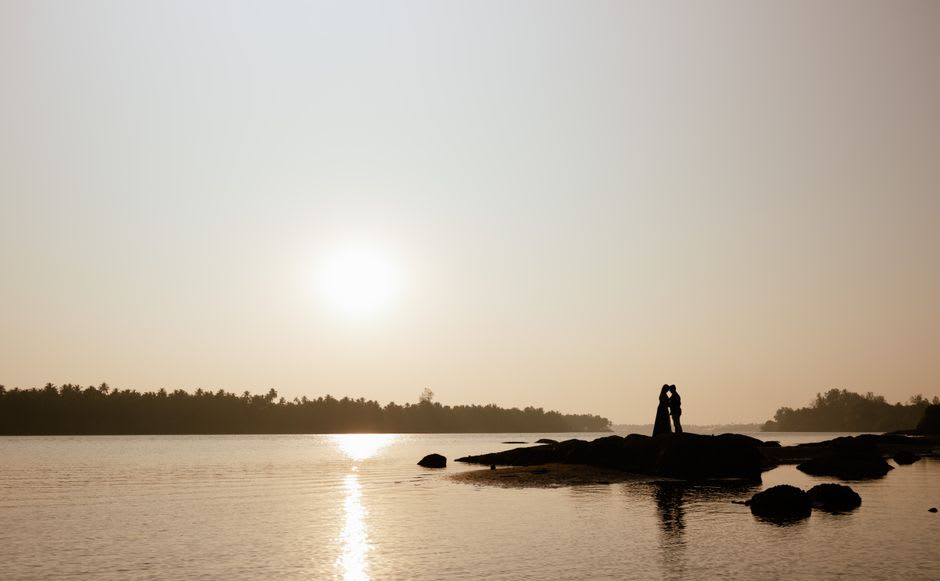
I hiked up to Sunset Point on my last evening, along with what felt like half the town, and watched the sun drop behind layered ridgelines of the Aravallis while a small crowd applauded — genuinely applauded — when it disappeared. I’ve never seen a sunset get a round of applause anywhere else, and it summed up Mount Abu’s particular, unguarded charm.
When to go: March to June, when the plains below are unbearable and Mount Abu stays a pleasant 25°C. Monsoon season turns the hills lush green but brings heavy mist that can obscure the views.