Lonavala
"Mumbai's rain-soaked escape hatch, where an entire hillside seems to be dripping."
A Western Ghats hill station between Mumbai and Pune where monsoon waterfalls, rock-cut Buddhist caves, and sticky chikki fudge define a weekend escape.

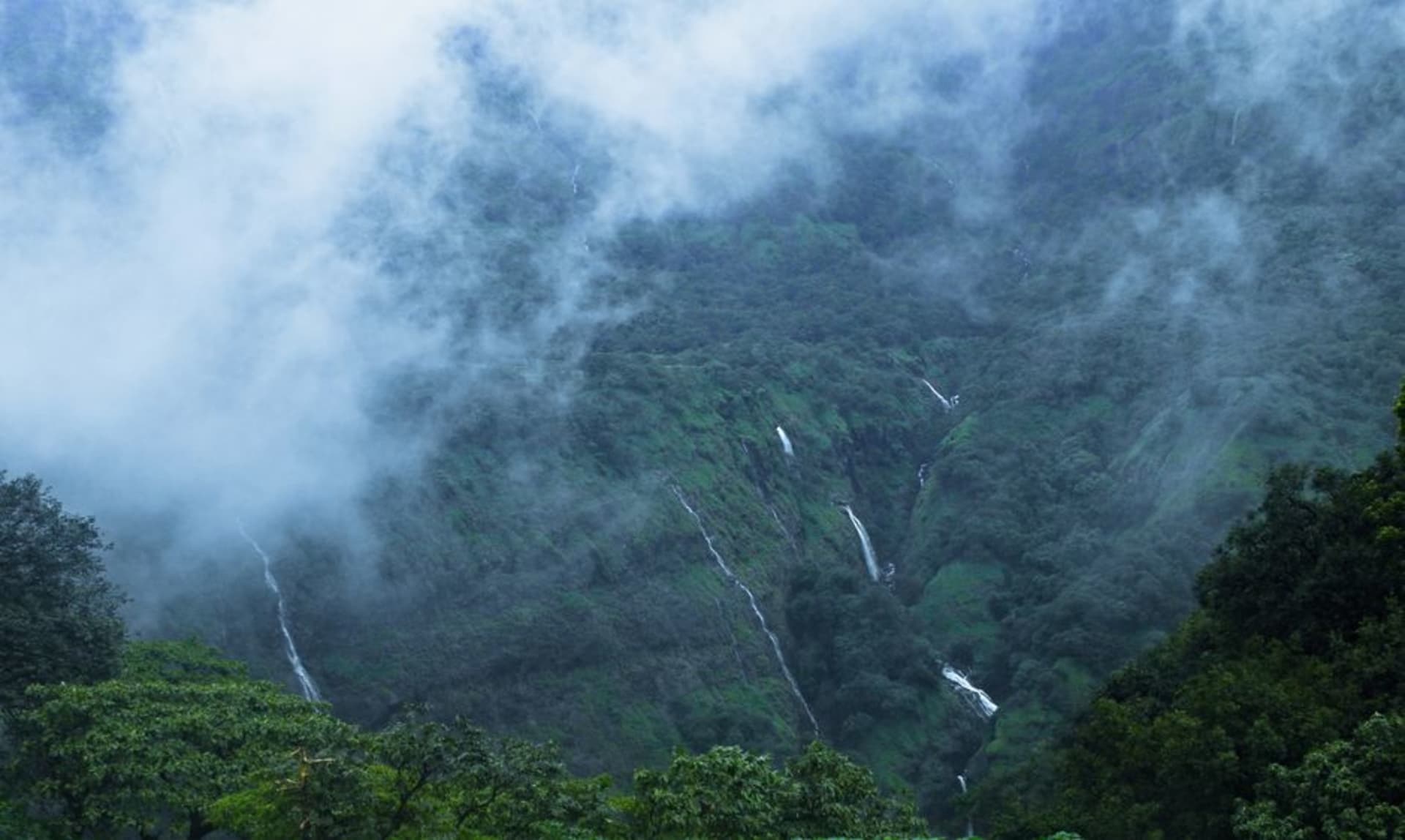
I took the train up from Mumbai during the monsoon, which locals told me was either the best or the worst possible time depending on how much I liked being wet, and they were both right. The Sahyadri hills that Lonavala sits within turn a violent, saturated green in July and August, and waterfalls that don’t exist the rest of the year appear on every hillside, some right beside the highway, drawing crowds of day-trippers who park on the shoulder and clamber down for photos under the spray. Bhushi Dam, the most famous of these, becomes a genuinely chaotic scene of people wading fully clothed into the overflow, and I got swept a few unplanned meters downstream myself before grabbing a chain railing, laughing, soaked, and thoroughly initiated.
Beyond the waterfall tourism, Lonavala’s real historical weight sits in stone. The Karla Caves, carved into a hillside a short drive from town, contain one of India’s largest and best-preserved rock-cut Buddhist chaitya halls, dating to around the first century BCE, with a barrel-vaulted ceiling, ribbed wooden beams that have somehow survived two thousand years, and a colonnade of elephant-topped pillars leading to a stupa at the far end. I stood inside as a group of monks chanted, the acoustics of the hall doing something to their voices that no built cathedral I’ve been in has quite matched.
Bhaja’s Quieter Caves and a Sugar-Coated Souvenir
A few kilometers on, the Bhaja Caves are smaller, older, and far less visited — a set of twenty-two rock-cut monastic cells and a chaitya hall dating to the second century BCE, reached by a short, steep climb past a waterfall that, in monsoon, turns the stone steps into something closer to a stream. I had the site nearly to myself on a grey, drizzling afternoon, tracing carved reliefs of a war scene and stupas cut directly into the basalt, and the quiet felt like a genuine privilege after the crowds at the more famous sites nearby.
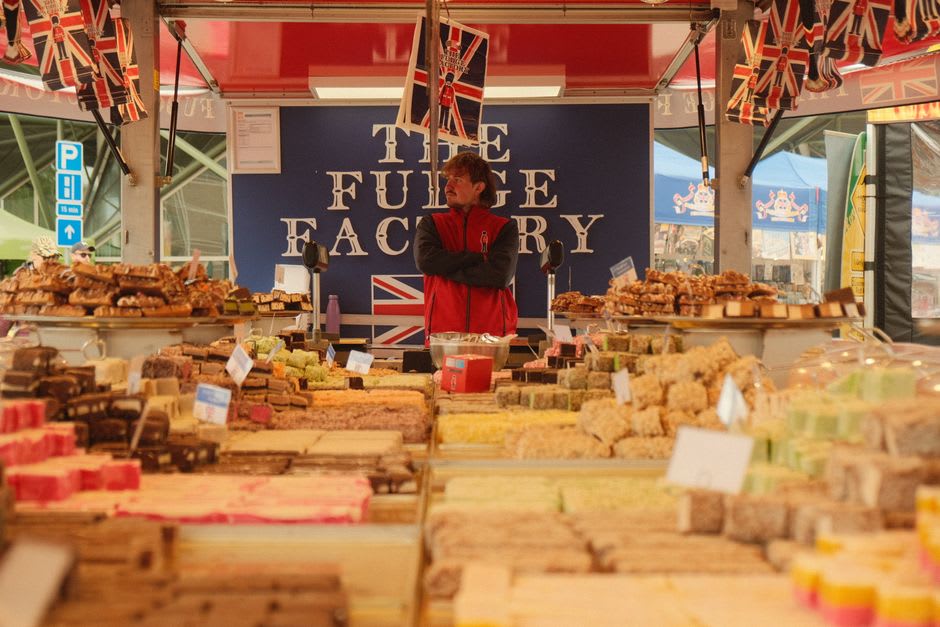
Lonavala’s other, less spiritual claim to fame is chikki — a dense, brittle fudge made from jaggery and nuts, sold in shopfront after shopfront along the main road, each one insisting theirs is the original recipe. I bought three different varieties from three different shops purely to settle the argument for myself, made no progress toward a verdict, and left with a sugar headache and a bag heavier than my actual luggage needed to be.
When to go: July to September for the full monsoon waterfall spectacle, though expect crowds and slippery trails. October to February is calmer and better for exploring the caves without the deluge.
Keep exploring
More from India
 india
india Lucknow
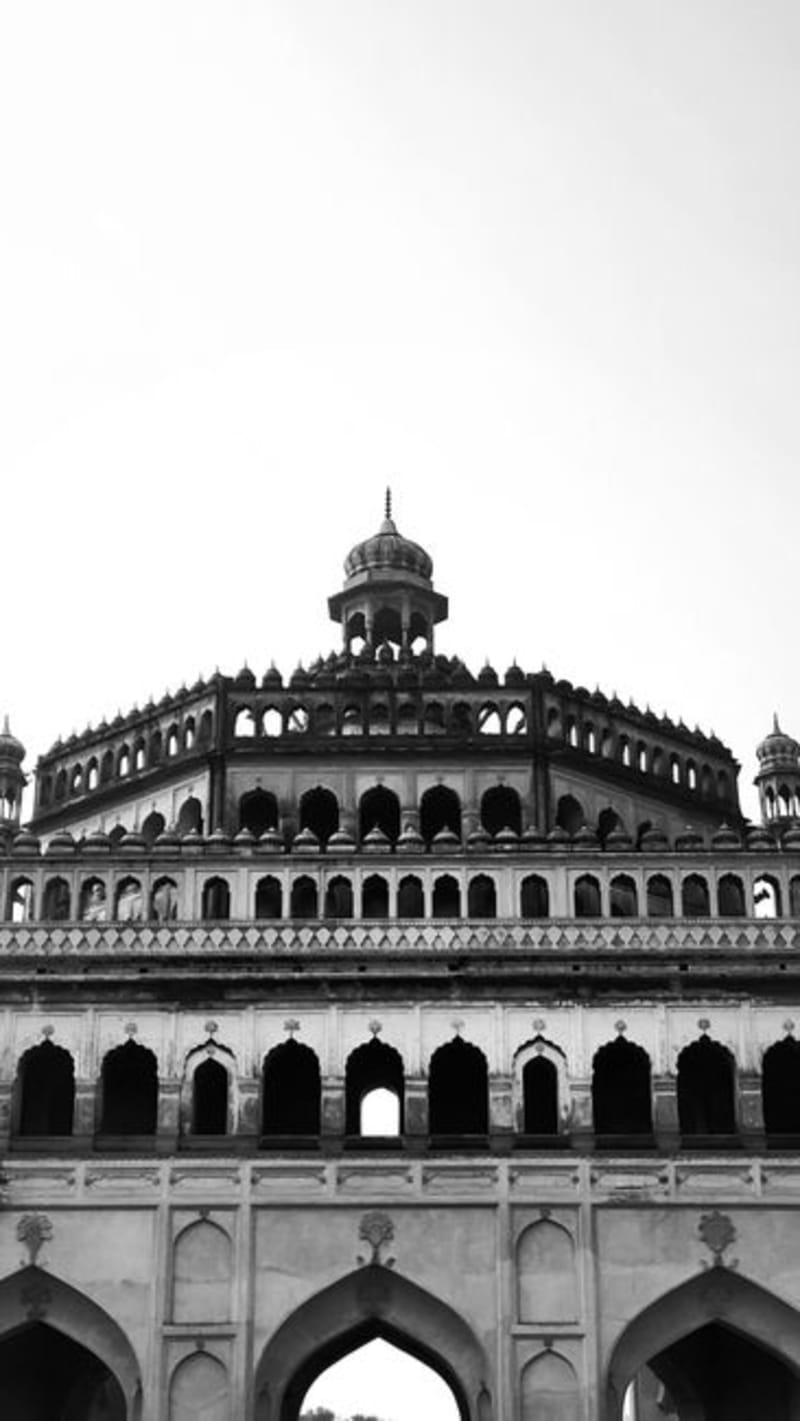
The Nawabi capital where etiquette is an art form, kebabs melt before you chew them, and a labyrinth inside a mosque still confuses everyone who enters.
Explore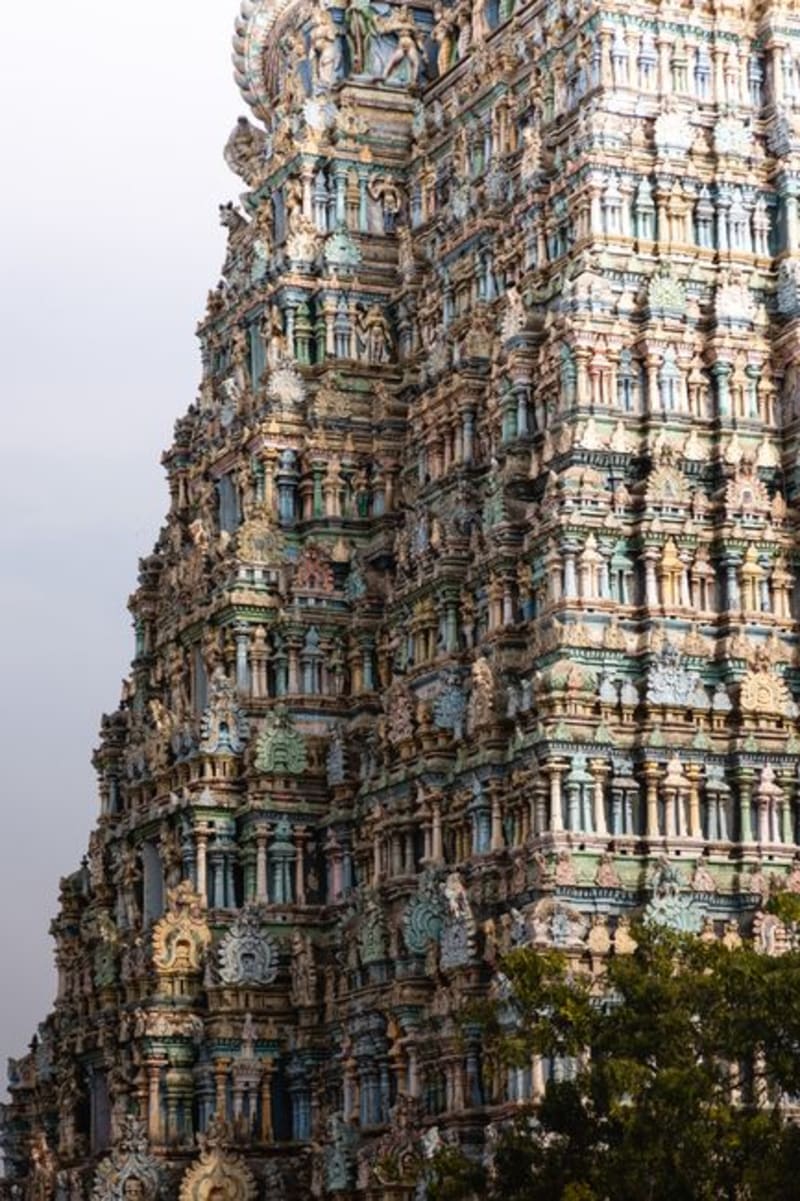 india
india Madurai
One of the world's oldest continuously inhabited cities, built in concentric rings around a temple so vast it functions as the city's actual center of gravity.
Explore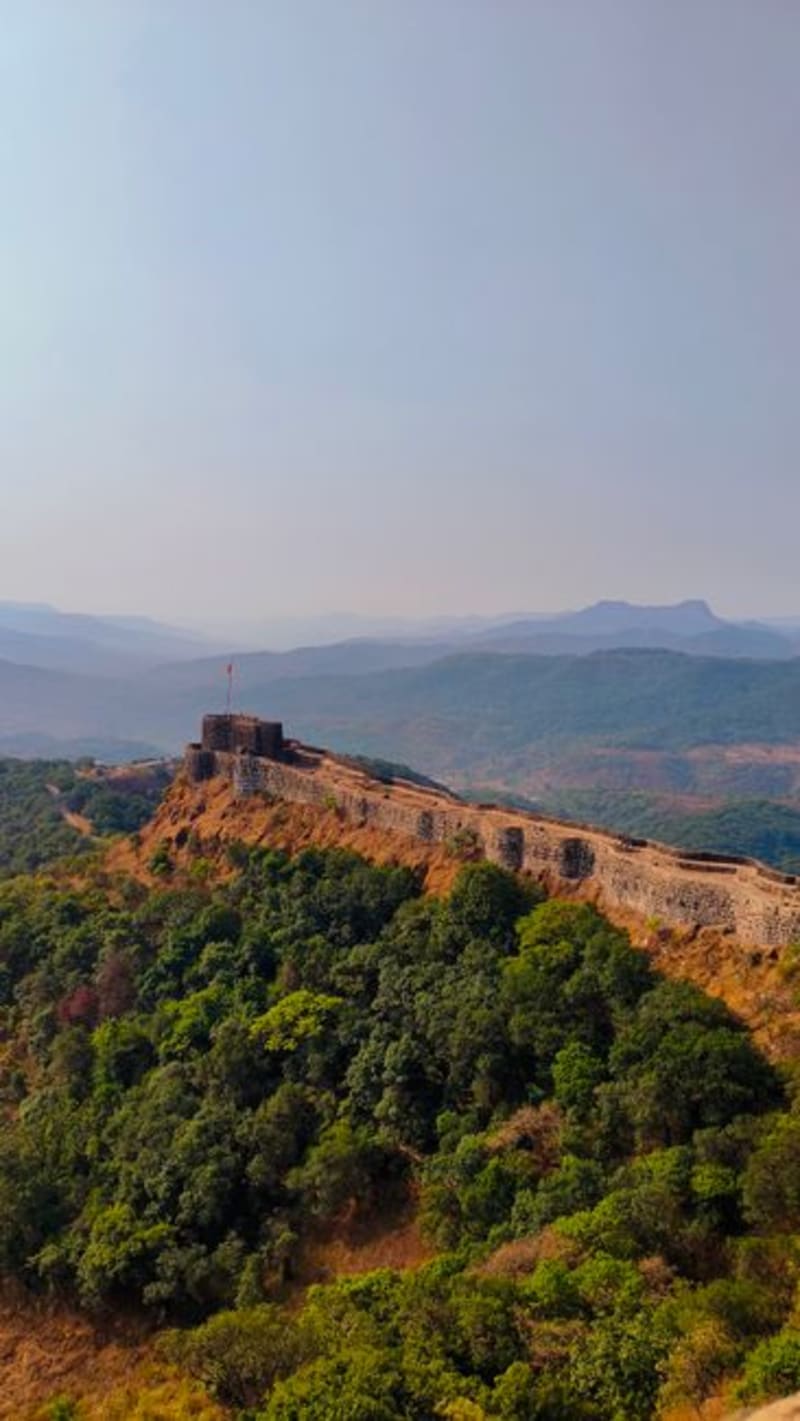 india
india Mahabaleshwar
A colonial-era hill station in the Western Ghats where strawberry farms, a placid lake, and the modest source of the mighty Krishna River share the same misty ridge.
Explore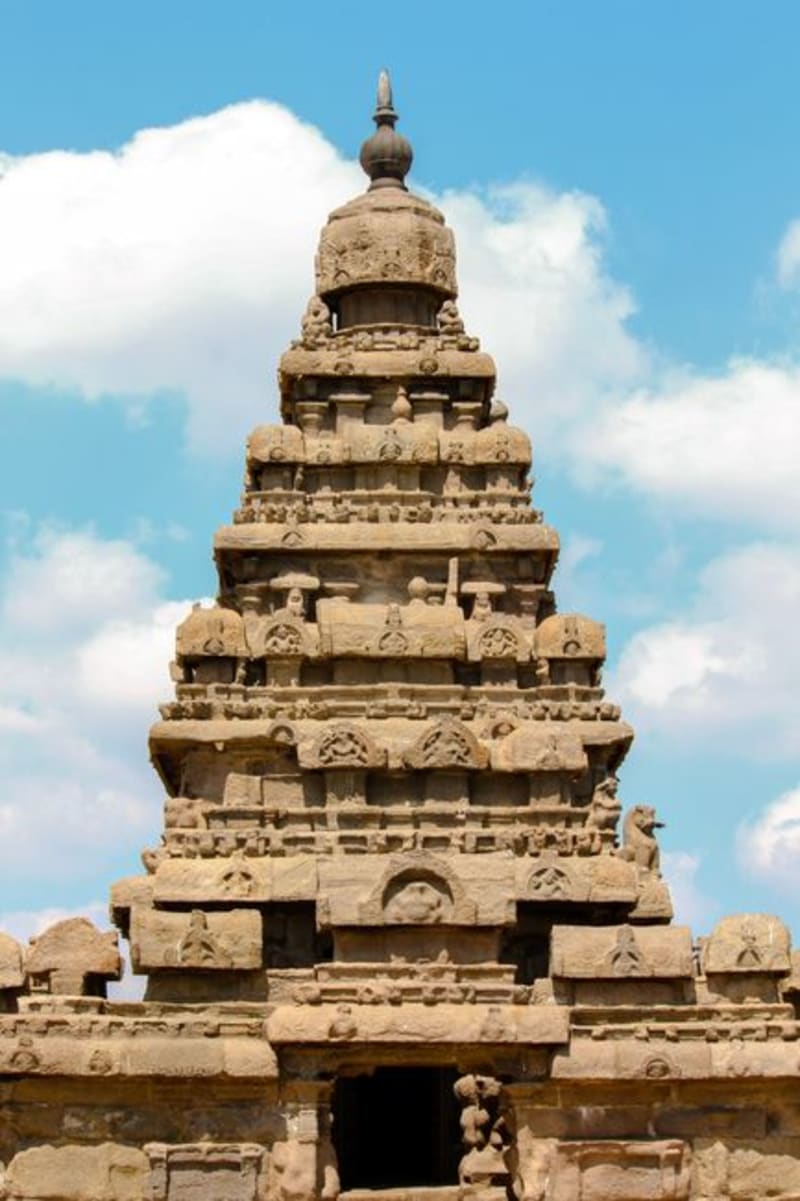 india
india Mahabalipuram
A seventh-century port town where Pallava sculptors carved entire temples from single boulders, and where their descendants still chisel granite by hand today.
Explore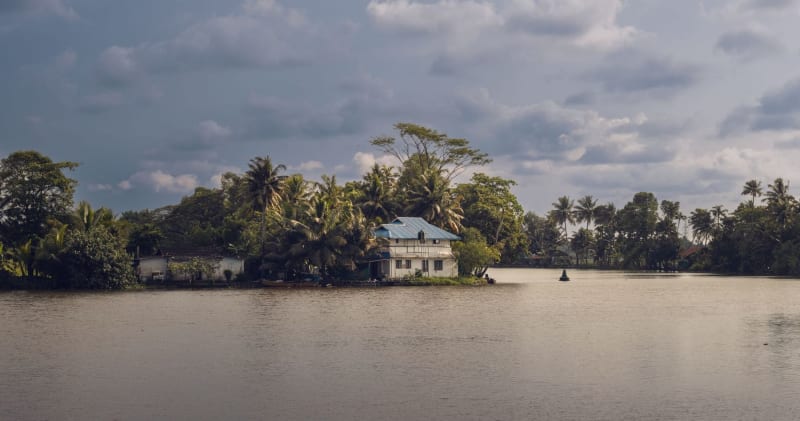 india
india Majuli Island
The world's largest river island in the Brahmaputra, home to Vaishnavite monasteries and vanishing Mising tribal culture.
Explore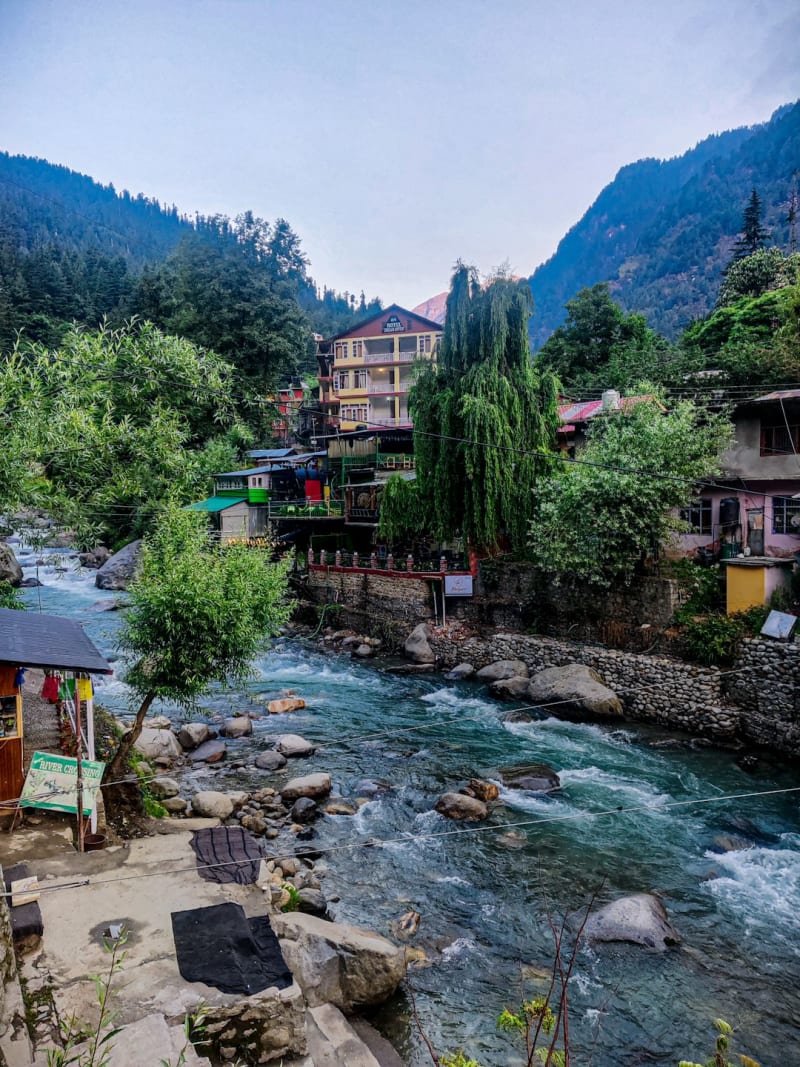 india
india Manali
A Beas river valley town split between honeymooners on Mall Road and backpackers up in Old Manali, all of it staring at the same wall of snow that guards the road to Leh.
Explore