Leh
"The town where I learned that walking up one flight of stairs could leave me out of breath."
The high-altitude capital of Ladakh, where a Tibetan-style palace watches over a bazaar selling apricots, pashmina, and butter tea at 3,500 metres.
I landed in Leh at ten in the morning and by ten fifteen I understood the meaning of the word “altitude” in a way no guidebook had managed to convey. The airport sits at 3,256 metres, and the first thing you notice is not the view but your own lungs, suddenly renegotiating their contract with you. My driver, a young Ladakhi named Tsewang, took one look at my face and said, “First rule: sleep now, sightsee tomorrow.” I ignored him for about an hour, walked three blocks to find a SIM card, and spent the rest of the afternoon lying on a guesthouse bed staring at the ceiling while my heart did something it had never done before at rest. Leh does not negotiate on acclimatisation.
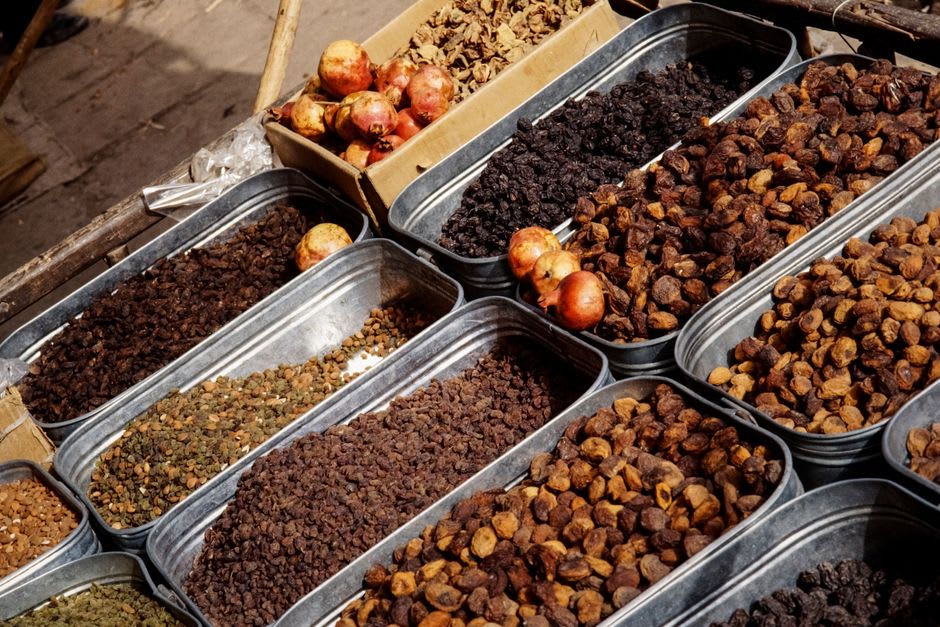
By day two I could walk without my pulse announcing itself, and the town revealed why people fall for it. The bazaar is a strip of low buildings selling dried apricots by the kilo, Kashmiri pashmina scarves, prayer flags, and thermoses of butter tea poured from behind counters manned by women in traditional Ladakhi dress. I bought apricots from a stall run by an old man who told me, unprompted, that this year’s harvest was smaller because the glacier feeding his village’s stream had retreated again. It was said matter-of-factly, the way you’d mention the weather, but it stayed with me longer than most of what I saw that week.
Leh Palace and the shape of an old kingdom
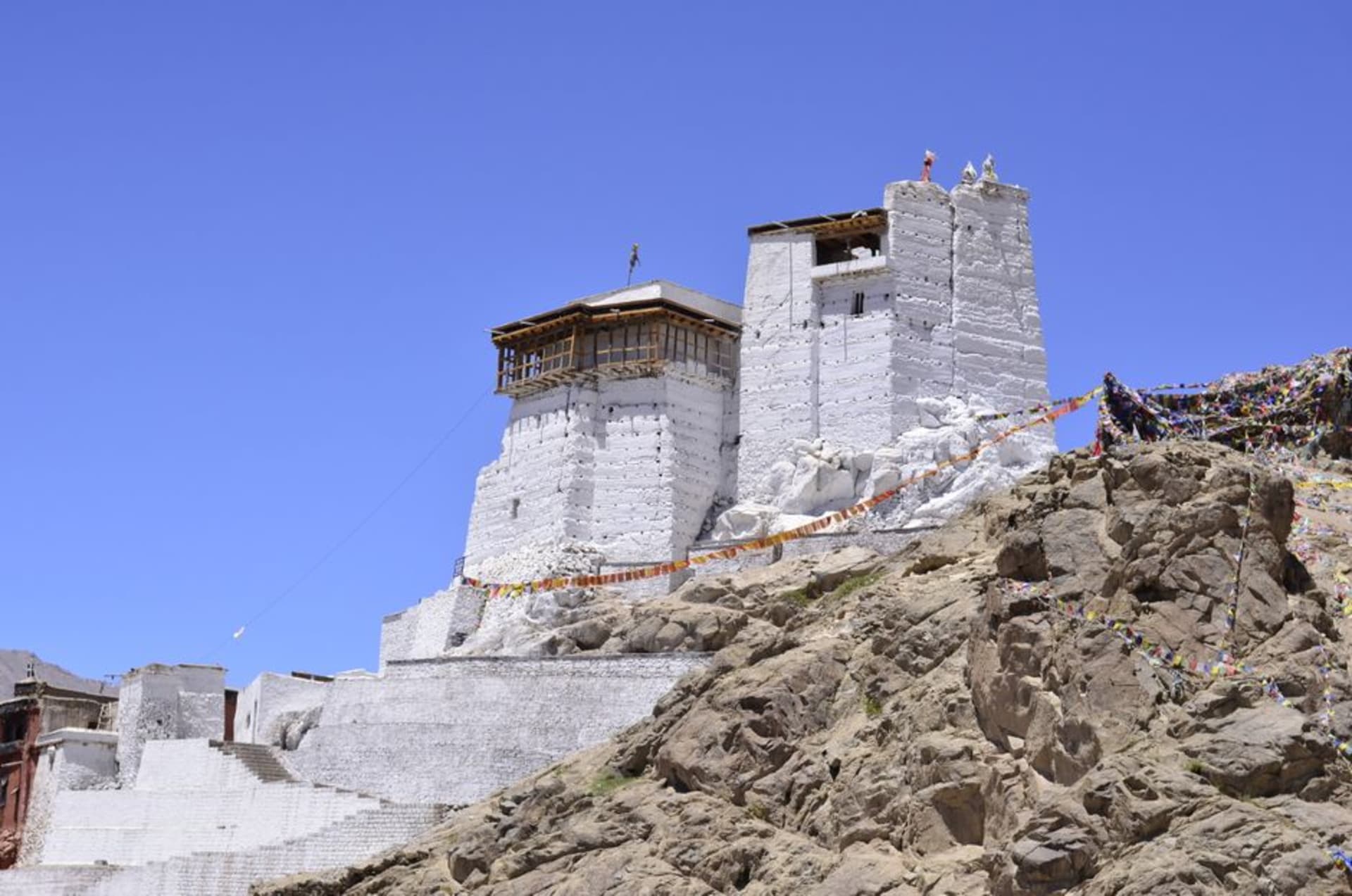
Above the bazaar sits Leh Palace, a nine-storey mud-brick structure built in the 17th century by King Sengge Namgyal, and it is impossible not to think of Lhasa the moment you see it — the resemblance to the Potala Palace is deliberate, and locals will tell you so before you even ask. It is mostly empty inside now, its wooden beams creaking underfoot, but the climb rewards you with a view over the whole valley: the Indus River cutting through brown hills, whitewashed stupas dotting the slopes, and the jagged wall of the Stok Kangri range on the horizon. I went up around five in the evening and had the upper terrace to myself except for a stray dog who seemed to consider it his terrace and merely tolerated my presence.
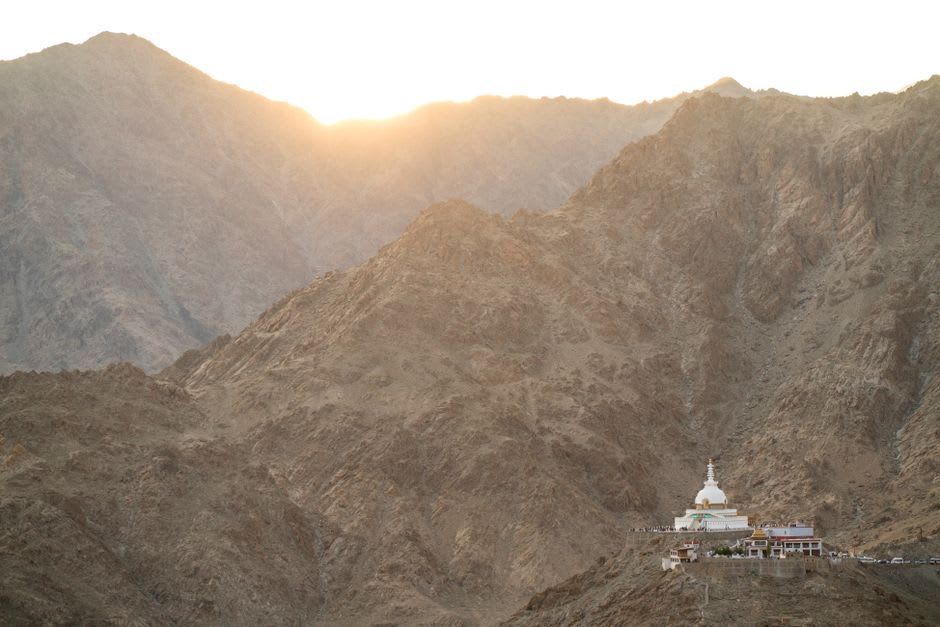
Shanti Stupa, a white-domed monument built by Japanese Buddhist monks in 1991, sits on a hill on the opposite side of town and is the better spot for sunrise — I went at 5:30am with a flask of chai and watched the light hit the palace across the valley first, then slide down into the bazaar street by street. A monk was already there doing his own morning rounds, spinning the prayer wheels at the base without looking up.
When to go: Leh is only reachable May through October, when the passes and airport schedules are reliable; June to September is peak season and the town is at its most alive, though book your first night’s guesthouse in advance and plan on doing absolutely nothing your first day.