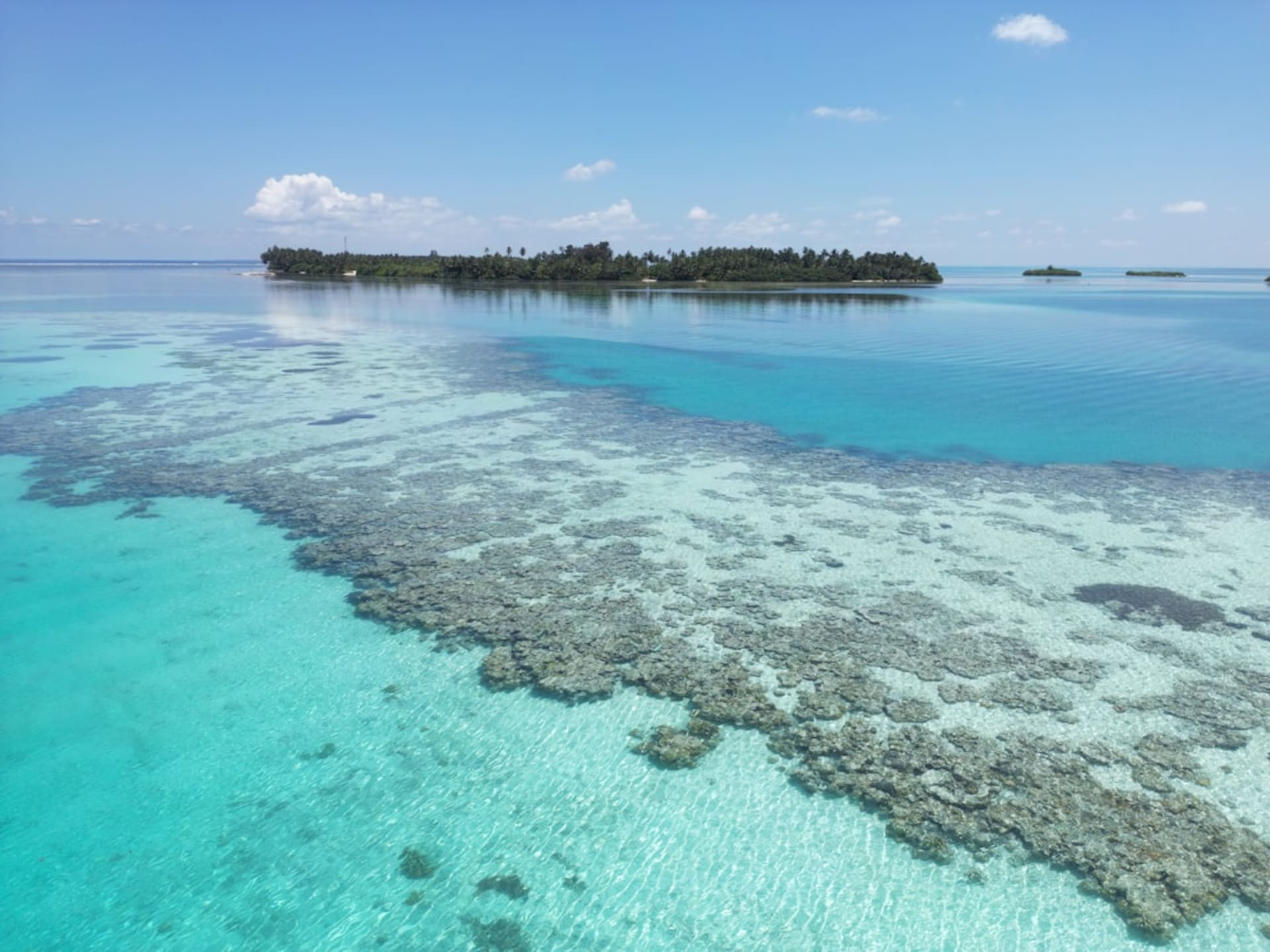
Lakshadweep
"The most beautiful place in India that almost nobody I know has actually been to."
India's smallest, least visited territory, a scatter of coral atolls in the Arabian Sea where a permit stands between you and lagoons the color of glass.
I want to be honest about how much bureaucracy came before the beauty. Lakshadweep is India’s smallest union territory, a string of coral atolls scattered in the Arabian Sea roughly two to four hundred kilometers off the Kerala coast, and unlike almost anywhere else in the country, you cannot simply show up. Both Indian and foreign visitors need a permit issued through the territory’s tourism department, numbers are capped, and only a handful of the thirty-six-odd islands are open to outsiders at all — the rest are reserved for the local population, who are almost entirely Muslim and whose way of life the administration has deliberately tried to shield from mass tourism. I applied through a tour operator weeks in advance, and even then the confirmation didn’t land until four days before my ferry from Kochi.
The ferry itself takes the better part of a day and night, and I woke up to my first sight of Agatti through a porthole: a strip of land so narrow and so ringed by pale, glowing water that it looked, from a distance, like the island was floating an inch above the sea rather than sitting in it. That’s the atoll structure doing its work — Lakshadweep’s islands are the exposed rims of ancient coral reefs built up around long-submerged volcanic peaks, and the lagoons they enclose are shallow enough that sunlight bounces straight back up through impossibly clear water in bands of turquoise, jade, and a blue I don’t have a real name for.
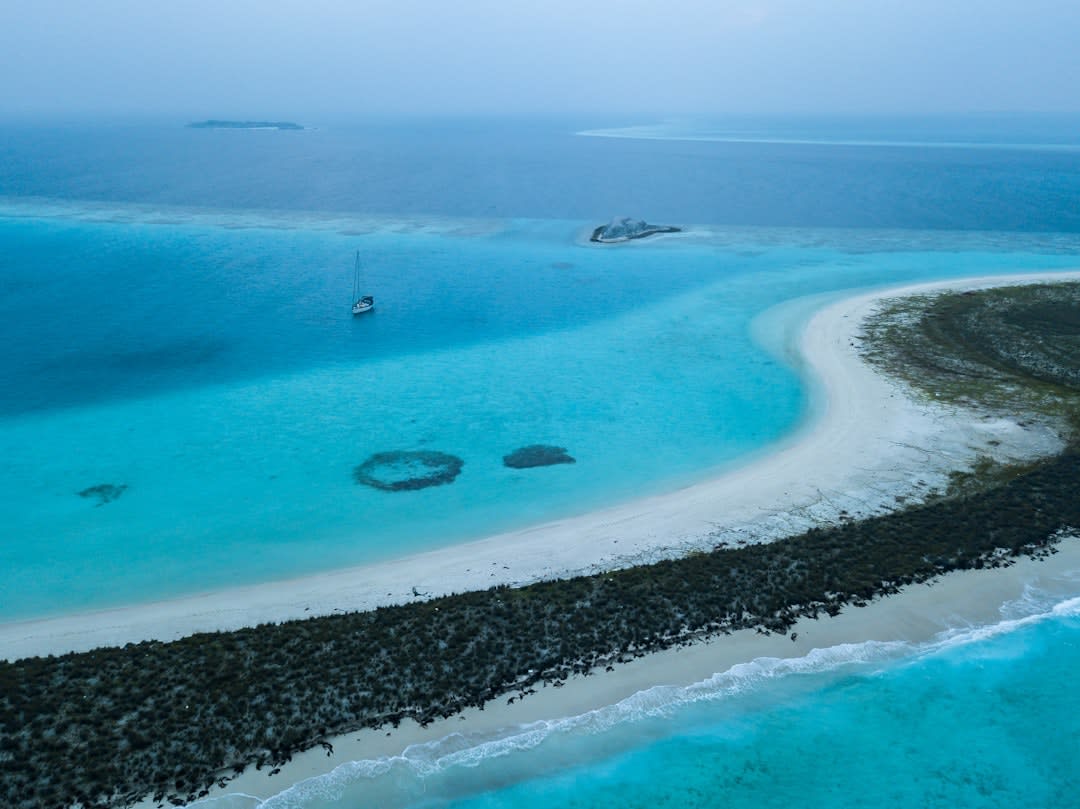
Bangaram, and a silence I wasn’t used to
From Agatti I took a smaller boat to Bangaram, an uninhabited island given over entirely to a small resort and its lagoon, and the silence there undid something in me that months of traveling through India’s cities hadn’t managed to touch. No traffic, no calls to prayer competing with temple bells, no horns — just wind through casuarina trees and the occasional slap of a flying fish breaking the lagoon’s surface. I snorkeled straight off the beach most mornings, finding parrotfish, sea turtles, and reef sharks in water so clear I could track a turtle’s shadow on the sand fifteen feet below me before I ever saw the turtle itself.
The local culture, on the inhabited islands I passed through, runs on coconut and fishing — copra production and tuna have been the economic backbone here for generations, and the Islamic architecture of the mosques on Agatti, simple white structures with modest minarets, felt worlds away from the temple-dense Kerala coast I’d just left. It is, geographically and culturally, one of the strangest and most distinct corners of the country, and one of the very few places in India where I felt genuinely far from everything.
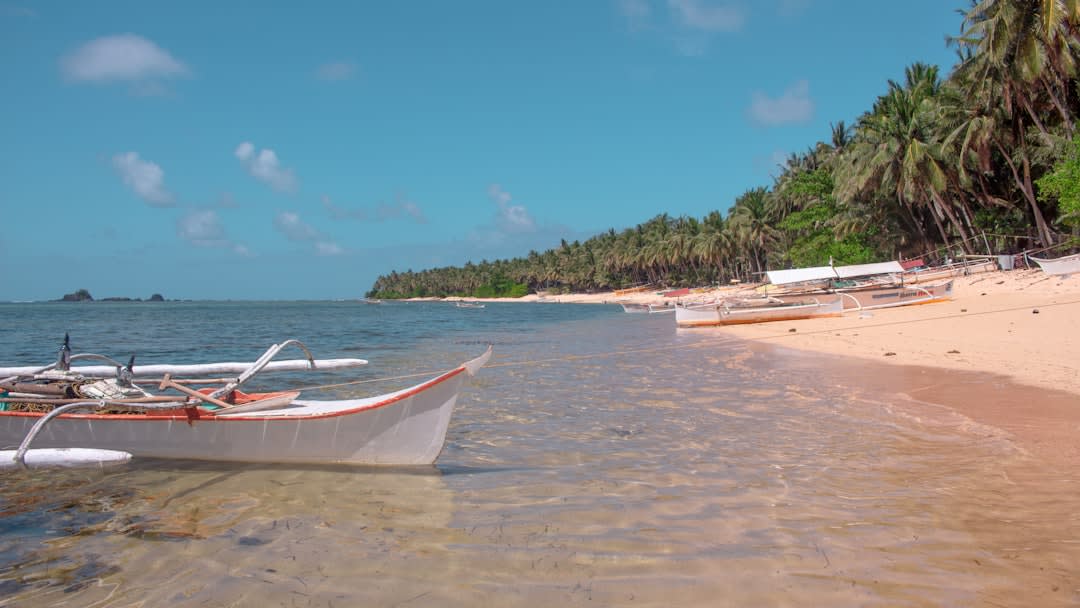
When to go: October to March, when the sea is calm enough for the ferry crossings to run reliably and the lagoons are at their clearest; the territory effectively shuts to tourism during the monsoon months from June to September.