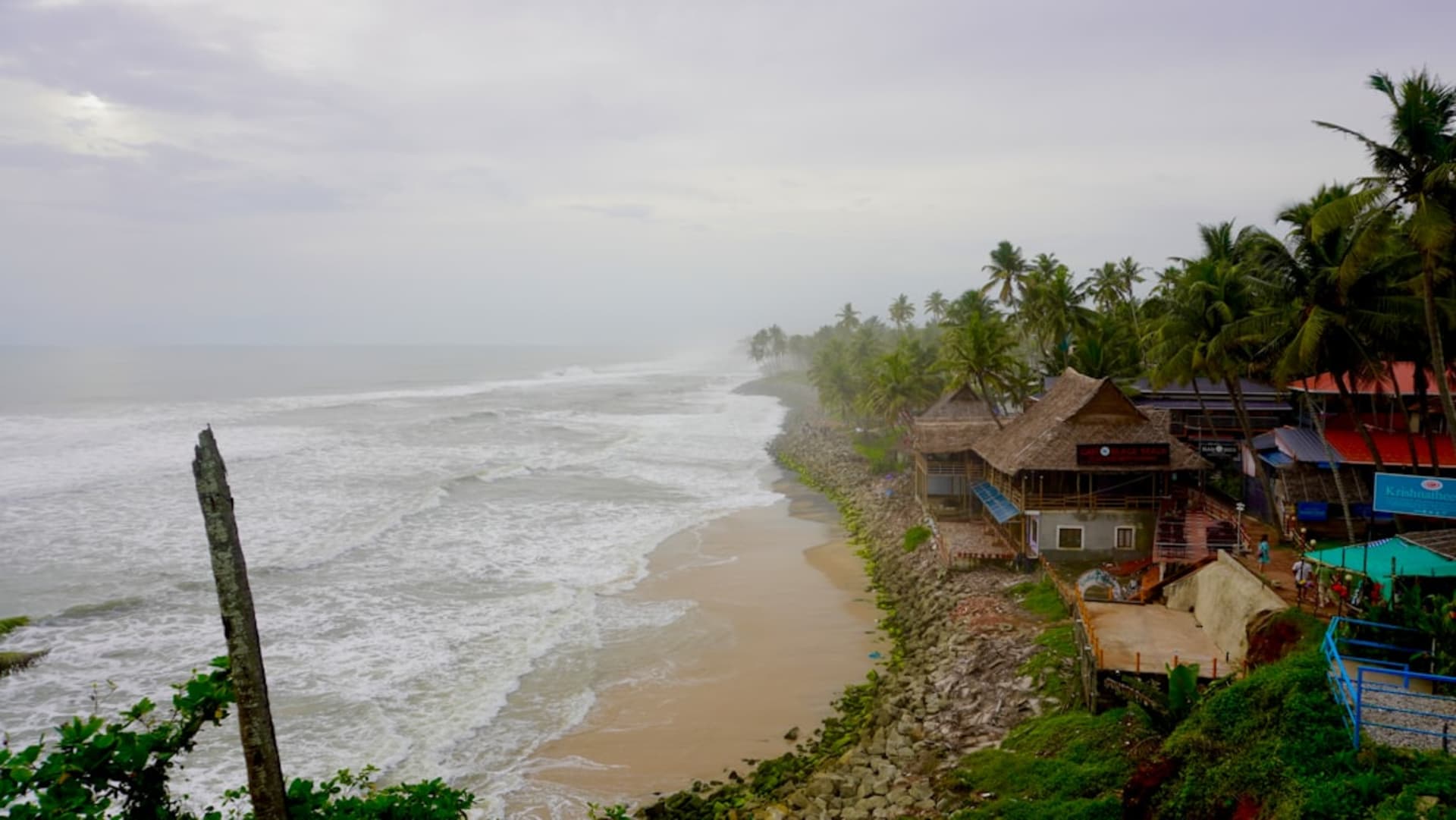
The crescent beach that taught India how to sell relaxation to foreigners, where Ayurvedic oil still outsells sunscreen along the Lighthouse cliff.
I got to Kovalam the tired way, on a rattling bus from Thiruvananthapuram that dropped me at a junction where auto-rickshaw drivers were already shouting the names of guesthouses like carnival barkers. Ten minutes later I was standing on Lighthouse Beach with my bag still on my shoulder, and the crescent of sand did the thing every travel article promises and almost none deliver: it actually looked like the photo. Red cliffs at one end, the lighthouse itself striped like a candy cane at the top of them, fishing boats pulled up on the sand mid-beach, and a line of open-air restaurants with the day’s catch laid out on ice so you could point at the fish you wanted grilled that evening. It was late afternoon and the light was doing that flat gold thing it does near the equator, and I remember thinking this was the first place in India where I’d seen foreigners simply lying still, doing nothing, and no one hassling them about it.
Kovalam has been doing this since long before “wellness tourism” was a marketing phrase. Hippies found it in the sixties and seventies, drawn by the same crescent beaches, and by the eighties Kerala’s state tourism board had figured out that this stretch of coast could be sold as India’s answer to Goa, minus the trance parties. What stuck instead was Ayurveda — proper, structured, multi-week treatment courses rather than the forty-minute massage-for-tourists version you get elsewhere. Practitioners here trained for years, and the therapy centers along the cliff still smell faintly of warmed sesame oil and crushed herbs at all hours.
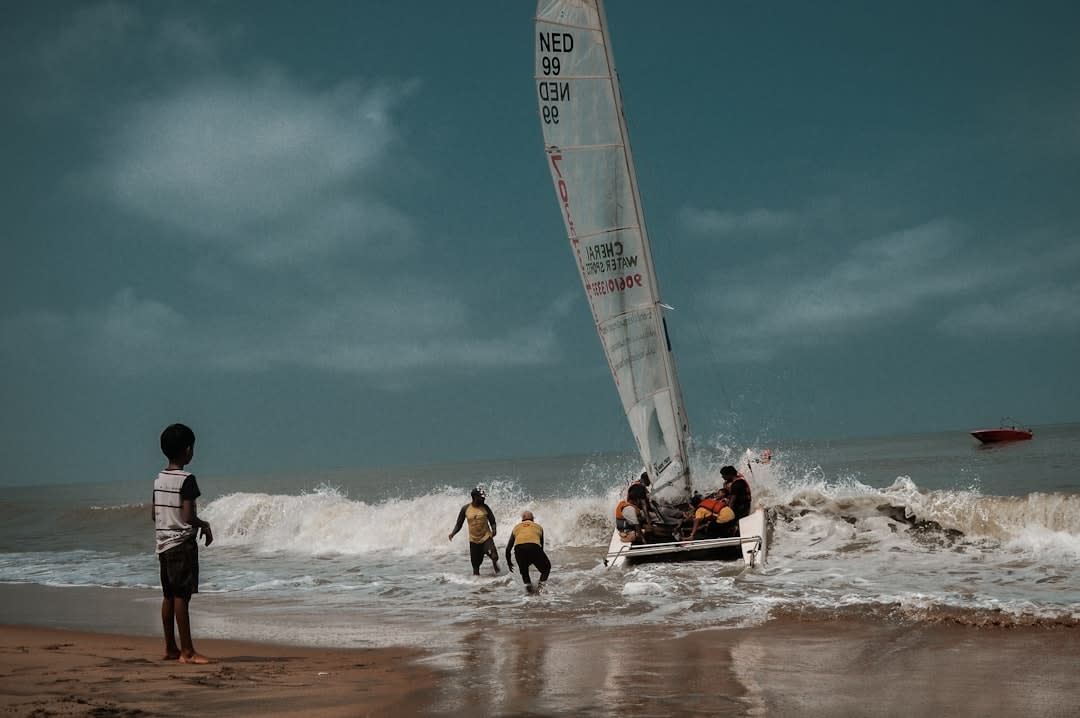
Two beaches, two moods
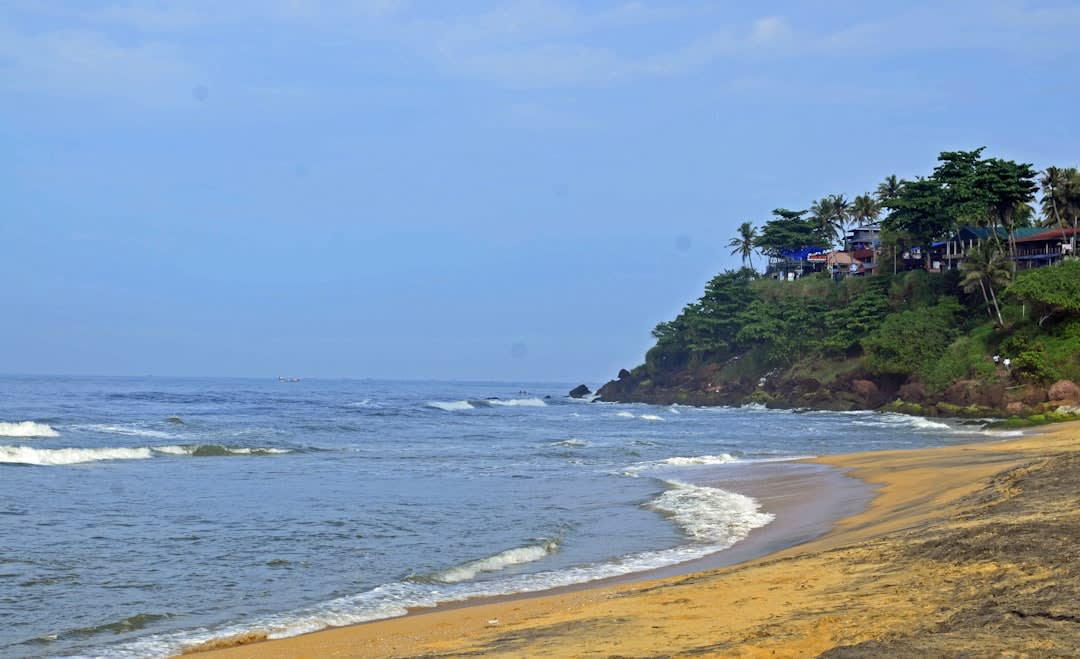
Lighthouse Beach is the show — restaurants stacked three deep along the promenade, sunset crowds, the climb up the lighthouse itself for a view that stretches down the coast toward Poovar. Hawah Beach, just north over the rocky point, is quieter and used to be the unofficial nude beach back when Kovalam had a wilder reputation; today it’s calmer, more local, more fishing nets than sun loungers. I walked the path between the two most evenings, past the same group of women mending nets on the rocks, who by my third day had started nodding at me like a regular instead of studying me like a tourist. I had my Ayurvedic massage on day two, ninety minutes of a therapist working oil into muscles I hadn’t realized were tense, in a room with the shutters open to the sound of the surf, and I walked out loose-limbed and slightly dazed in the way good Ayurveda does to you.
Dinner most nights was the same ritual: pick a red snapper or a king fish from the ice display, watch it get grilled in butter and Kerala spices over an open flame right there on the sand, and eat it with a cold Kingfisher while the lighthouse beam swept overhead every few seconds. It’s not complicated food and it doesn’t need to be — the fish is that good, the sea that close.
When to go: December to February for the driest, coolest weather and the highest concentration of the beach’s energy. Ayurvedic treatments are traditionally recommended in the monsoon months (June to August) when the humidity is said to open the pores for the oils, though the beach itself is far quieter and wetter then.