Kodaikanal
"Kodaikanal is what Tamil Nadu does with its heat when it needs somewhere cold to send it."
A star-shaped lake and pine-scented mist in the Palani Hills, built by nineteenth-century missionaries fleeing the plains' heat and still doing exactly that job.
The temperature dropped almost ten degrees in the space of a single hairpin bend, somewhere past Palani on the road up into the hills, and I actually rolled the window down just to confirm it was real. By the time the bus reached Kodaikanal, mist was moving through the pine trees in slow drifts, and everyone around me had produced a shawl or a jacket from somewhere as if this were a rehearsed ritual. In a state where the plains regularly hit forty degrees, arriving in Kodaikanal feels less like a change of scenery than a change of country.
A Hill Station Built for Escape
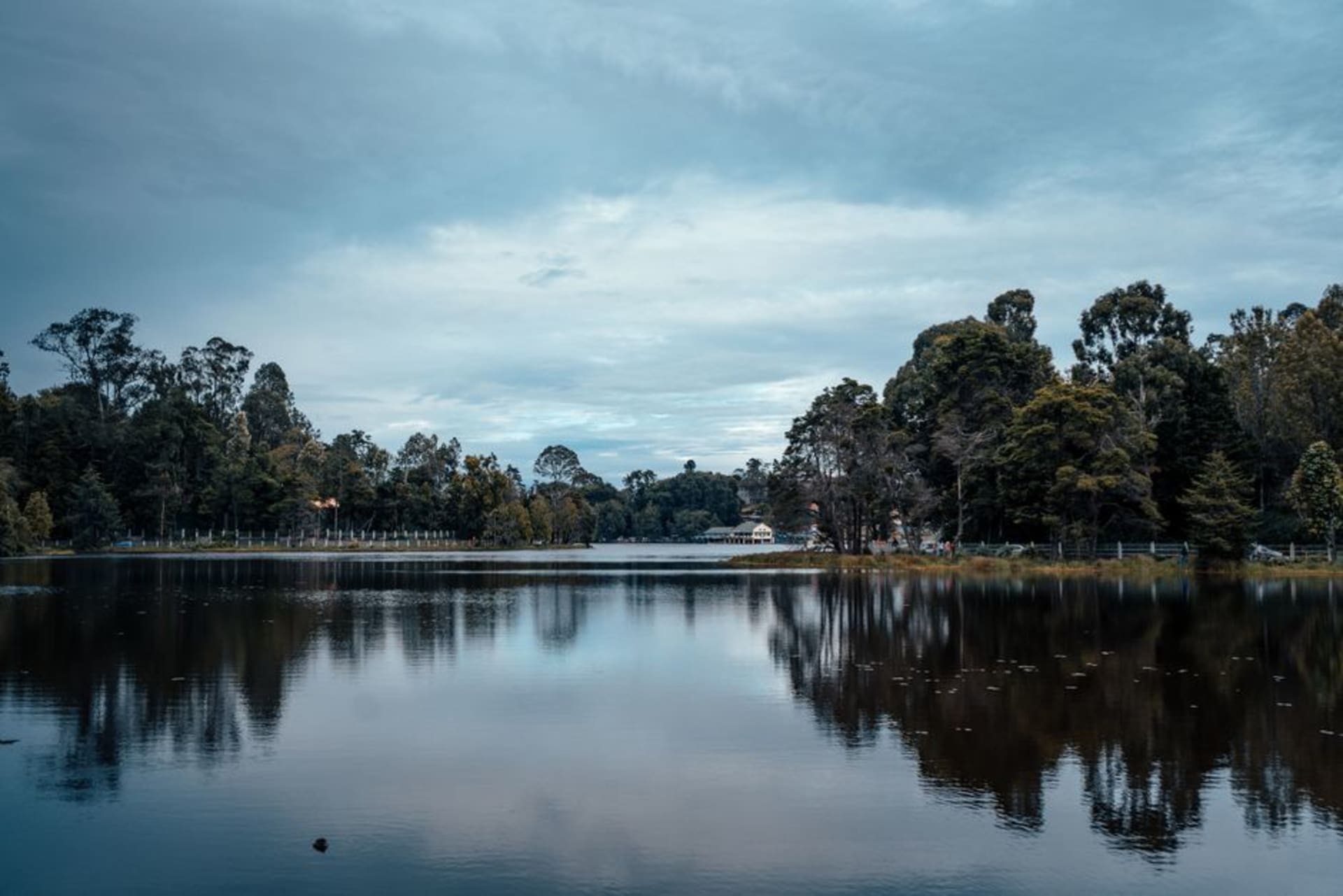
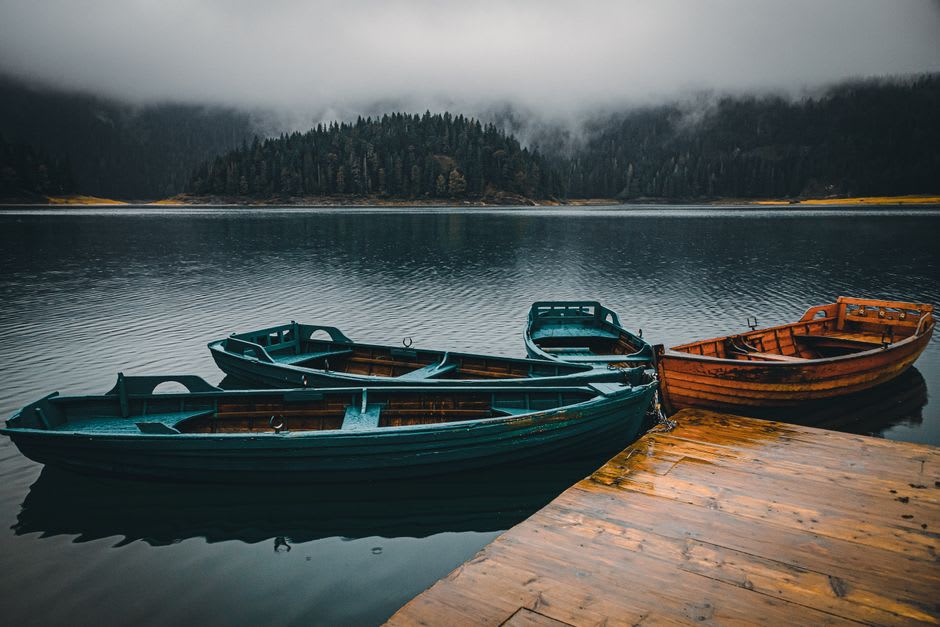
American Christian missionaries founded Kodaikanal in 1845, deliberately, as a retreat from the heat and disease of the lowlands — the same impulse that built Ooty and Munnar, but here executed with a particular New England restraint you can still see in the older cottages around the lake, with their pitched roofs and stone chimneys that look faintly absurd and faintly wonderful in the middle of the Palani Hills. The star-shaped Kodaikanal Lake at the center of town was artificially created in 1863 by damming a mountain stream, and it remains the town’s organizing feature: boaters circle it in the mornings, walkers do laps on the shaded path around its edge, and the water holds a chill fog well past sunrise most of the year. I rented one of the old wooden rowboats and paddled out just as the mist was lifting off the surface, and the silence out there, broken only by the oars, was the first real quiet I’d had in weeks of Tamil Nadu’s noise.
Pillar Rocks and the Shola Forest
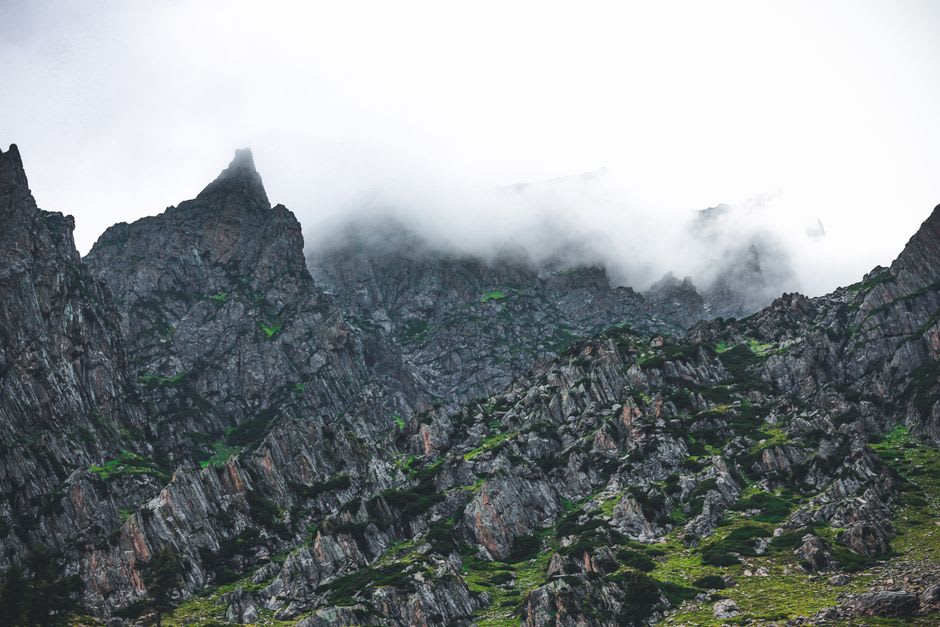
A few kilometers out of town, the road climbs to Pillar Rocks — three sheer granite columns rising nearly four hundred feet out of the shola forest, appearing and disappearing through cloud that moves faster here than anywhere else I’ve stood in India. I got there on a morning when the fog was thick enough to hide the rocks entirely for the first twenty minutes, and then, without warning, the cloud tore open and the columns simply appeared, close enough to feel their scale in my chest. The shola forest itself — a stunted, moss-draped, almost fairy-tale woodland unique to these high shoulders of the Western Ghats — smells of wet bark and eucalyptus, and walking through it in the cold felt more like the Scottish Highlands than the Tamil Nadu I’d left behind at the base of the hills.
When to go: April to June offers the clearest skies and warmest days for a hill station this high, while October and November bring a colder, mistier version that I found more atmospheric, if you pack accordingly.