Kochi
"Four empires passed through Kochi and each one left something they forgot to take back."
A port city layered by Portuguese, Dutch, and British rule, where Chinese fishing nets still work the harbor and a five-hundred-year-old synagogue sits in a spice-scented lane.
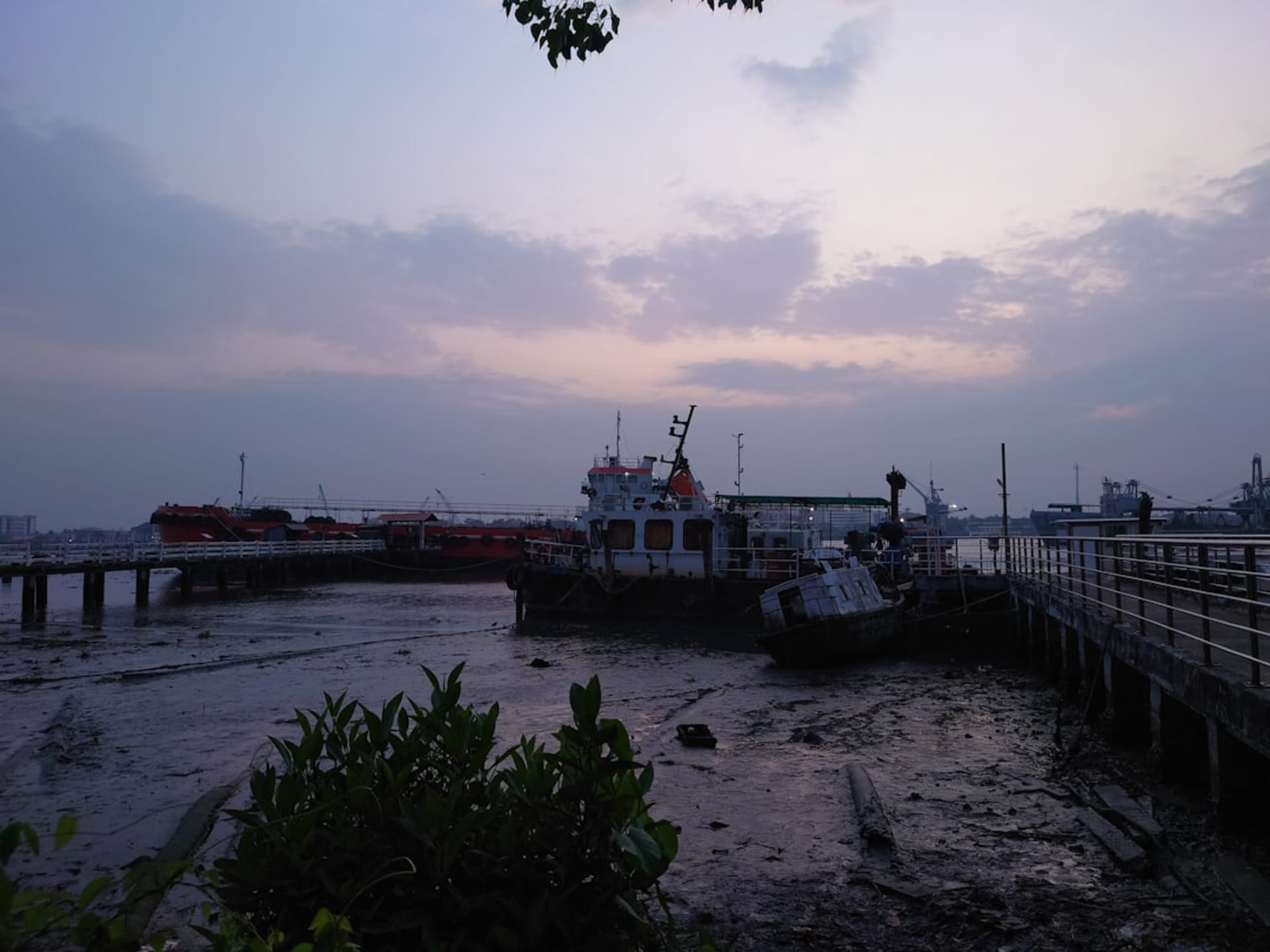
The Chinese fishing nets at Fort Kochi are the image everyone shows you before you arrive, and I’d braced myself for the disappointment of a photograph turning out to be more impressive than the real thing. It wasn’t. Watching four or five men haul on a system of counterweights and bamboo levers the size of a small building, lowering an enormous net into the harbor and hauling it up again dripping and occasionally full, at golden hour, with the light hitting the wet net ropes — it’s a piece of working machinery that’s been essentially unchanged since traders reportedly brought the design from the court of Kublai Khan in the fourteenth century, and it still catches dinner.
A City Built by Whoever Arrived Last
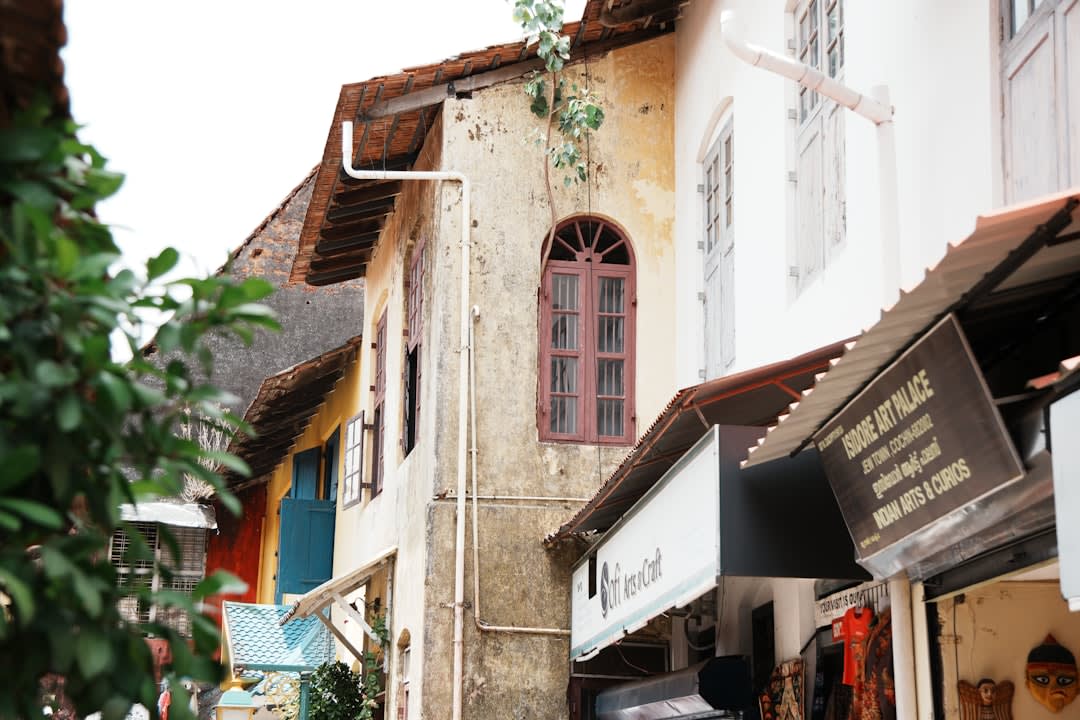
Kochi’s peculiar charm is that it never settled on one colonial identity, because it kept changing hands. The Portuguese arrived first in 1500 and built forts and churches; the Dutch took over in 1663 and left their own layer of architecture and administration; the British came after that and added their own institutions on top. Walking through Fort Kochi and Mattancherry, you pass a Portuguese-built church where Vasco da Gama was originally buried, Dutch-influenced colonial bungalows with deep verandas, and British-era warehouses, sometimes on the same street, within a hundred meters of each other. I found this less confusing than I expected — more like reading the rings of a tree, each layer visible if you know what to look for.
Mattancherry’s Synagogue and an Evening of Kathakali
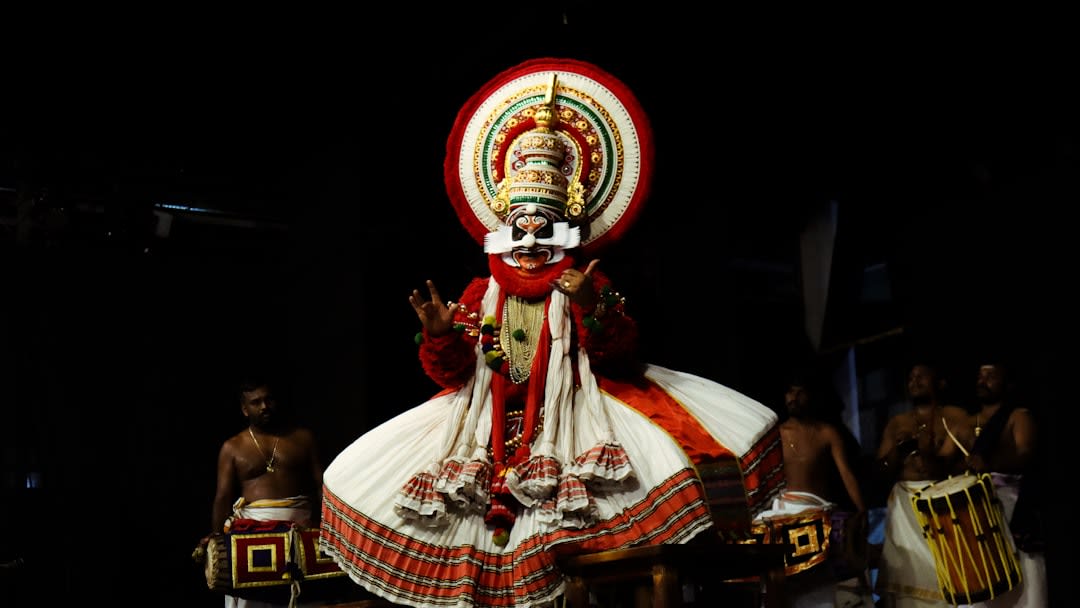
In the spice-trading district of Mattancherry, down a narrow lane thick with the smell of cardamom and dried ginger from the wholesale warehouses, sits the Paradesi Synagogue, built in 1568 by Jewish traders who’d settled here centuries earlier, drawn by Kochi’s pepper trade. The floor is laid with hand-painted Chinese willow-pattern tiles, no two identical, gifted in the eighteenth century, and the community that once filled these pews has dwindled to almost nothing today — a handful of families left in what was once one of India’s oldest Jewish settlements. That same evening I watched a Kathakali performance at a small cultural center nearby, and the ritual of it was as compelling as the dance itself: performers sat in front of us for over an hour applying elaborate green and red face paint by hand, building expressions layer by layer, before a single drumbeat of the actual story began. By the time the performance started, I understood the makeup better than the plot, and that felt like the right order to learn it in.
When to go: December to February for cool evenings ideal for wandering Fort Kochi on foot; the Kochi-Muziris Biennale, when it runs, turns the whole old town into a contemporary art trail worth timing a visit around.