Kaziranga
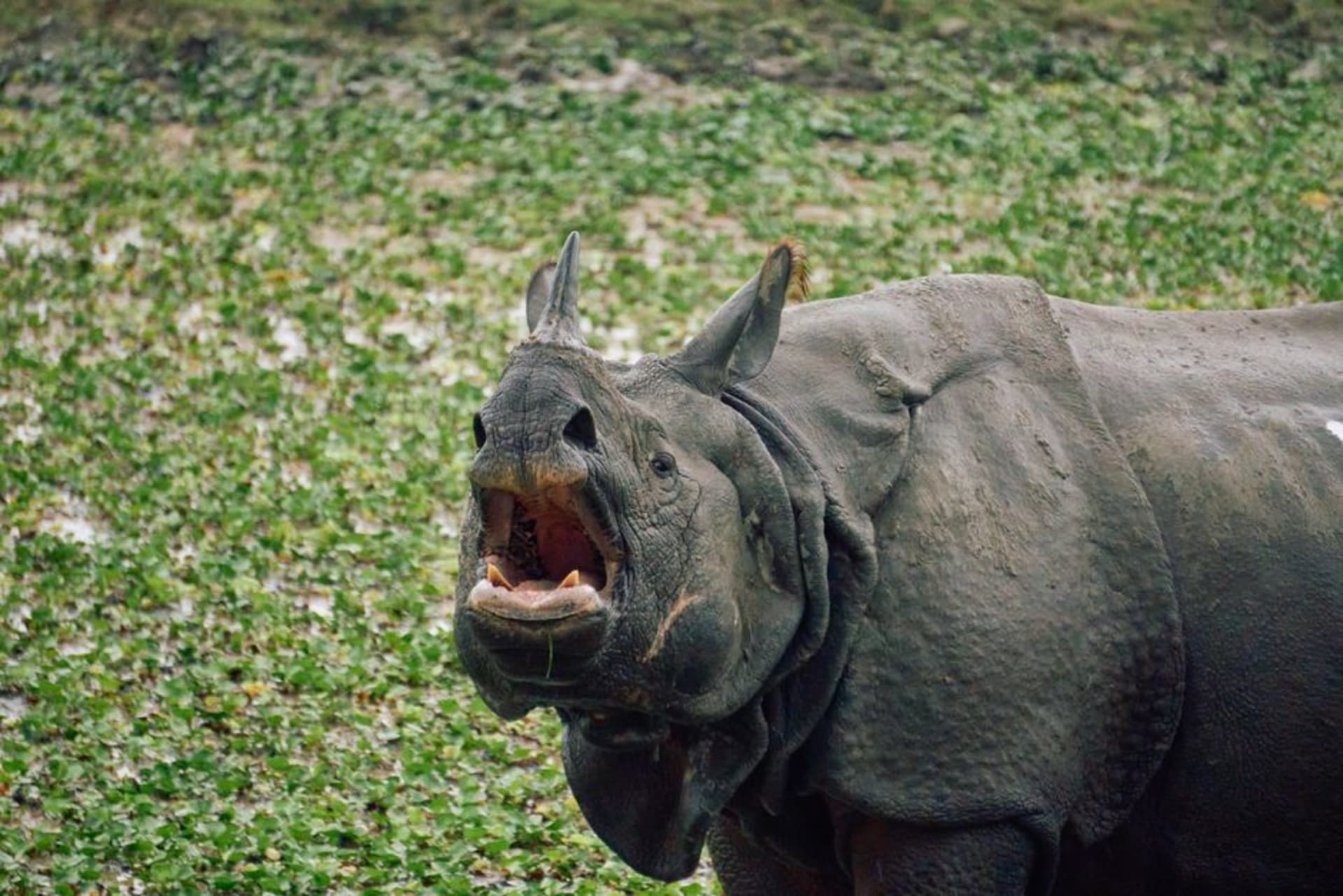
"I have seen rhinos in zoos my whole life. Nothing prepared me for one twenty feet away in wild grass, snorting, entirely unbothered by me."
A UNESCO grassland reserve on the Brahmaputra floodplain holding two-thirds of the world's one-horned rhinoceros, seen best from the back of an elephant at dawn.
The mist hadn’t fully lifted off the grassland when our elephant, a patient old female named Mainao, waded through waist-high elephant grass and stopped, without any instruction from her mahout, about twenty feet from a full-grown one-horned rhinoceros. It didn’t run. It didn’t even fully look up — just kept grazing, occasionally flicking an ear, while I sat on a wooden platform strapped to Mainao’s back and tried to process the fact that this enormous, prehistoric-looking animal considered us so unthreatening it wasn’t worth the energy of a reaction. That indifference is, in its own way, Kaziranga’s whole story: an ecosystem so successfully protected that the animals have mostly stopped being afraid.
Kaziranga National Park, spread along the southern bank of the Brahmaputra in Assam, holds around two-thirds of the entire global population of the greater one-horned rhinoceros — a species that was hunted to a few hundred individuals across the subcontinent by the early twentieth century and has been rebuilt here, largely from scratch, through a century of dedicated anti-poaching effort. It became a UNESCO World Heritage Site in 1985, and today the park’s rhino population sits somewhere north of 2,600, a genuine conservation success story in a region with no shortage of the opposite.
Elephant grass, floodplain, and the annual flood that makes it all work
What struck me most, beyond the rhinos themselves, was the landscape doing the sustaining. Kaziranga is built on the Brahmaputra’s floodplain, and every monsoon the river swells and submerges large parts of the park, an annual flood that looks catastrophic on the news each year but is actually the ecosystem’s engine — it deposits silt, clears deadwood, and regenerates the elephant grass that towers over your head and gives the whole park its name and texture. Without the flood, rangers told me, the grassland would gradually turn to scrub forest and the rhinos, adapted specifically to tall grass and wetland, would have nowhere to go.
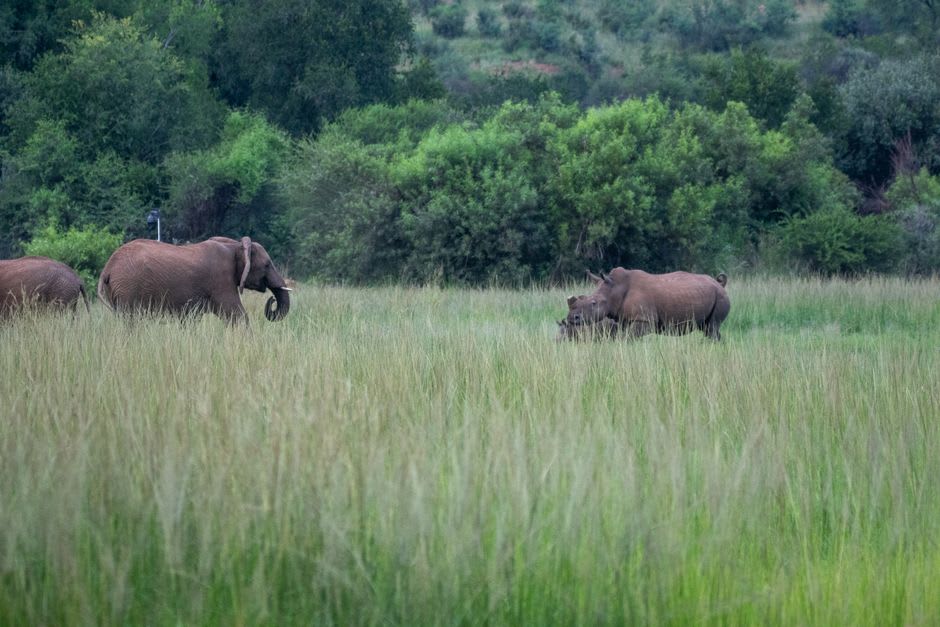
I did both the elephant safari at dawn and a jeep safari in the afternoon, and they showed me different parks. The elephant, moving slow and quiet through grass too tall for any vehicle, got us close to rhinos and to a sounder of wild boar that barely stirred. The jeep, faster and louder, took us across open floodplain where we watched a herd of wild Asiatic water buffalo cross a shallow channel and, at a distance that made my guide go instantly silent and point rather than speak, a Bengal tiger cross the track ahead of us and vanish into grass in under four seconds.
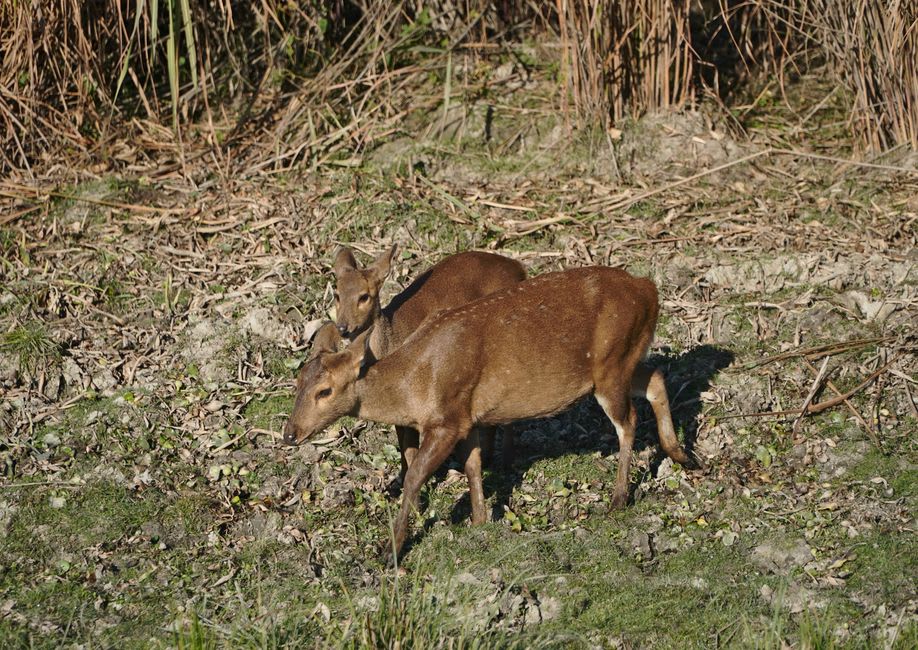
When to go: November to April, when the park is open and dry — it closes completely from May to October during the monsoon flooding. December and January are peak season, coolest and clearest, with the grass cut low enough for the best rhino sightings.