Kasol
"Kasol is the Himalayas as seen through a very specific, very stoned lens -- and it's a lens worth looking through once."
A former Israeli backpacker outpost on the Parvati river, where hummus cafés and reggae outnumber traditional dhabas, and the mysterious village of Malana broods on a ridge above.
The first thing I noticed in Kasol was the menus — hummus, shakshuka, Israeli salad, and falafel wraps chalked up next to the usual dal and rice, in a village of maybe a few hundred permanent residents tucked into the Parvati valley. Kasol has been a fixture on the Israeli backpacker trail since the 1990s, when travelers finishing their military service started drifting through Himachal in search of cheap guesthouses and cheaper charas, and the village reorganized itself almost entirely around that clientele — Hebrew signage, guesthouses named things like “Shalom Guest House,” and a reggae-and-trance soundtrack drifting out of riverside cafés that never quite stops.
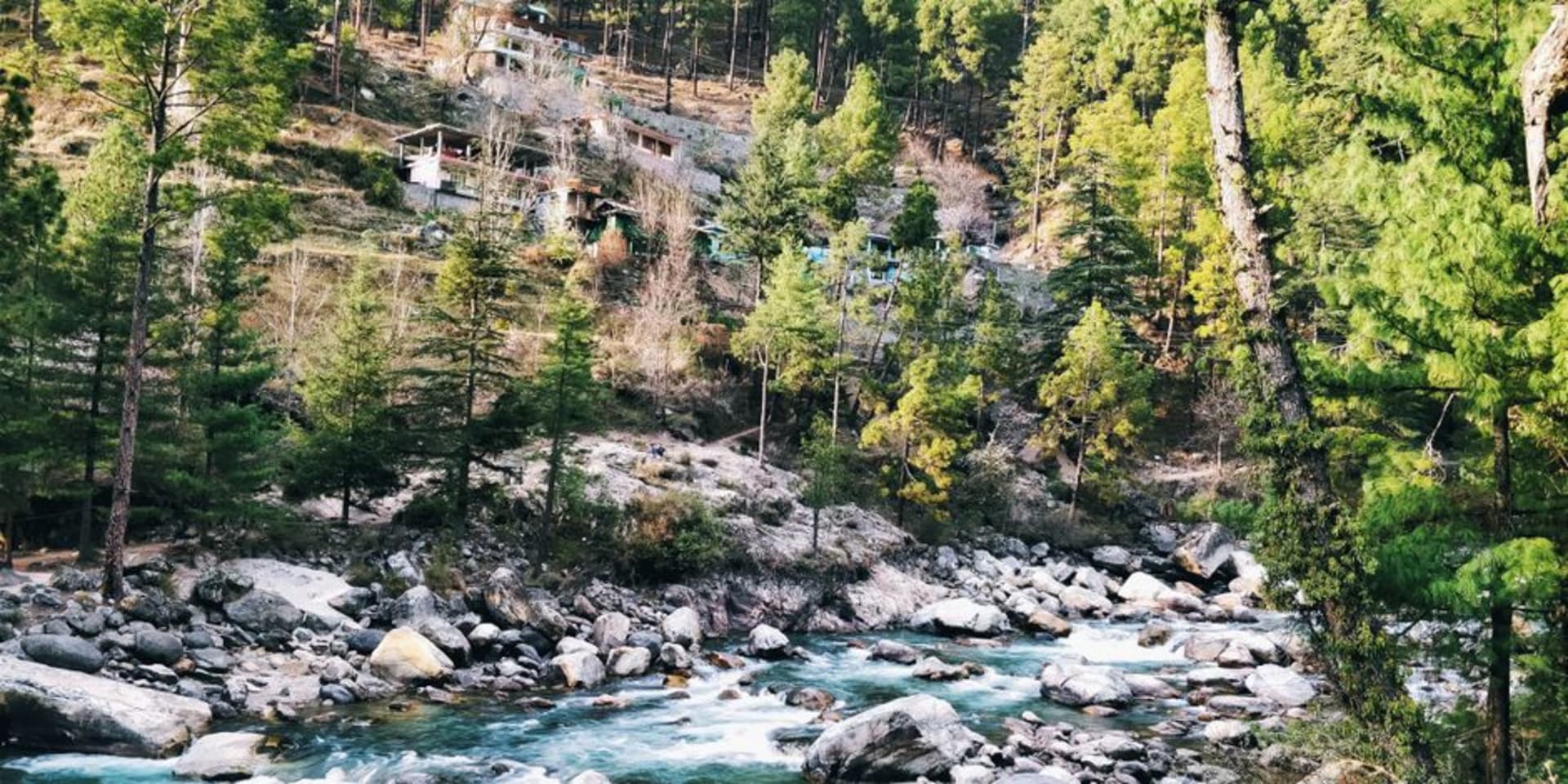
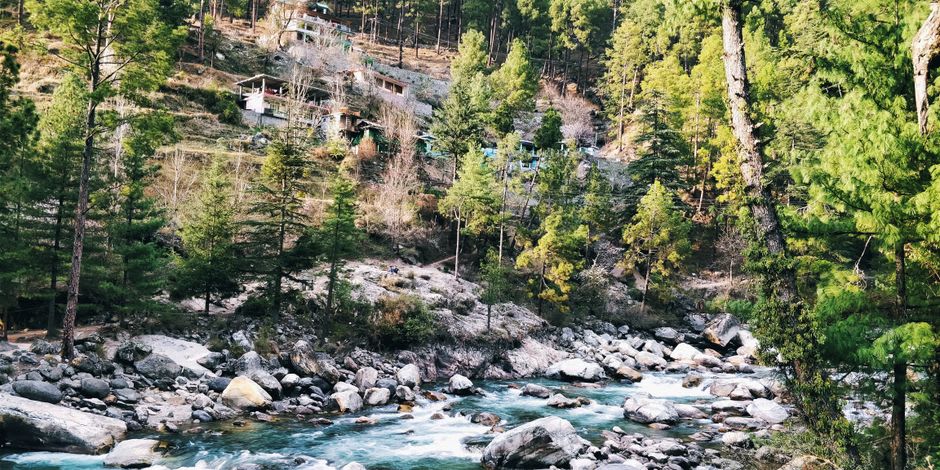
I sat by the Parvati river one afternoon, its water a startling glacial turquoise-grey, rushing hard enough that conversation required raising your voice, and got talking to a group of travelers — an Israeli, two Russians, and a guy from Bangalore — who’d all been in Kasol for “a few days” that had somehow stretched into three weeks. That’s the Kasol gravity well: the valley is genuinely beautiful, the pace is genuinely slow, and there’s a whole subculture built around never quite leaving.
The village that answers to nobody
What actually pulled me to this valley was Malana, a village perched on an isolated ridge a stiff few hours’ trek above Kasol, which claims to run one of the world’s oldest democracies — a council system some locals date back over two thousand years — and which has historically kept such firm cultural distance from outsiders that visitors are asked not to touch buildings, walls, or residents directly, on pain of a fine paid to the village council. Malana is also, more famously among the backpacker crowd, the source of Malana Cream, a hand-rubbed charas considered among the finest in the world, which explains a fair share of the pilgrimage traffic up that trail, though the village’s isolation and its own internal customs long predate any of that reputation.
I made the trek up on a clear morning, the path switch-backing through pine forest and then opening onto steep terraced fields, and reached a village that felt genuinely apart from the rest of Himachal — timber-and-stone houses with elaborately carved facades, a temple to the local deity Jamlu that outsiders can’t enter, and an atmosphere of guarded self-sufficiency that no amount of tourist traffic seems to have dented. Back down in Kasol that evening, eating an unreasonably good falafel wrap by the river with the sound of someone’s guitar drifting from a nearby balcony, the contrast between the two places — one closed and ancient, one open and transient — summed up the whole Parvati valley for me.
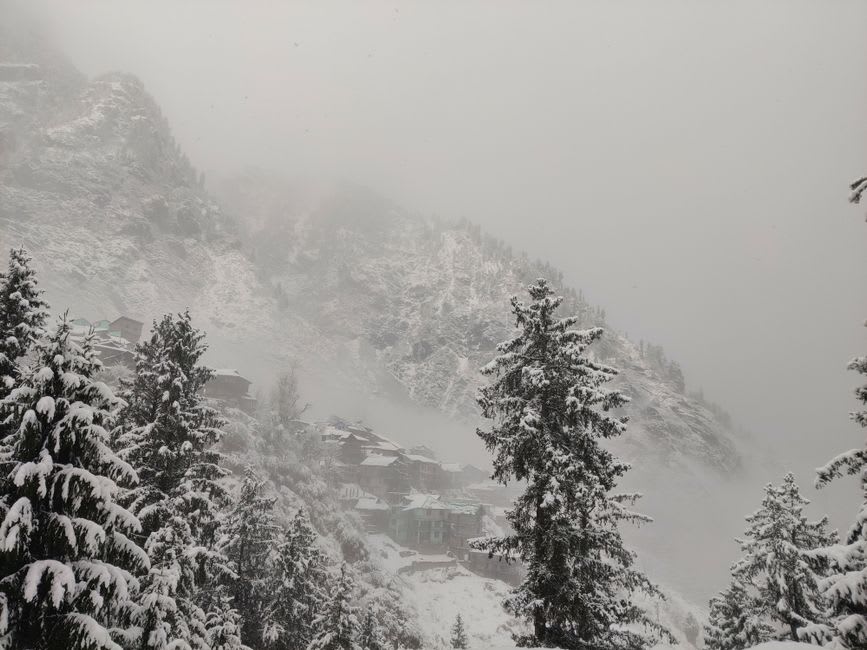
When to go: March to June and September to November for good trekking weather. Malana and higher Parvati valley treks are best avoided during the July-August monsoon, when trails turn to mud and landslides are common.