Kanha National Park
"The forest that raised Mowgli -- and it still feels exactly like the book."
The sal-and-bamboo forest that gave Kipling the setting for The Jungle Book, and the place where a nearly extinct swamp deer was pulled back from the edge.
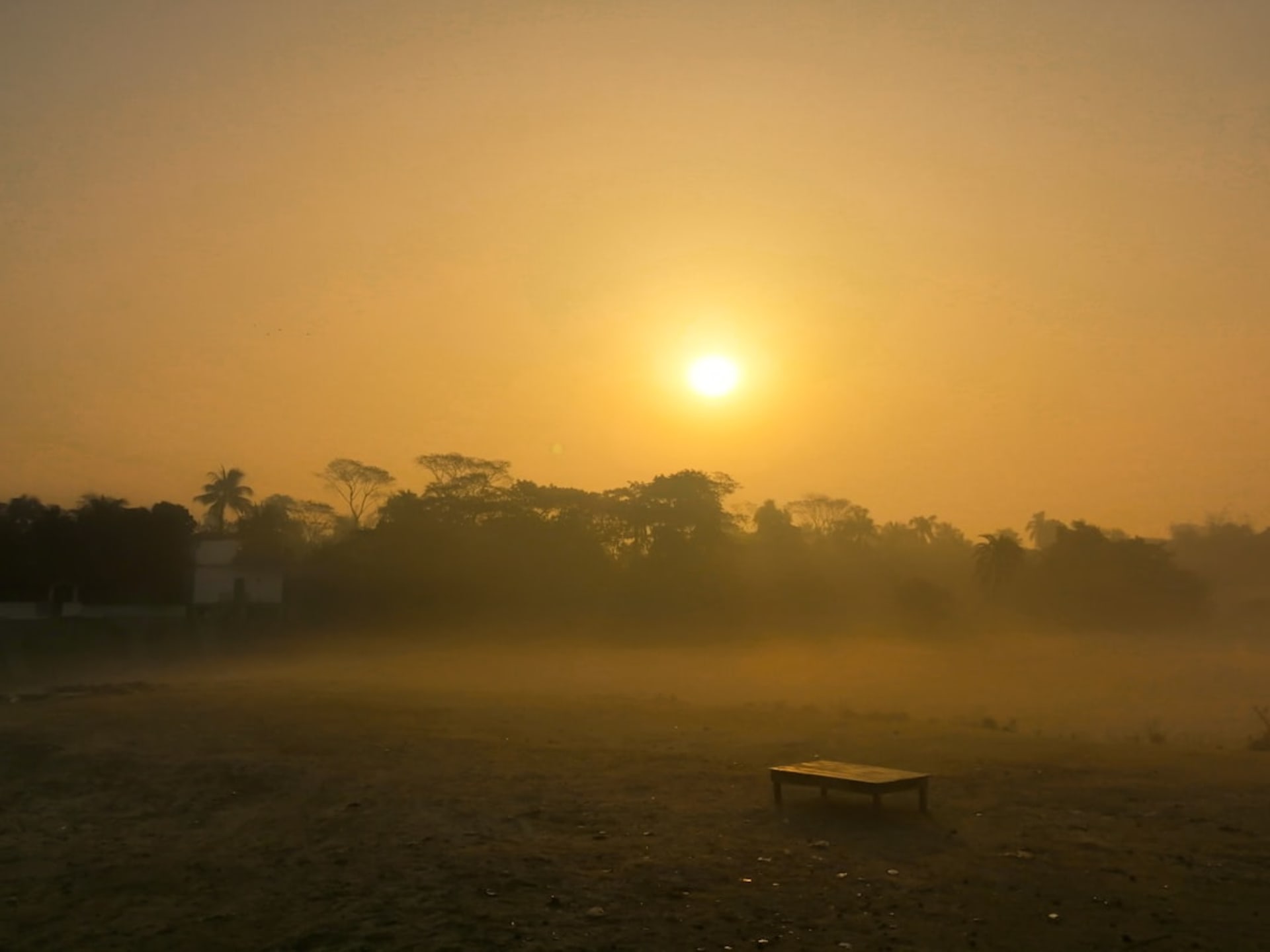
I’d read The Jungle Book as a kid, the way most people have, without ever quite registering that it was set somewhere real. It’s only once you’re actually in Kanha, at five in the morning, jeep engine cutting through mist that’s pooled thick in the hollows between sal trees, that the connection clicks into place. Rudyard Kipling never visited Kanha himself — he wrote the stories from accounts and research rather than firsthand travel — but the terrain his brother-in-law described to him, and the descriptions naturalists later confirmed matched almost exactly, is unmistakably this landscape: dense sal forest opening into meadows, bamboo thickets thick enough to swallow a tiger whole, streams cutting through everything. My guide, a wiry man who’d worked in the park for over two decades, pointed out a rocky outcrop midway through our drive and told me flatly that this was one of the spots most commonly cited as the inspiration for Kipling’s Council Rock. I have no way to verify it and neither, really, did he, but standing there in the mist, I wanted to believe it.
The deer that came back from twenty-nine
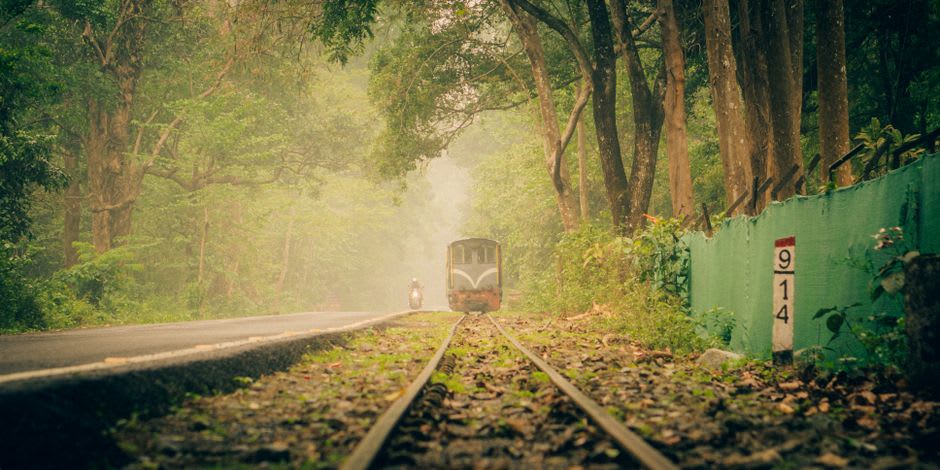
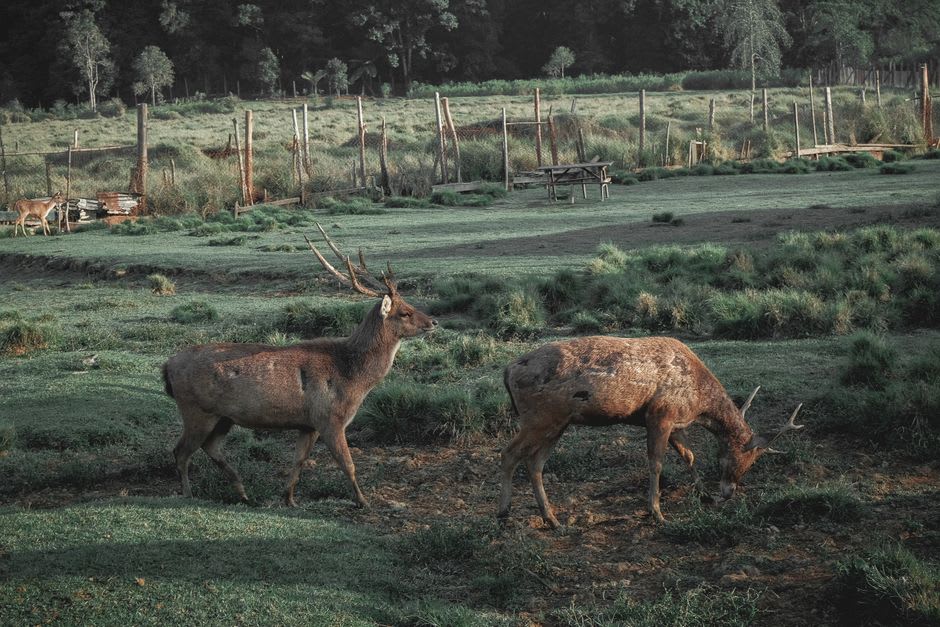
Kanha’s proudest achievement isn’t its tigers, though it has plenty — it’s the barasingha, the swamp deer with the elaborately branched antlers that give it its name, which means “twelve-tined” in Hindi. By the early 1970s, hunting and habitat loss had reduced Kanha’s barasingha population to somewhere around twenty-nine individuals, a number so low that extinction in this part of India looked essentially certain. What followed was one of Indian conservation’s genuine success stories: forest officials fenced off breeding enclosures, restored the moist meadow habitat the deer depend on, and rebuilt the population slowly enough that by the time I visited, the current estimate sat well over a thousand animals, spread across Kanha’s meadows in herds you can watch grazing undisturbed at dusk. I sat in the jeep one evening watching a stag with a full rack of antlers move through waist-high grass, backlit by a sun going down orange behind the sal line, and it struck me as one of the few times I’d seen a conservation statistic turn, in front of me, into something that actually felt like a miracle rather than a number in a report.
The park’s core zone is enormous, and unlike Bandhavgarh’s tighter geography, tiger sightings here take patience — I went three drives before I saw one, a young male lounging half-hidden in bamboo, entirely unbothered by the three jeeps that had gathered at a respectful distance to watch him do essentially nothing for twenty minutes. It was, somehow, still the highlight of my week.
When to go: February to April for the best combination of dry meadows, active wildlife, and manageable heat; the park closes entirely from July through mid-October for the monsoon.