Kalimpong
"Darjeeling's quieter cousin -- fewer tour buses, same mountain, more room to breathe."
A former Himalayan trade-route town near Darjeeling, quieter and less touristed, where Buddhist monasteries, flower nurseries, and Kanchenjunga views feel unhurried.
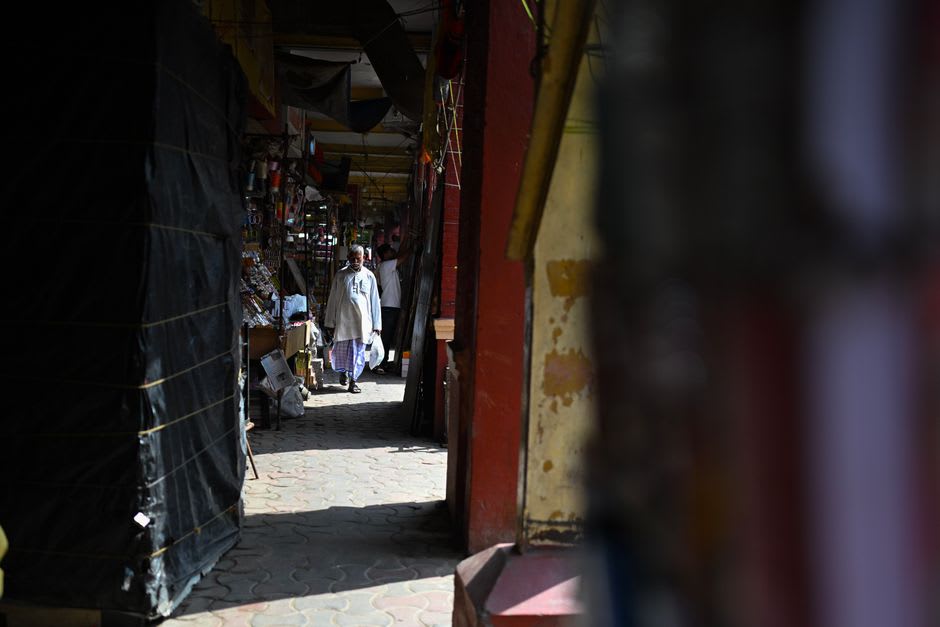
I came to Kalimpong from Darjeeling on a shared jeep that dropped steeply through pine forest and terraced fields before climbing back up to the ridge where the town sits, and the difference was immediate. Darjeeling had felt, by that point in my trip, pleasantly crowded — viewpoints with queues, tea shops with waitlists. Kalimpong had none of that. The main market street was busy with locals rather than tourists, buffalo-milk sweet shops next to hardware stores, and nobody was selling me anything I hadn’t asked for.
The town’s history is really a history of trade. For over a century, Kalimpong was the last major staging post on the mule and yak-caravan route between India and Tibet, and wool, salt, and Tibetan goods moved through its market en route to Kolkata’s ports before the 1962 war with China sealed the border and the trade dried up almost overnight. Older residents I spoke with — a guesthouse owner whose grandfather had run a caravanserai — still described the town with a faint nostalgia for that mercantile bustle, even secondhand, even from people too young to have seen it themselves.
Monasteries, Orchids, and a Different Angle on Kanchenjunga
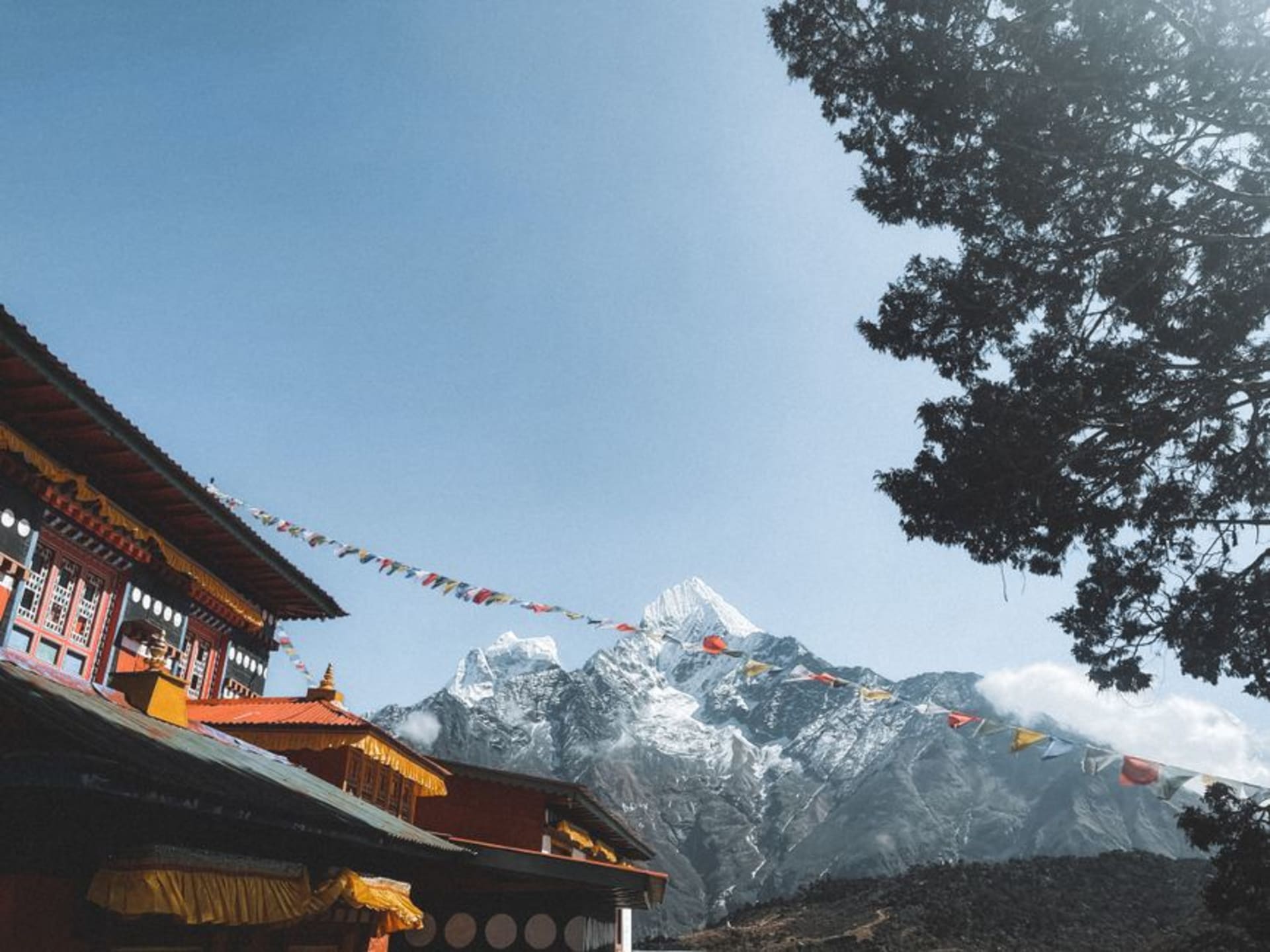
That Tibetan connection lingers most visibly in the town’s monasteries. Zang Dhok Palri Phodang, built in the 1970s to house relics brought out of Tibet, sits on a hilltop wrapped in prayer flags, its interior murals bright with the wrathful and peaceful deities of Vajrayana Buddhism, and I sat in on part of a morning chanting session with two young monks who seemed entirely unbothered by my presence. Durpin Monastery, older and more weathered, offers one of the clearest unobstructed views of Kanchenjunga in the region — a different angle than Darjeeling’s Tiger Hill, closer and somehow more intimate, the mountain filling less of the frame but feeling nearer.
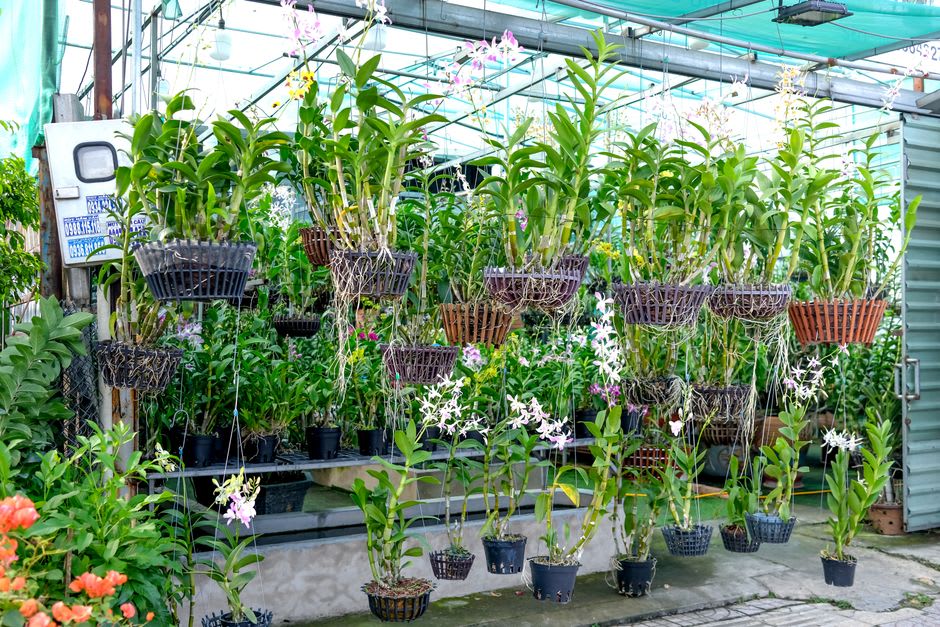
Kalimpong is also, improbably, one of India’s floriculture centers — its cool climate and rich soil support nurseries that export orchids, gladioli, and cacti across the country, and wandering through a family-run nursery on the edge of town, greenhouse after greenhouse of orchids in colors I didn’t know orchids came in, was one of the most unexpectedly delightful hours of my whole Himalayan trip.
When to go: October to December for the clearest mountain views after the monsoon clears. March to April brings flowering rhododendrons if you time it with the nurseries in bloom.