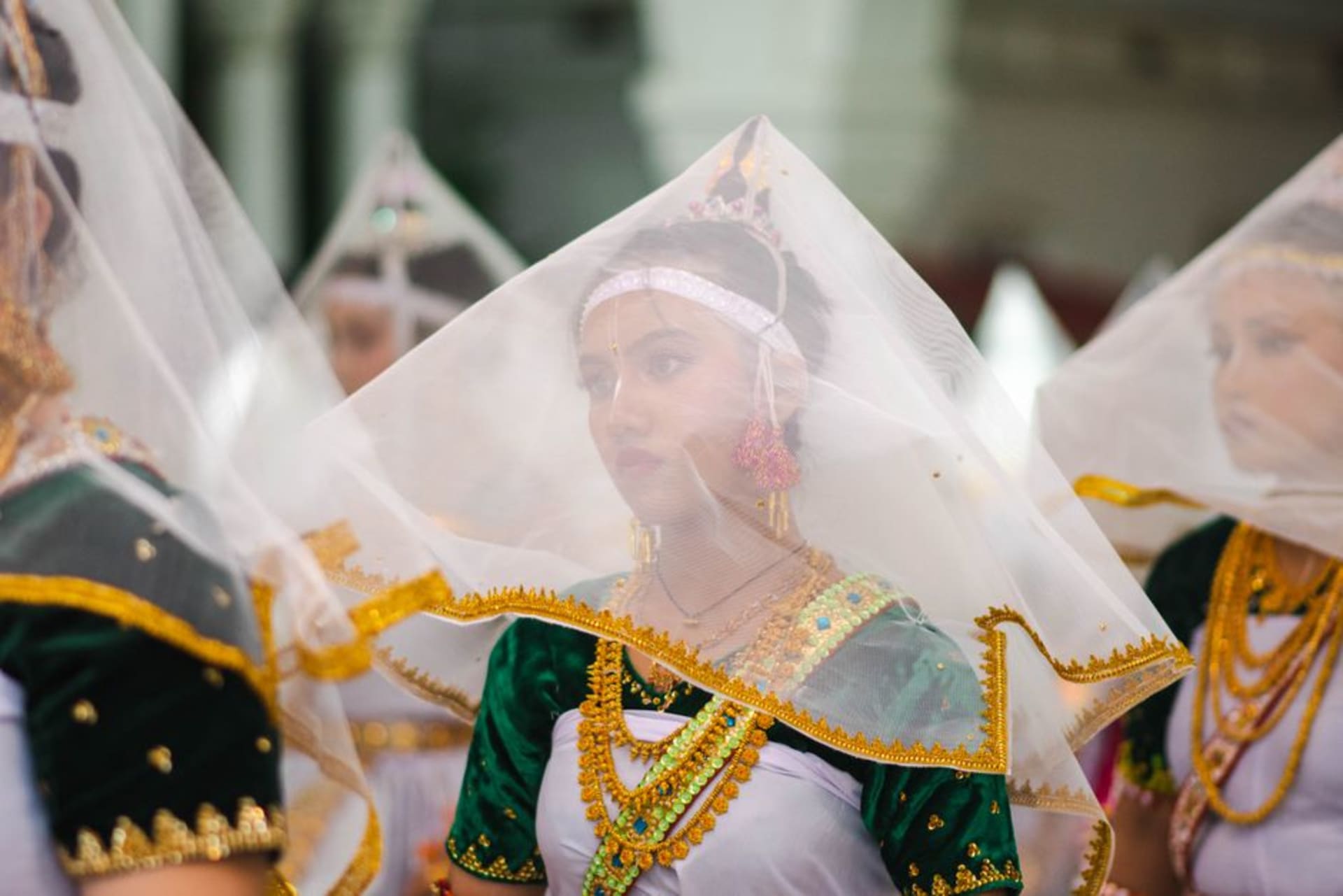
Imphal
"Every stall in this market -- thousands of them -- is run by a woman, and has been for longer than anyone can date."
Manipur's capital, home to a market run entirely by women for generations and the floating reed islands of Loktak Lake just beyond its edges.
I hadn’t planned much time in Imphal — most travelers treat it as a stopover before or after Loktak Lake — but Ima Keithel changed that within the first hour. The name translates roughly to “Mother’s Market,” and it is exactly what it says: a multi-storey market of an estimated four to five thousand stalls, every single one run by a woman, a tradition that oral history traces back centuries, possibly to periods when Manipuri men were away on military duty or forced labor and women took over trade to keep the local economy running. Whatever the exact origin, the practice never reverted. It is still, today, illegal by community custom for a man to run a stall inside.
I wandered the fish and vegetable section first, then up to the floor selling handwoven Manipuri textiles — the phanek sarongs in deep maroons and blacks with their woven borders, moirang phee cloth — and the women running these stalls talked business in rapid Meiteilon while sizing me up for a tourist markup with the same instinct market vendors anywhere in the world have. I bought a length of cloth from a woman who’d inherited her stall from her mother, who’d inherited it from hers, and who told me, through a bit of English and a lot of pointing, that her daughter would take it over next.
Kangla Fort and the lake that isn’t quite land or water
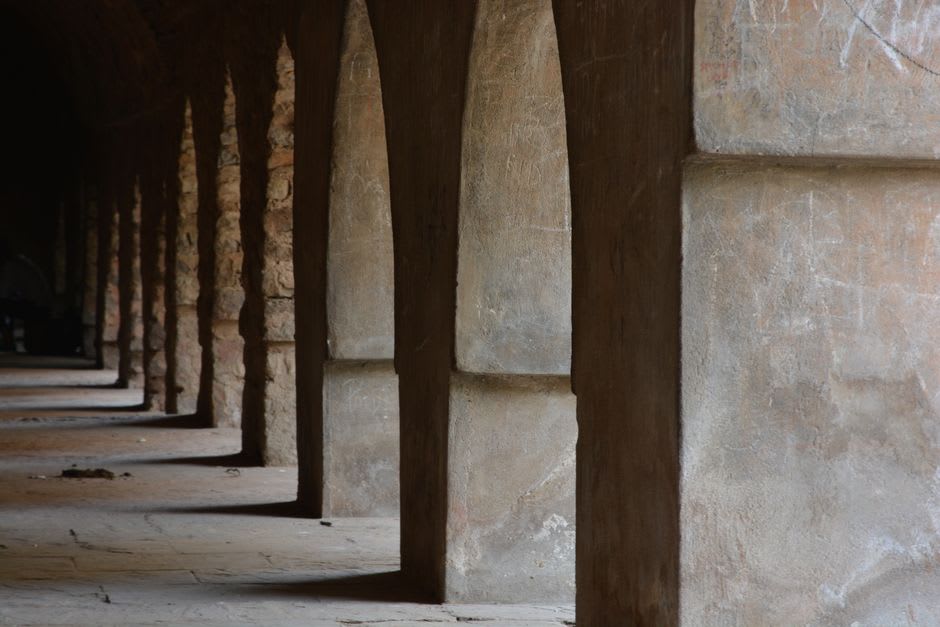
Kangla Fort sits near the city center on the banks of the Imphal River, the historic seat of Manipur’s kings for centuries and a site sacred to Meitei tradition — it’s associated with the founding of the Ningthouja dynasty and held as the original home of Manipur’s tutelary deities. The fort was occupied by the Indian Army for decades after independence and only handed back to civilian control in 2004, and walking its grounds today — moats, remnants of palace structures, a coronation ground — carries a weight of recent political history alongside the ancient.
An hour’s drive south of the city, Loktak Lake is the largest freshwater lake in northeast India and unlike any lake I’d seen — its surface dotted with phumdis, floating masses of vegetation, soil, and organic matter thick enough to walk on, some large enough to support entire fishing villages built directly on top of them. I took a boat out at dawn among the Loktak fishermen, who ring their nets around individual phumdis to trap fish beneath, a fishing method found nowhere else. Keibul Lamjao, a national park built entirely on phumdis within the lake, is the last natural habitat of the endangered sangai, Manipur’s brow-antlered deer, and I spotted a small group of them picking through reeds at a distance, hooves adapted to a marsh floor that would swallow a normal deer.
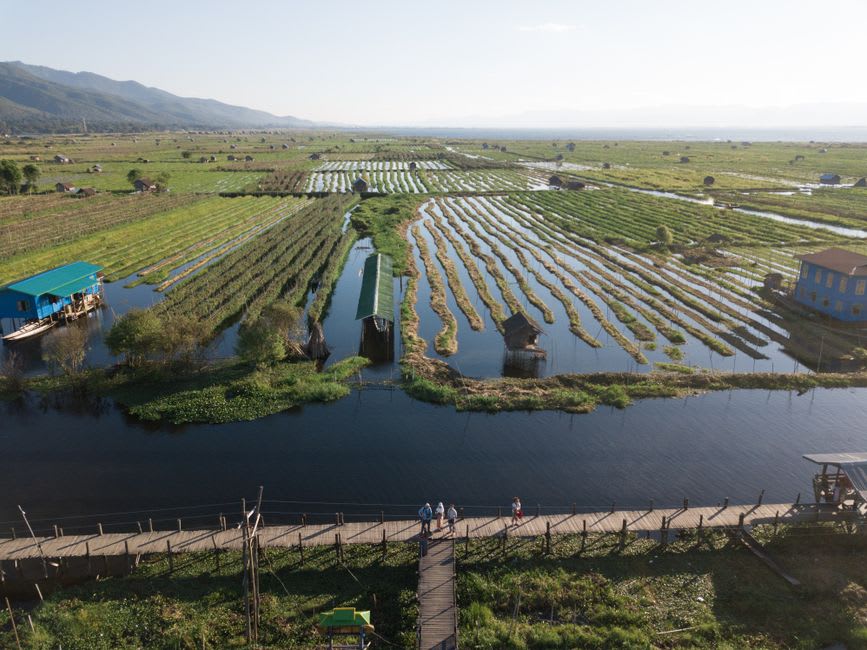
When to go: October to March for cool, dry weather and the clearest views across Loktak Lake. Check current travel advisories before visiting, as Manipur has periodically experienced ethnic unrest in recent years that can affect access.