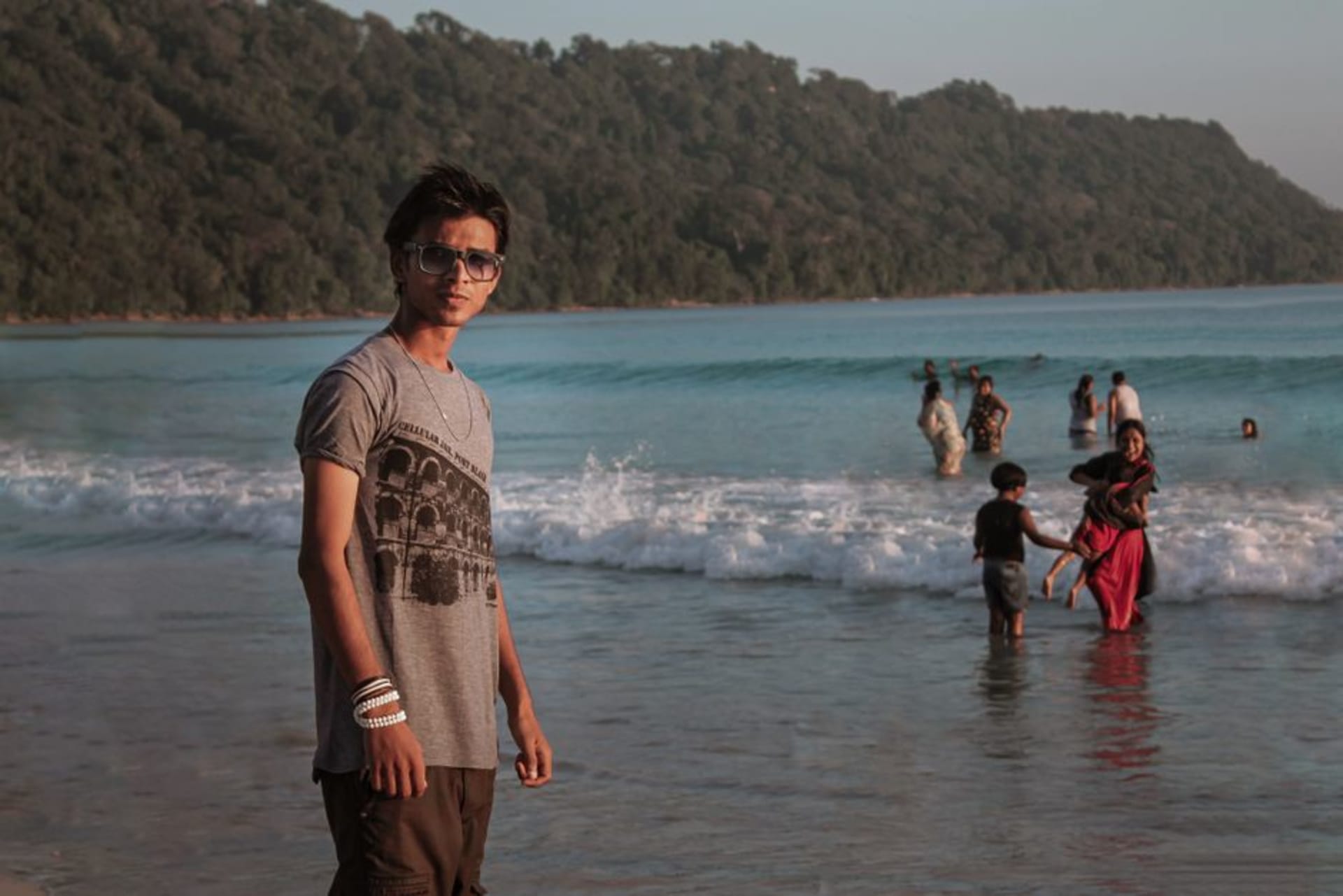
Swaraj Dweep to give it its official name, home to Radhanagar Beach's talcum-fine sand and a night sea that glows blue when you disturb it with a paddle.
The ferry from Port Blair to Havelock takes about two hours across open water, and I spent most of it on the upper deck getting steadily more sunburned while a group of Indian honeymooners next to me debated, loudly and with great conviction, whether Radhanagar Beach really deserved its reputation as one of Asia’s best. By the time we docked I’d heard the argument three times over, and by the time I actually stood on Radhanagar’s sand that evening, watching the sun go down in a long orange smear over water that shifted from turquoise to navy in bands, I understood why the argument never really resolves in the beach’s disfavor. The sand is fine and pale, the water shallow for a long way out, and the tree line behind the beach is dense enough that the whole thing feels carved out of jungle rather than built next to it.
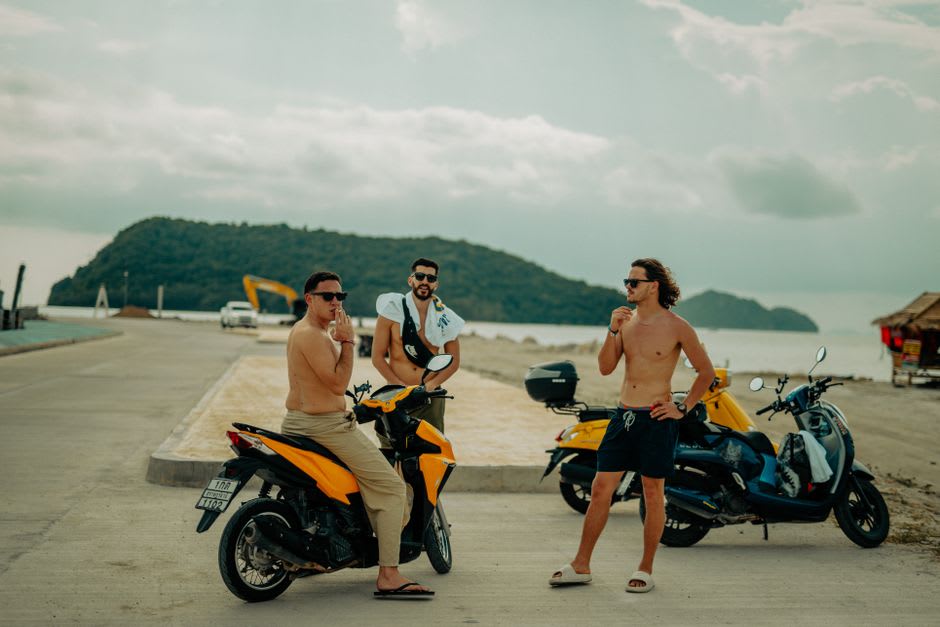
Havelock — officially renamed Swaraj Dweep in 2018 as part of a government effort to strip colonial names from the archipelago, though almost everyone, locals included, still calls it Havelock out of habit — is the most developed of the outer islands, which in practice means a scattering of beach shacks, dive shops, and a handful of proper resorts rather than anything resembling a skyline. I rented a scooter for the week and rode the single main road between beach numbers, past cashew plantations and the occasional monitor lizard crossing unhurried in front of my wheel.
Snorkeling at Elephant Beach, and the sea that lights up
Elephant Beach, reachable by a muddy forest trail or a quick boat ride, is where I did my first proper snorkeling of the trip — a shallow reef a short swim from shore, dense with parrotfish and the occasional reef shark cruising past at a professionally disinterested distance. The coral here took a hit from the 2004 tsunami and again from bleaching events since, and it shows in patches, but enough of it has recovered that an afternoon with a mask and fins still felt like a genuine reveal.
The stranger experience came at night. A local guide took a small group of us out in kayaks after dark to a bay known for bioluminescent plankton, and the first time I dragged my paddle through the black water and watched a trail of cold blue light bloom and fade behind it, I actually laughed out loud — it felt like something I’d only seen faked in a film. The plankton glow when disturbed, a defense mechanism against predators that has, through some cosmic joke, turned into one of the most photographed party tricks in the Andamans. We cut the engines, sat in silence, and dipped our hands in the water just to watch our fingers trail light.
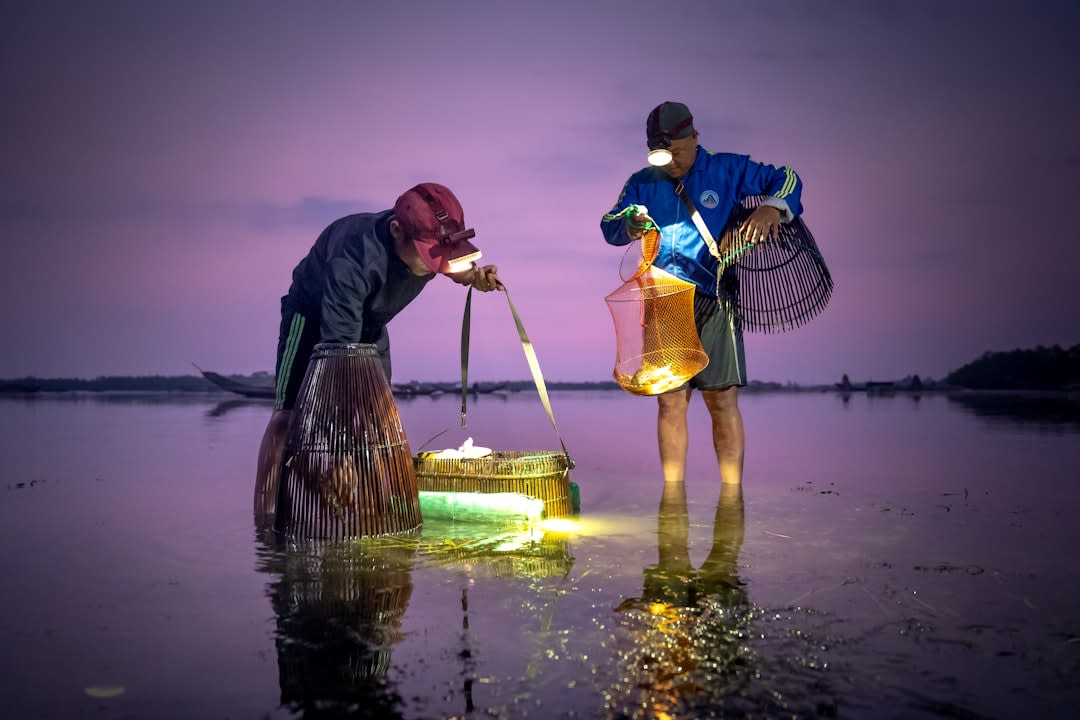
When to go: December to April for calm seas, good visibility, and the bioluminescence at its most reliable on moonless nights — book the night kayak tour around the new moon for the best show.