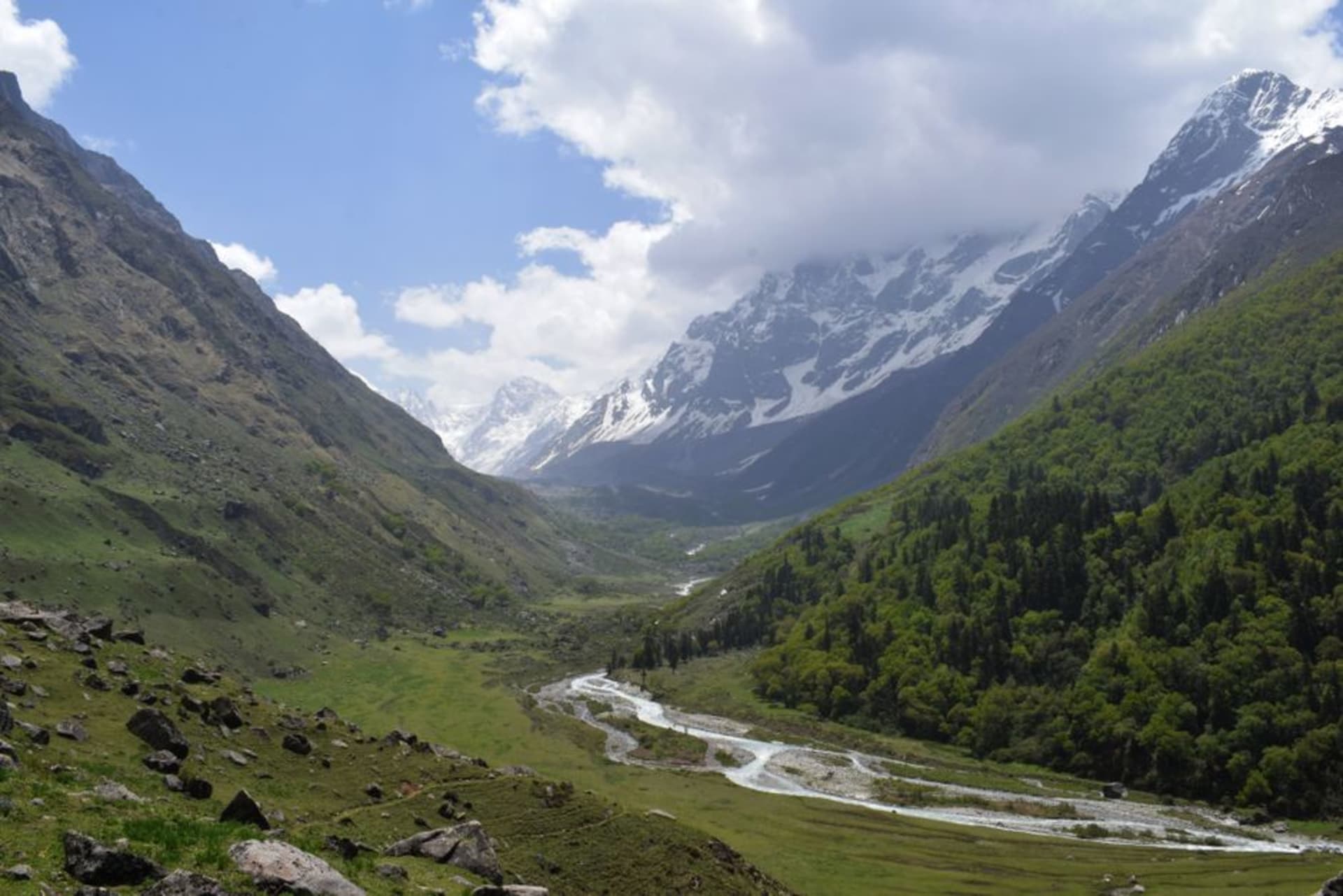
Har Ki Dun
"The trek where a village elder told me his ancestors watched the Pandavas walk past on their way to heaven."
A cradle-shaped valley in the Garhwal Himalaya, nicknamed the valley of the gods, where a village of wooden houses still tells its own Mahabharata.
The trailhead for Har Ki Dun starts at Sankri, a small Garhwal village a bone-rattling ten-hour drive from Dehradun, and by the time I arrived my legs had already done a day’s work just sitting in the jeep. The trek itself takes three to four days round-trip, climbing gradually through pine and deodar forest before the valley opens into the cradle shape that gives Har Ki Dun its name — “valley of the gods,” a bowl of green meadow ringed by the Swargarohini peaks, whose name translates to “the ascent to heaven.” According to local legend, this is the route the Pandava brothers took at the end of the Mahabharata, walking toward the afterlife, and the mountains have carried that name and story for as long as anyone in the valley can remember.
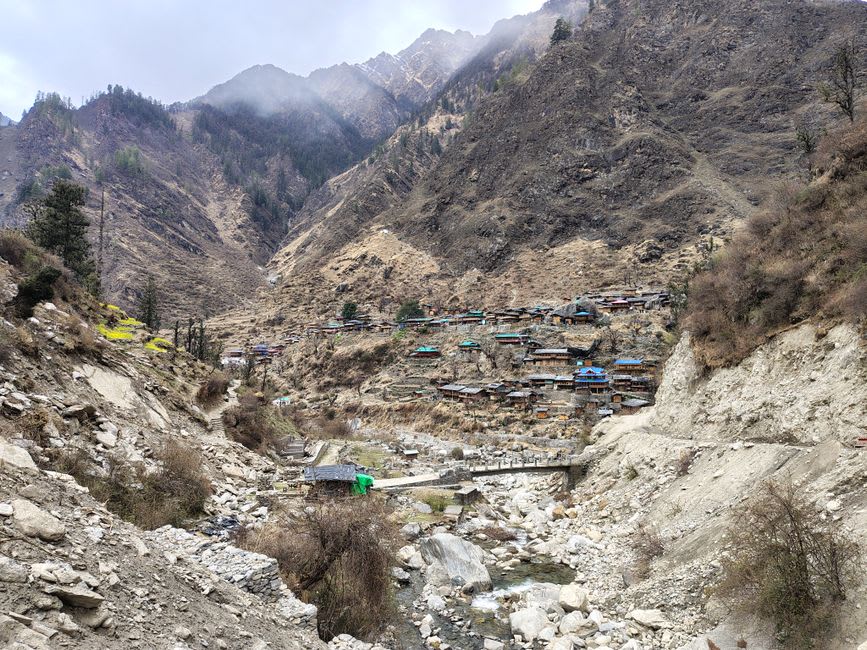
Osla and its wooden houses
Osla village, about a day’s walk in, is where the trek stops being just scenery and starts being a place people actually live. The houses are built entirely of timber and slate in a style found almost nowhere else in the Himalaya, tiered wooden balconies stacked one over another, the whole structure looking like it was assembled by someone who distrusted nails. I stayed a night in a homestay there, and the family’s grandfather, after several rounds of a local wheat spirit, explained that the village worships Duryodhana — the Mahabharata’s antagonist elsewhere in India — as a local deity, on the theory that a villain shown some kindness on his way through these mountains might reciprocate with protection. It’s a detail found almost nowhere in Indian religious tradition outside this one pocket of Uttarakhand, and it reframed the whole epic for me on the spot.
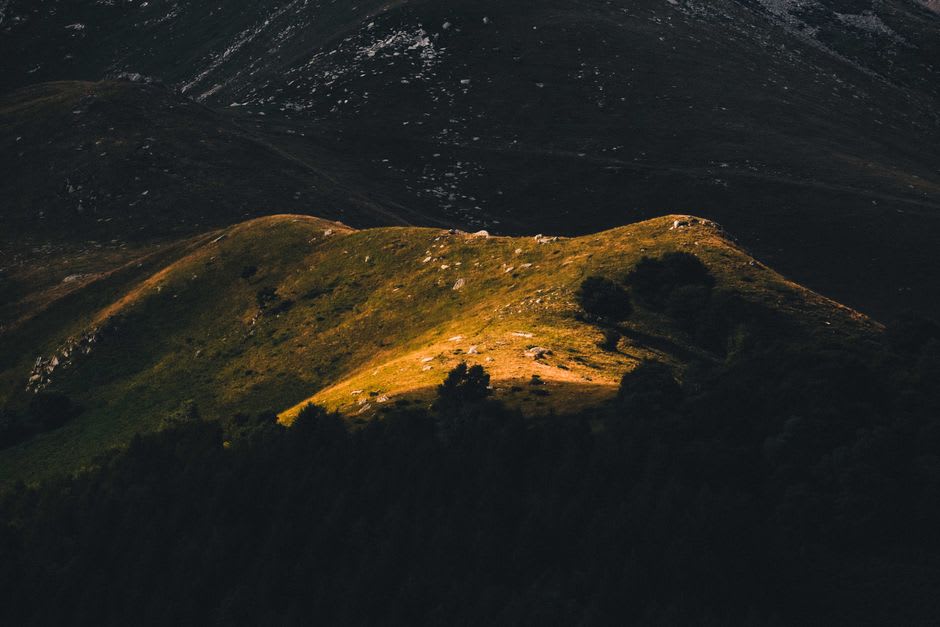
The final push to Har Ki Dun meadow itself is a slow, steady climb along a ridge with the Jaundhar glacier visible in the distance, and I arrived in the late afternoon to find the whole valley lit gold, a shepherd’s flock of bharal, the Himalayan blue sheep, grazing on a slope above the meadow, entirely unbothered by my presence. I sat there until the cold pushed me back toward camp, watching the light retreat up the peaks the way it does at altitude — fast, and then all at once gone.
When to go: May to June and September to October are the clearest windows, with wildflowers carpeting the meadow in late spring and stable trails after the monsoon clears out in autumn.