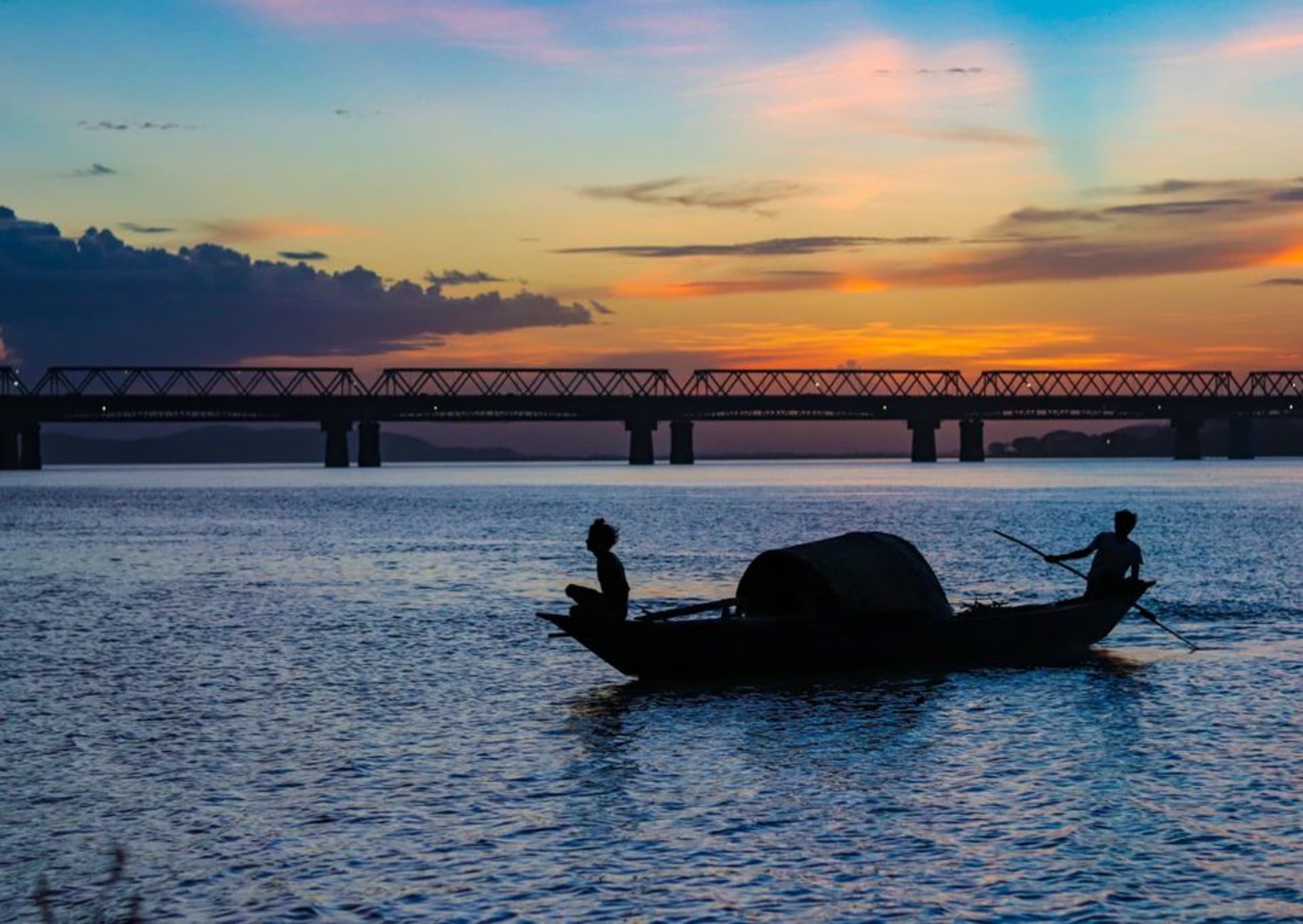
Guwahati
"Every other Indian river I'd seen felt tame next to the Brahmaputra at Guwahati -- this one still looks capable of anything."
Assam's riverside gateway on the Brahmaputra, home to a blood-sacrifice temple of ferocious devotion and an island shrine you reach by rowboat.
I’d read about the Brahmaputra for years before I actually stood on its bank in Guwahati, and no photograph had prepared me for the scale of it. This isn’t a river you look across so much as a river you look at like a sea — over ten kilometers wide in places downstream, a slow brown expanse carrying more water than the Nile, moving with a weight that felt almost geological. Guwahati sits on its south bank as the de facto capital of India’s northeast, the transit hub every traveler heading toward Meghalaya, Arunachal Pradesh, or Nagaland passes through, and it would be easy to treat it as a mere layover. That would be a mistake.
Kamakhya and the ferocity of Shakti worship
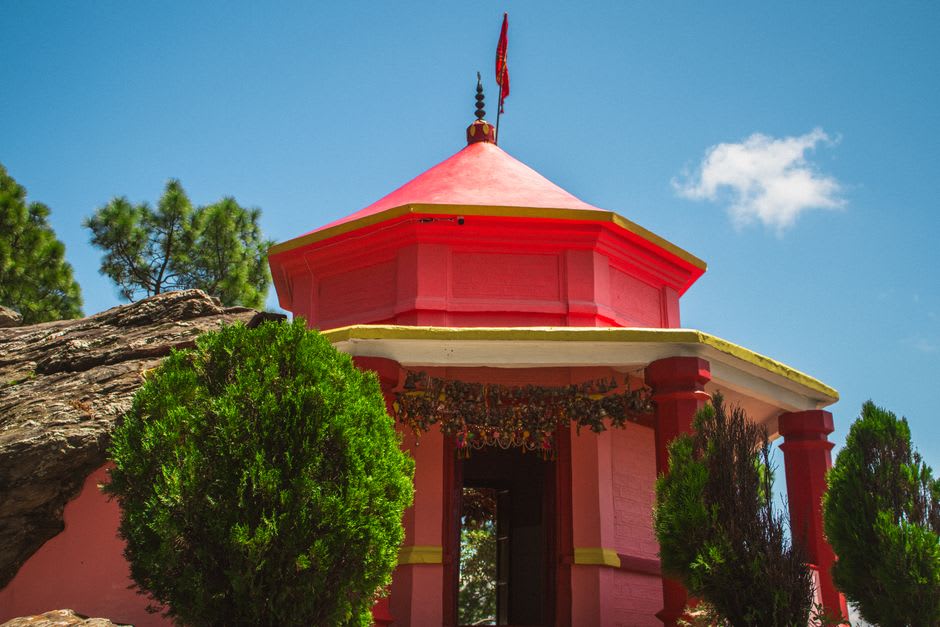
Kamakhya Temple sits on Nilachal Hill above the city, and it is unlike any temple I visited anywhere else in India. It’s one of the 51 Shakti Peethas — sites across the subcontinent said to mark where parts of the goddess Sati’s body fell after Shiva carried her corpse in grief — and the specific body part associated with Kamakhya is the yoni, making this a center of tantric and Shakti worship built around fertility and creative power rather than the more familiar iconography I’d seen elsewhere. The temple has no idol in the conventional sense; the inner sanctum holds a natural rock cleft, kept perpetually moist by an underground spring, that pilgrims descend narrow stone steps to touch in darkness lit only by oil lamps. Animal sacrifice — goats, mostly — still happens here daily, a practice most of Hindu India has moved away from but that Kamakhya maintains without apology, and I watched a queue of pilgrims move with a focused, unshowy intensity I hadn’t felt at any of the more photogenic temples further south.
Down at the riverfront, I hired a rowboat from the ghat near Uzan Bazaar to cross to Umananda, a small island in the middle of the Brahmaputra holding a Shiva temple built in 1694 by the Ahom king Gadadhar Singha. It’s sometimes billed as the smallest inhabited river island in the world, and the boat ride out — maybe ten minutes, the boatman rowing steadily against a current that pulled harder than I expected — felt like its own small pilgrimage. The island is also, unexpectedly, one of the last habitats of the golden langur, and I watched a troop of them move through the temple’s trees while incense drifted up from the shrine below.
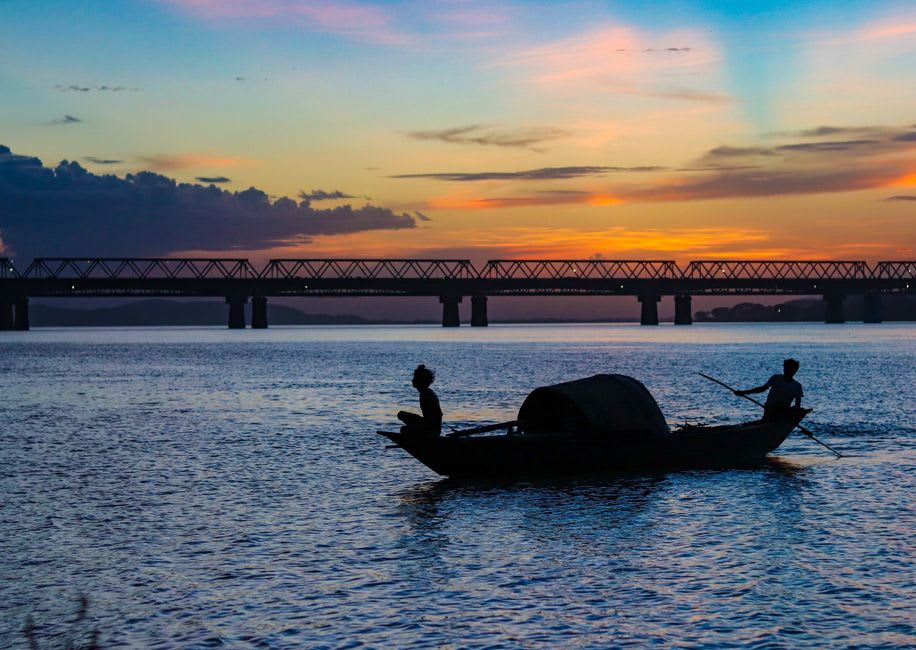
Evenings here belong to the river. I sat at a chai stall along the Brahmaputra promenade as the sun dropped behind Umananda’s silhouette, fishing boats coming in for the night, and understood why every Assamese person I met talked about “the river” the way people elsewhere talk about a family member.
When to go: October to April for cooler, drier weather and calmer river conditions — the monsoon (June to September) swells the Brahmaputra dramatically and can make the crossing to Umananda genuinely risky.