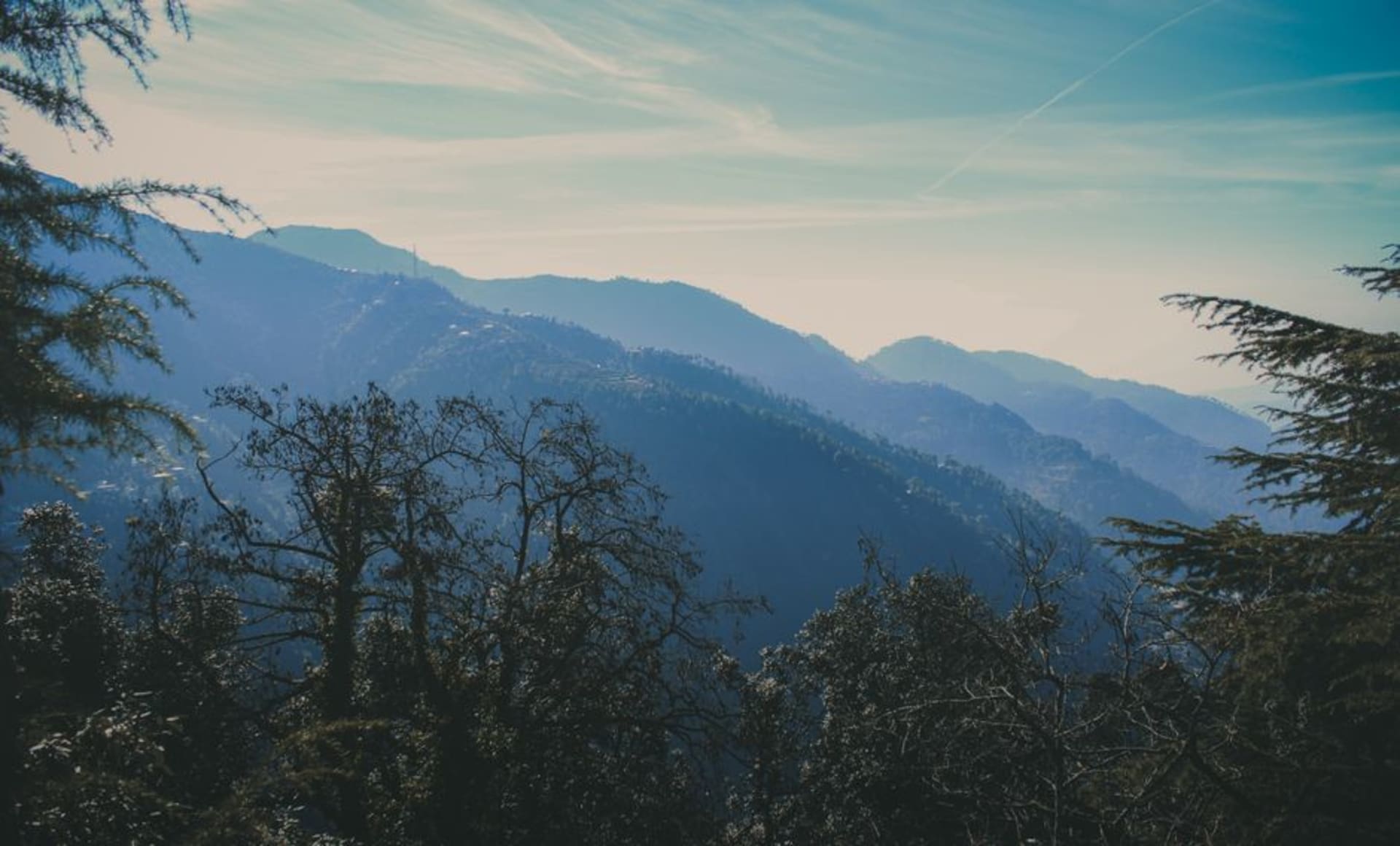
A quiet colonial hill station spread across five hills and named for a British governor-general, where pine and deodar forest have reclaimed most of the old Raj-era bungalows.
Dalhousie is named after Lord Dalhousie, the British governor-general who annexed half of northern India in the 1850s and never actually lived here, which felt like an odd tribute the first time I heard it — a hill station named for a man mostly remembered for expanding an empire, honoring him with the one thing he apparently never used. The town was established in 1854 as a summer retreat for British troops and officials stationed in Punjab, spread across five hills — Kathlog, Potreys, Tehra, Bakrota, and Balun — and it still carries that scattered, low-density feel: colonial bungalows with sloped tin roofs and deep verandas, tucked into pine and deodar forest, connected by winding roads rather than a single walkable centre.
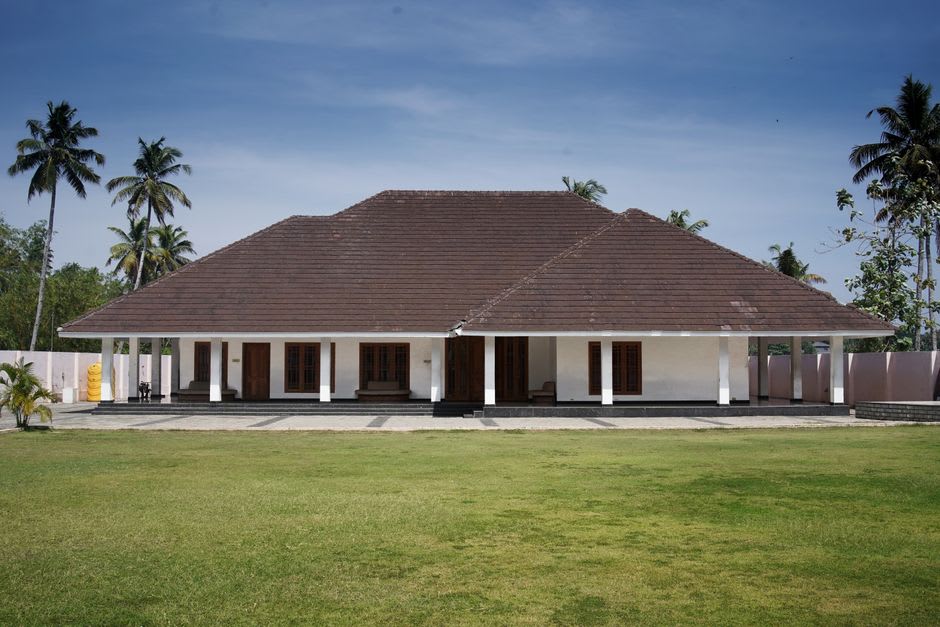
I stayed in a converted colonial guesthouse on Bakrota Hill with a caretaker who’d worked there since the 1980s, and in the evening he brought out an old photo album of the building from the 1960s — barely changed, he pointed out, except the trees had gotten taller and the tin roof had been repainted maybe three times. There is a stillness to Dalhousie that Shimla, its far busier neighbour, lost decades ago. Subhash Baoli, a spring and small memorial where Subhas Chandra Bose reportedly meditated during a stay here, sits in a hushed pine grove that most visitors walk straight past without noticing the plaque.
Panchpula, pine walks, and the road to Khajjiar
The best thing to do in Dalhousie is simply walk it — there’s a network of forest paths connecting the five hills, and I spent a full day wandering from Bakrota down toward Panchpula, a spot named for its five bridges over a mountain stream, where local families were picnicking under the pines and a chai stall owner had set up shop next to the water for what looked like a permanent, decades-long arrangement. St. Francis Church and St. John’s Church, both mid-19th century Anglican buildings with steep slate roofs, sit in the upper town like transplants from an English parish, their graveyards holding the names of British officers and their families who never made it home.
Dalhousie is also the usual jumping-off point for Khajjiar, the meadow-and-lake spot twenty-odd kilometres away that gets marketed — somewhat generously — as the “Mini Switzerland of India.” I’d recommend basing yourself in Dalhousie itself rather than rushing through, because the town’s real appeal is exactly this unhurried, half-forgotten quality: forested hillsides, colonial ghosts, and views west toward the Chamba valley that most itineraries skip entirely.
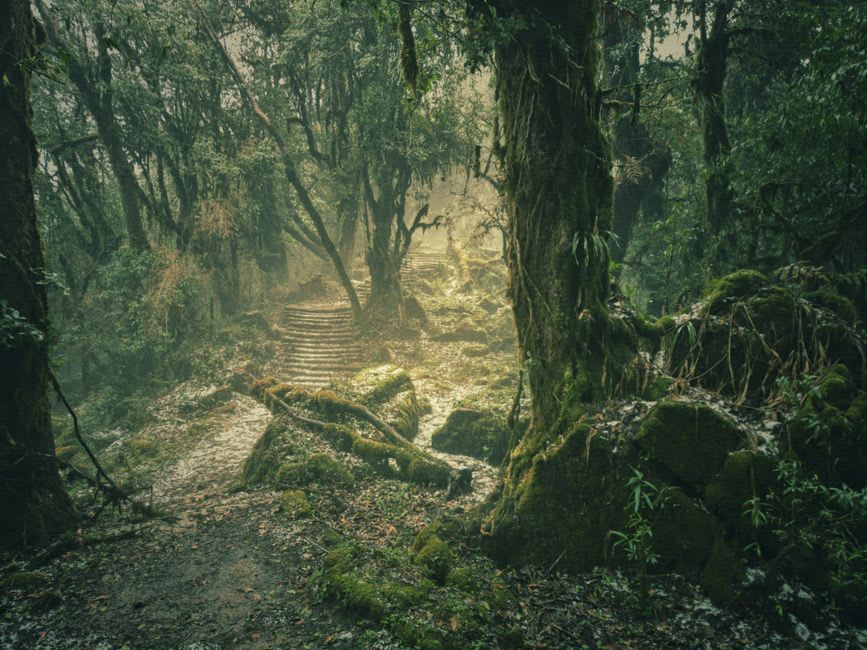
When to go: March to June for pleasant walking weather and clear views, or September to November for crisp autumn air. Snow closes some of the forest paths from December to February, which has its own quiet appeal if you don’t mind the cold.