Chitrakoot
"A pilgrimage town so quiet it made Varanasi feel like a nightclub in comparison."
The forest where the Ramayana says Rama, Sita and Lakshmana lived out part of their exile, straddling two states along a river lined with ghats and quiet devotion.
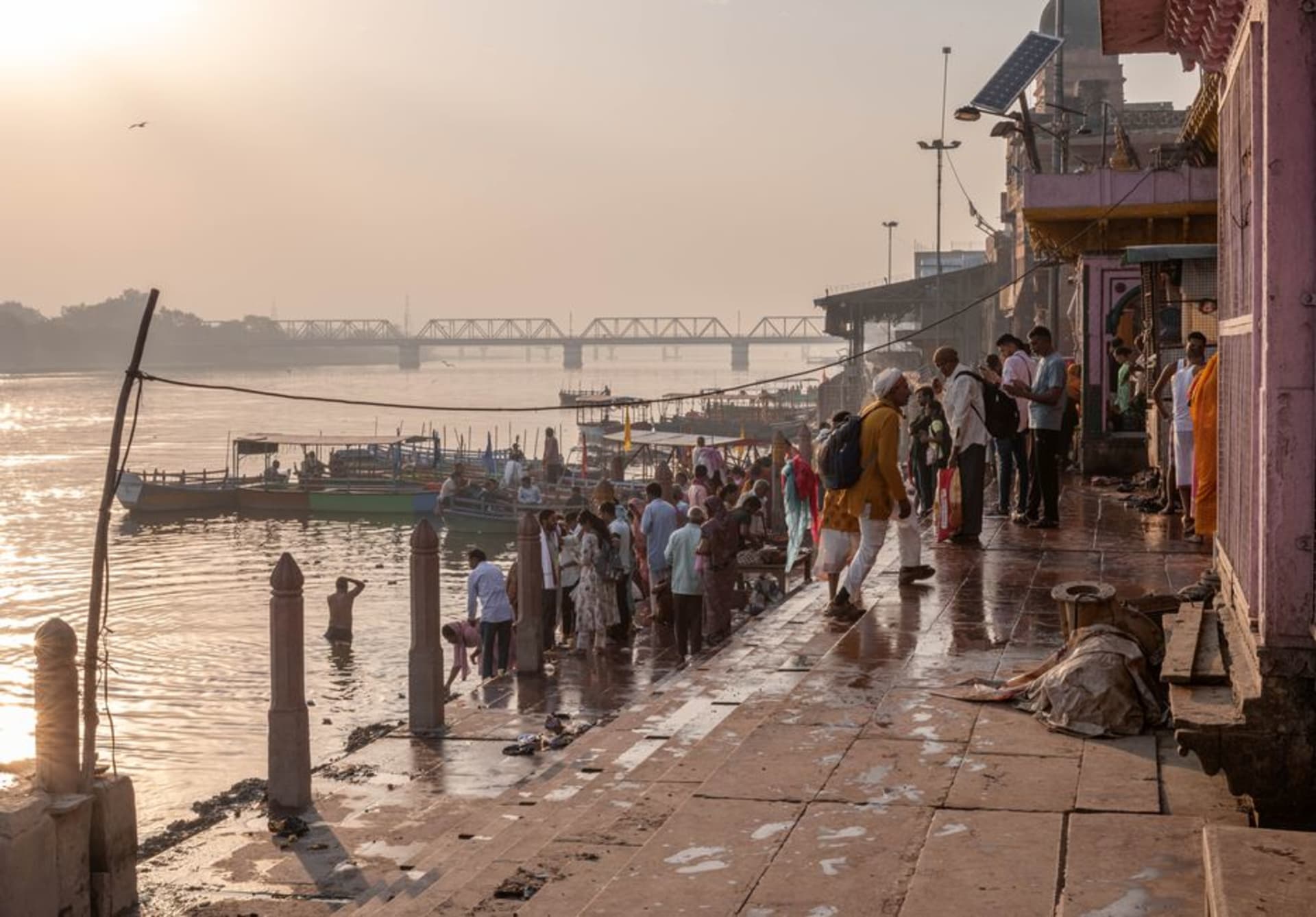
Chitrakoot doesn’t announce itself the way India’s bigger pilgrimage sites do. There’s no dramatic first skyline, no wall of touts working the station exit — just a modest town straddling the border between Uttar Pradesh and Madhya Pradesh, split almost down the middle by an administrative line that locals mostly ignore, all of it built around the slow curve of the Mandakini River. I arrived in the early evening and walked straight down to the ghats, where the crowd was thinner and calmer than any riverside pilgrimage spot I’d been to in India, oil lamps just beginning to appear on the steps as the light went from gold to grey.
According to the Ramayana, this is where Rama, his wife Sita, and his brother Lakshmana spent a significant stretch of their fourteen-year exile from Ayodhya, after Rama’s stepmother Kaikeyi maneuvered him out of his rightful place on the throne. The sage Valmiki’s text describes the trio finding Chitrakoot’s forests peaceful enough to settle for years, and the town today is threaded with sites tied directly to that story — Ramghat, where Rama is said to have bathed daily; Kamadgiri hill, considered so sacred that pilgrims circle its base on foot rather than climbing it, treating the hill itself as a living form of Rama; and Bharat Milap temple, marking the spot where Rama’s brother Bharat is said to have come to beg him to return to Ayodhya and take the throne, an offer Rama refused out of duty to his father’s word.
Circling the hill at dusk
I did the Kamadgiri parikrama — the ritual circumambulation of the hill — one evening, joining a loose stream of pilgrims walking the roughly five-kilometer path around its base, most of them barefoot, some prostrating themselves every few steps in a slower, more demanding version of the same devotion. Monkeys, believed locally to be under Hanuman’s protection given his role in the Ramayana, moved freely along the route, and vendors sold small trays of offerings — flowers, sweets, coconut pieces — for pilgrims to leave at shrines dotted along the way. Nobody hurried me, nobody tried to sell me a guided version of the experience for a fee; it felt like one of the few sacred walks I’ve done in India that hadn’t yet been reshaped around tourism at all.
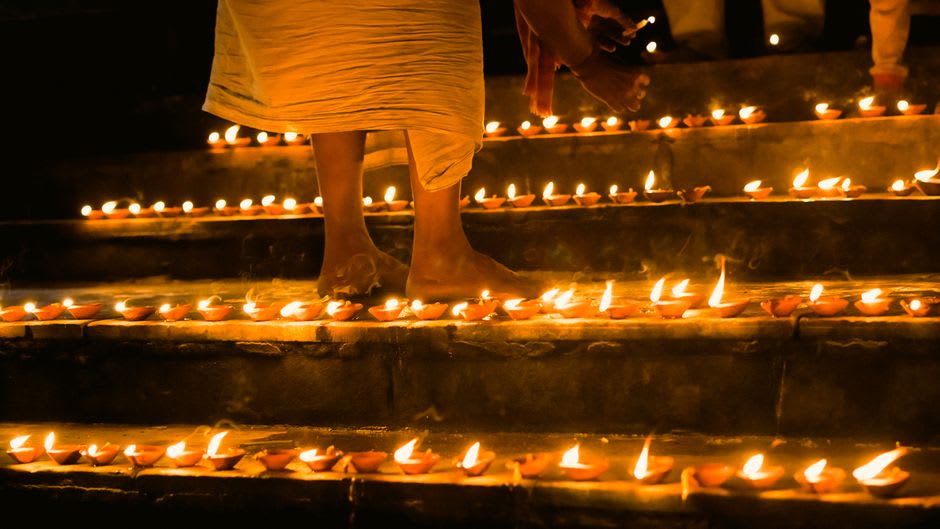
At the ghats after dark, a modest aarti ceremony took place — nothing like the theatrical, amplified spectacle of Varanasi’s Ganga aarti, just a handful of priests with brass lamps, a small crowd of families, and the sound of a single bell carrying out over water that reflected the flames back in long, wavering lines.
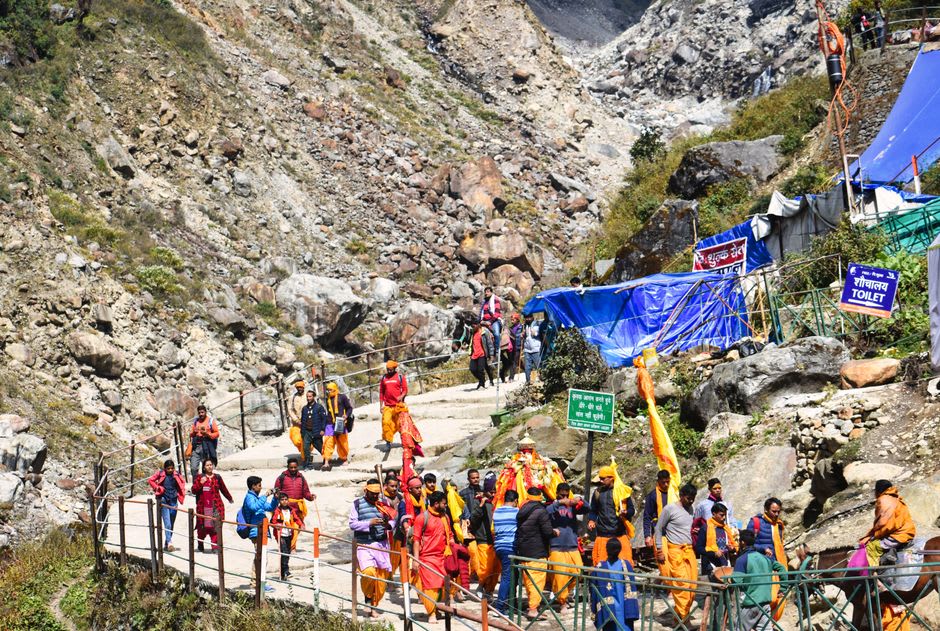
When to go: October to March for cool, comfortable weather; the town swells considerably during Diwali and the Ramnavami festival in spring, when the Rama connection draws pilgrims in far greater numbers.