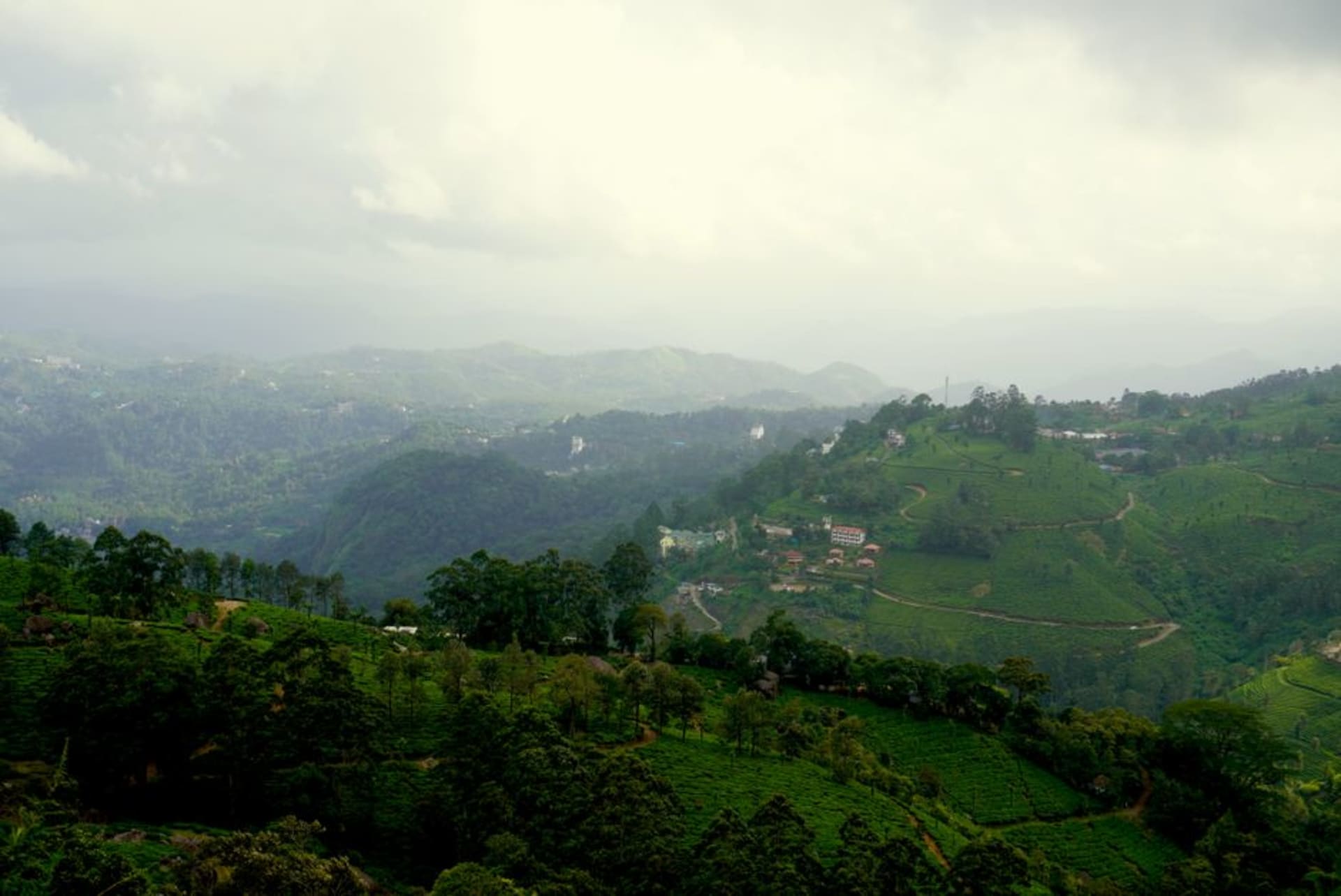
Chikmagalur
"Every cup of Indian filter coffee owes something to this hillside, whether the drinker knows it or not."
The birthplace of Indian coffee, where a Sufi saint's seven smuggled beans became an entire hill-country economy of mist and estates.
The story gets told to every visitor within the first day, usually by whoever is pouring your coffee: in the 1600s, a Sufi saint named Baba Budan smuggled seven coffee beans out of Yemen strapped to his chest, and planted them in the hills above what is now Chikmagalur. Whether every detail of that legend survives scrutiny or not, the hills named after him — the Baba Budangiri range — are where India’s coffee industry genuinely began, and the district still grows a large share of the country’s arabica. I arrived by road from Hassan, climbing steadily into cooler air, and by the time the estates appeared on either side of the road, the temperature had dropped enough that I was glad of a jacket for the first time in weeks in India.
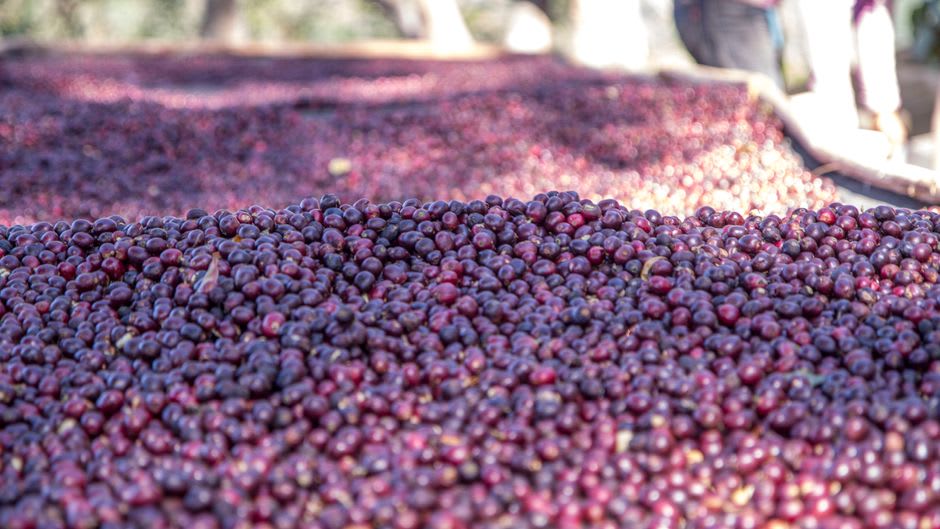
I stayed two nights on a working coffee estate outside town, in a plantation bungalow with a tin roof and a veranda that looked directly onto rows of coffee bushes planted in the dappled shade of silver oak and jackfruit trees — shade-grown coffee has always been the practice here, unlike the sun-grown plantations elsewhere, and it changes both the flavor and the landscape. The estate owner walked me through the rows at dawn, pointing out arabica cherries at different stages of ripeness, red and green side by side on the same branch, and explained that harvest happens by hand, once, sometime between November and February depending on the rain.
Above the Clouds
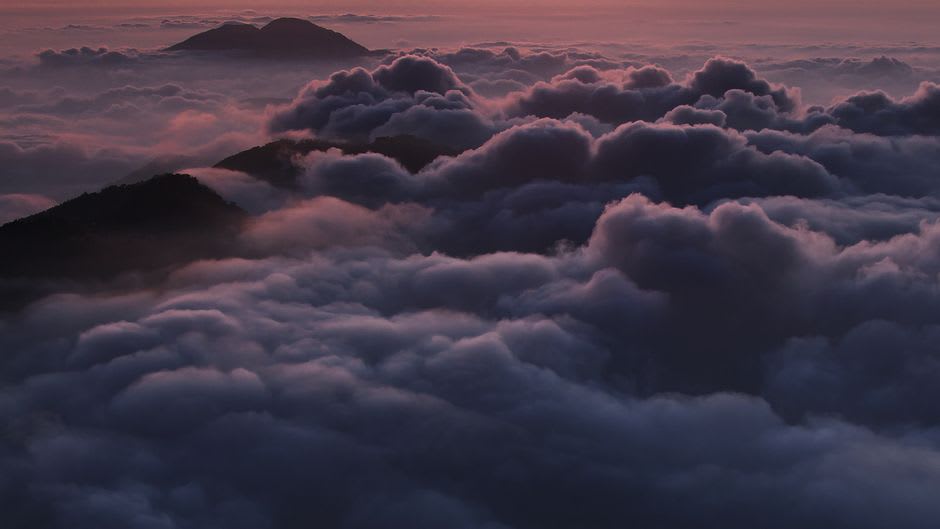
Mullayanagiri, at just over 1,900 meters, is the highest peak in Karnataka, and the drive up switchbacks through grassland and shola forest until the coffee estates disappear below the treeline entirely. I climbed the last stretch on foot before dawn, alongside a small crowd of Bangalore weekenders who had clearly made the same three a.m. decision I had, and reached the summit as the sun came up over a sea of cloud pooling in the valleys below. There is a small Shiva temple at the top, weathered by wind, and for a few minutes nobody spoke — the whole range of the Western Ghats stretched out under a shifting white floor of cloud, with only the highest ridgelines breaking the surface like islands.
The Estate at Dusk
Back at the estate that evening, I sat with the owner’s family on the veranda drinking coffee brewed from cherries picked on that same hillside months earlier, dried on raised beds I’d walked past that morning, roasted in a drum over a wood fire behind the house. It tasted nothing like the instant coffee I’d been drinking in cheaper guesthouses elsewhere in India — darker, heavier, with a bitterness that felt earned rather than industrial. Fireflies came out over the coffee rows as the light dropped, and somewhere below us a dog barked at something in the dark. Nobody moved to turn on a light.
When to go: October to February for cool, clear hill weather and the best chance of catching Mullayanagiri above the cloud line at sunrise. December harvest season brings the estates fully to life with pickers in the rows.