Chettinad
"The Nattukottai Chettiars built like they'd never leave, and then almost all of them left."
A cluster of villages where nineteenth-century merchant dynasties built palatial mansions of Athangudi tiles and Burmese teak, then largely disappeared, leaving the houses half-empty.
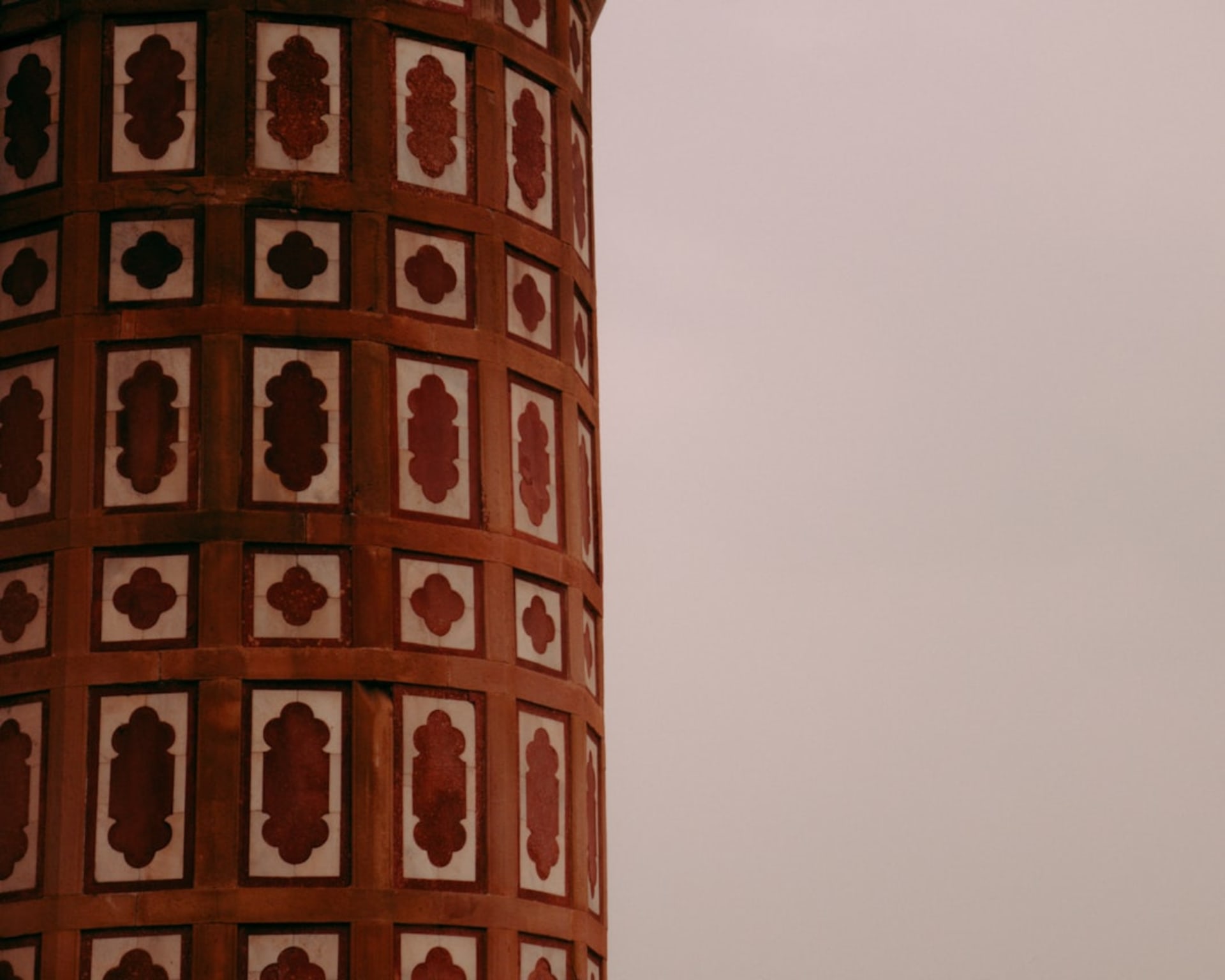
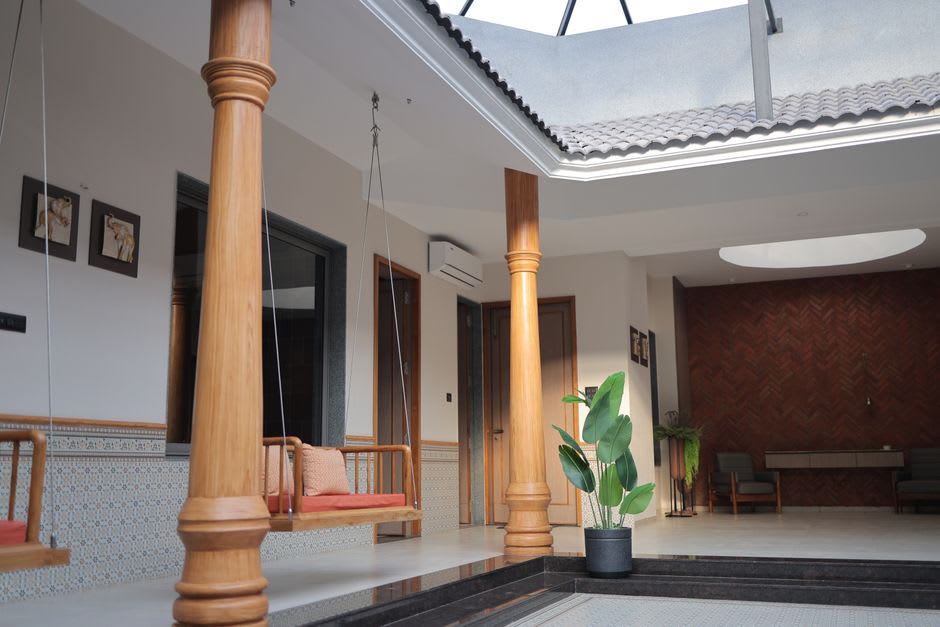
Nothing prepared me for the scale of the first mansion I walked into in Kanadukathan, one of the villages that make up Chettinad. From the outside it was just a long, ochre-colored wall along a dusty lane. Inside, it opened into courtyard after courtyard, each one bigger than the last, floored in patterned Athangudi tiles in colors — mustard, teal, oxblood — that seemed to belong to a different, more confident decade, with teak pillars hauled from Burma standing thirty feet tall and doors carved with a density of detail that took whole years to finish. The family that built it, I was told by the caretaker who let me in for a small fee, hadn’t lived there full-time in decades. Most of the house sat empty, dust settling on furniture nobody had used in a generation.
Merchants Who Built for Eternity, Then Moved On
The Nattukottai Chettiars, or Nagarathars, were a merchant and banking caste who made enormous fortunes trading and lending across colonial Southeast Asia — Burma, Malaya, Ceylon — through the nineteenth and early twentieth centuries, and funneled that money back into their ancestral villages in the form of mansions built to outlast empires. Egyptian marble, Belgian glass, Japanese tiles, teak and satinwood shipped in from across the trading network: nothing local was good enough when you could import the world. Then the fortunes that built these houses moved with the families, first to Chennai and Singapore, later further still, and many of the roughly ten thousand Chettinad mansions across the region now stand fully or partially unoccupied, maintained by a caretaker and opened for a handful of curious visitors like me, or slowly sold off tile by tile to antique dealers when a family finally gives up on the upkeep.
The Cuisine That Outlived the Houses
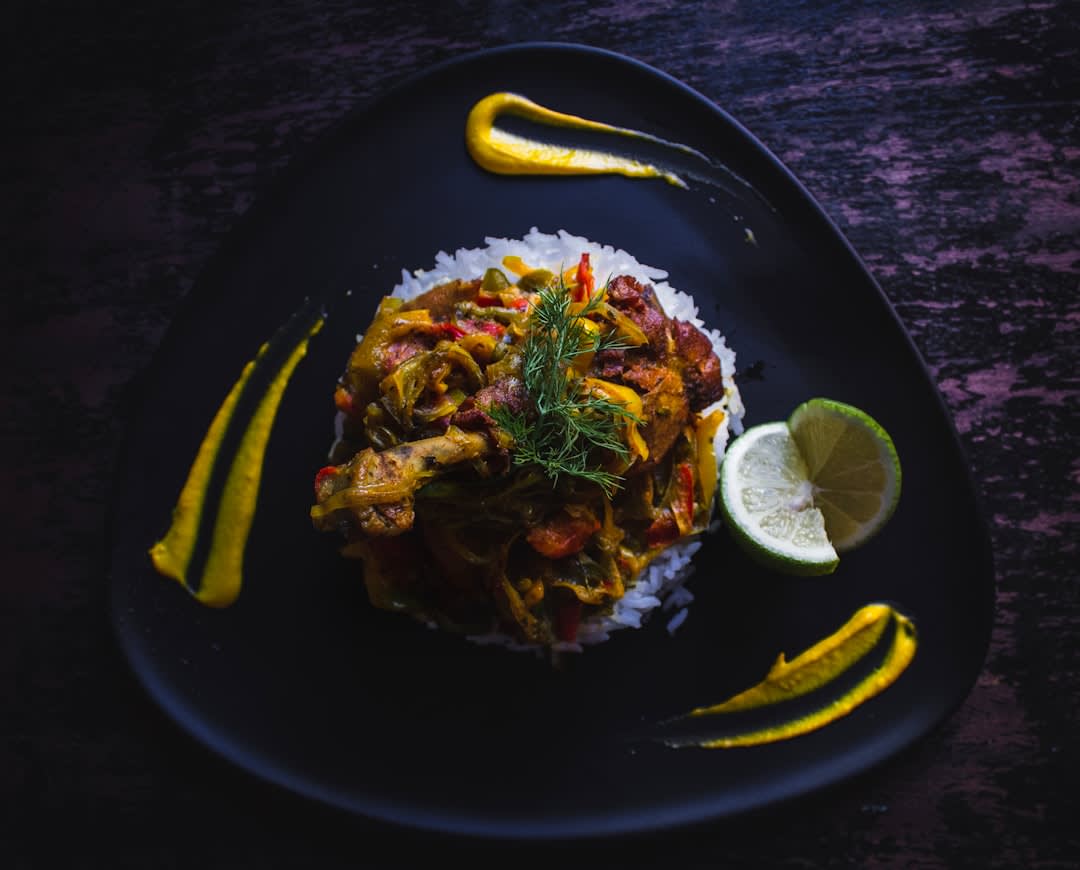
If the architecture is Chettinad’s ghost, the food is very much alive, and it’s some of the most aggressively flavored cooking I’ve had anywhere in India. Chettinad cuisine leans on a distinct masala of roasted and ground spices — star anise, stone flower, dried red chilies toasted until nearly black — that gives dishes like kozhi varuval and the peppery Chettinad chicken curry a heat that builds for a full minute after you swallow rather than hitting immediately. I ate at a small family-run place in Karaikudi where the woman cooking refused to tone down the chili “for the foreigner,” which I respected and then regretted slightly for the next twenty minutes, gulping water that did nothing to help. The trade routes that built those mansions are also, it turns out, why this region’s spice cabinet is so unusually well-stocked.
When to go: November through February, when the heat is manageable enough to walk between villages on foot; many mansions are only opened on request, so plan a visit through a local homestay that can arrange access ahead of time.